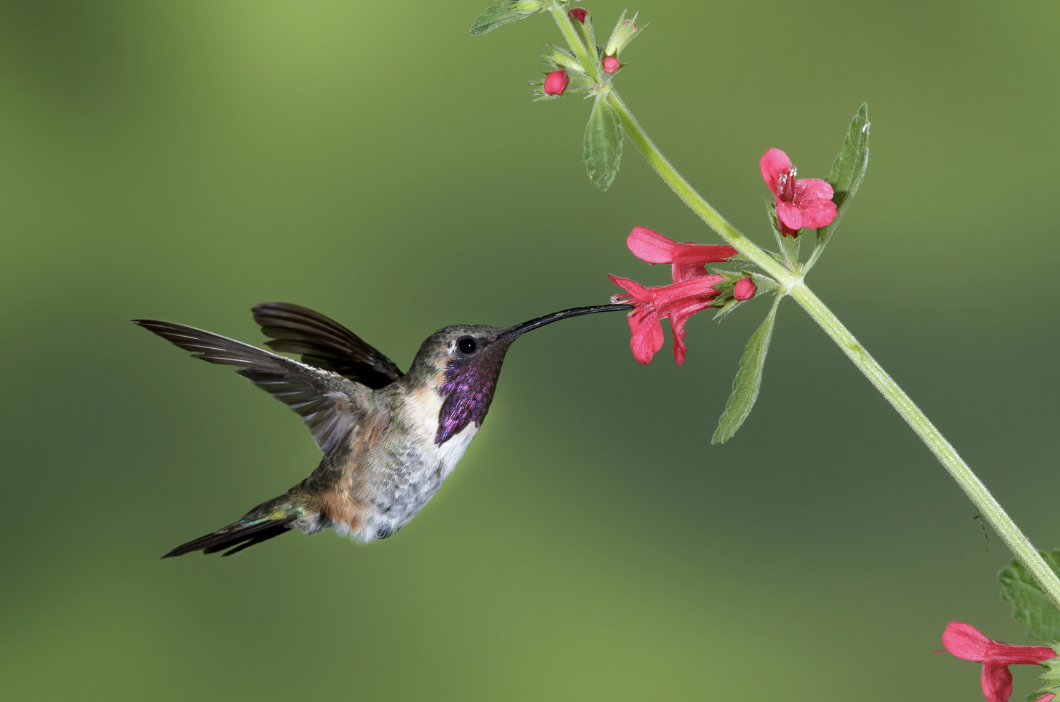
Lucifer Hummingbird
Hummingbirds everywhere you look
A note from Rick: I scouted every stop on this tour myself this fall, and I can’t wait to show you this corner of the country in its best season.
Southeast Arizona is where the United States runs into Mexico, and the birds don’t care about the border. Mountains rise straight out of the desert like islands, each one stacked with its own forests, canyons and specialties. You can start the morning among saguaros and finish it in cool pine forest above 9,000 feet (2,740 m).
August is the secret season. The summer monsoon rolls in, the desert turns green, and birders call it the “second spring.” Grassland sparrows start singing again, Mexican strays wander north, and hummingbird numbers peak. On a good day you can see more than 10 hummingbird species at a single feeder.
You’ll bird with me and an Arizona birding guide who knows where the birds are this week, not last year. Two guides for a small group means more time on every bird, more help with your scope views, and more flexibility to chase whatever shows up.
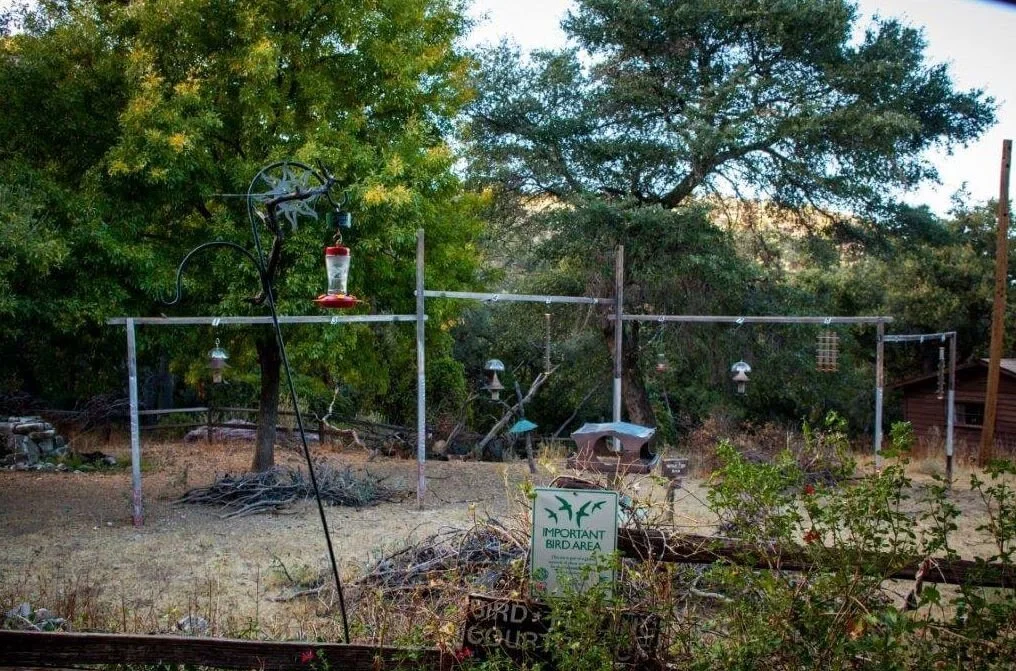
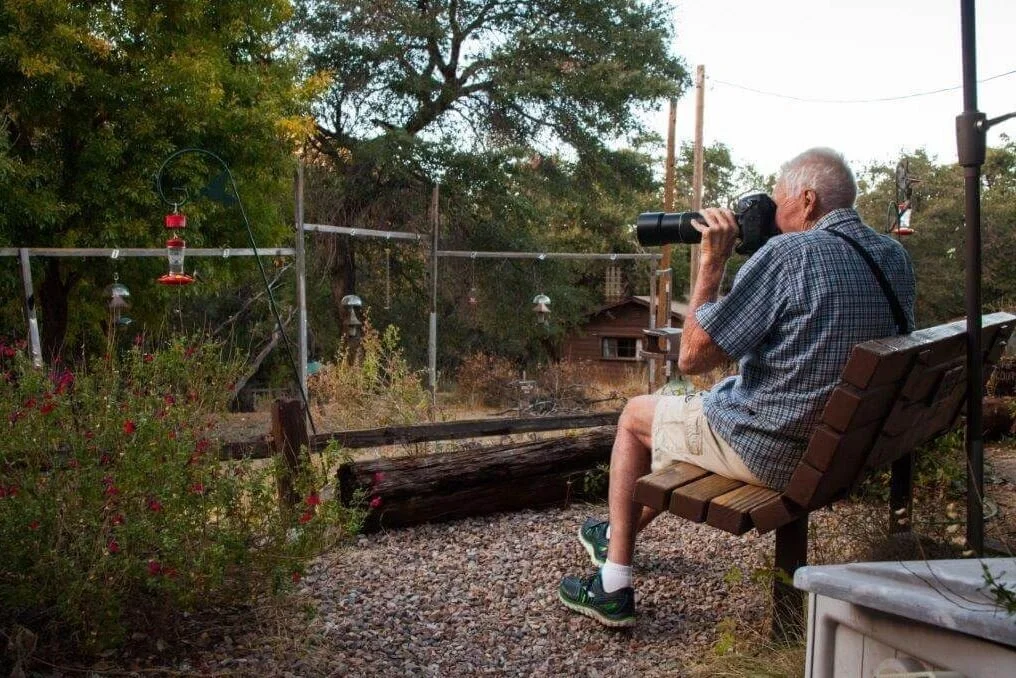
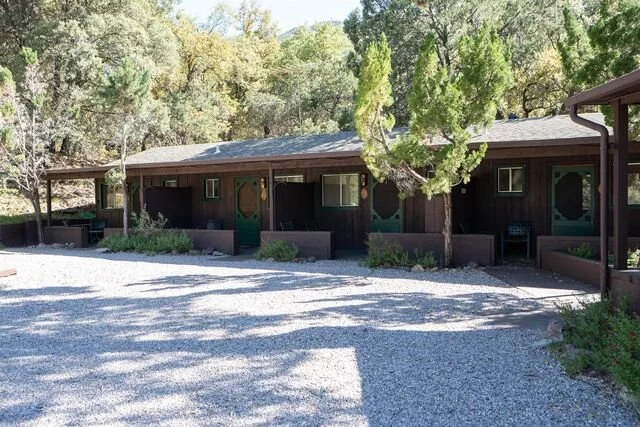
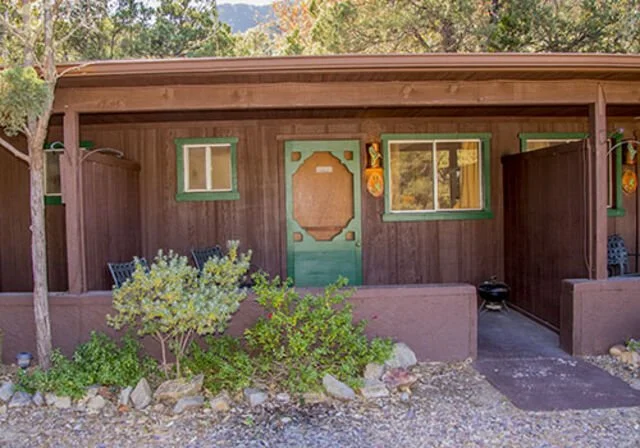
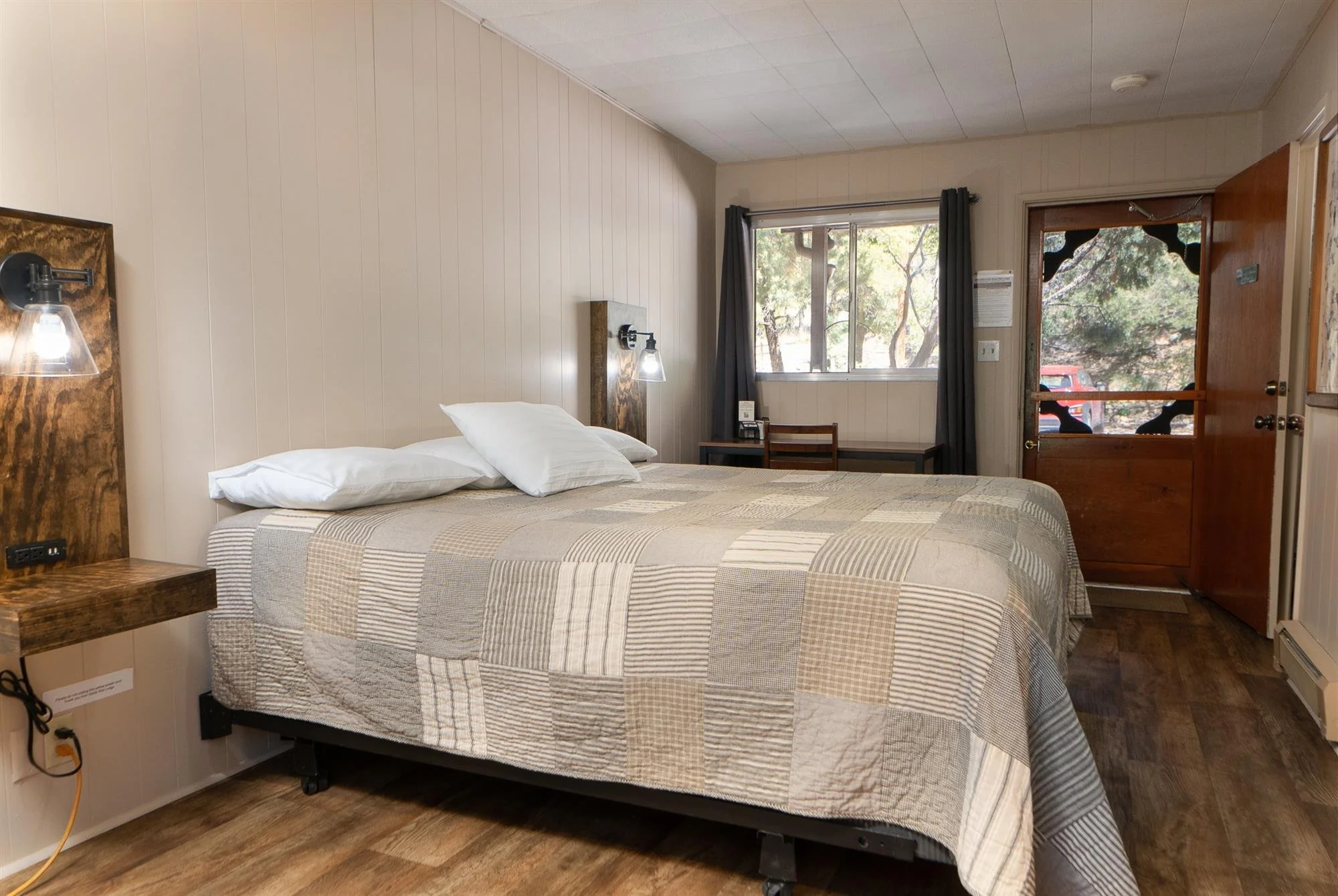
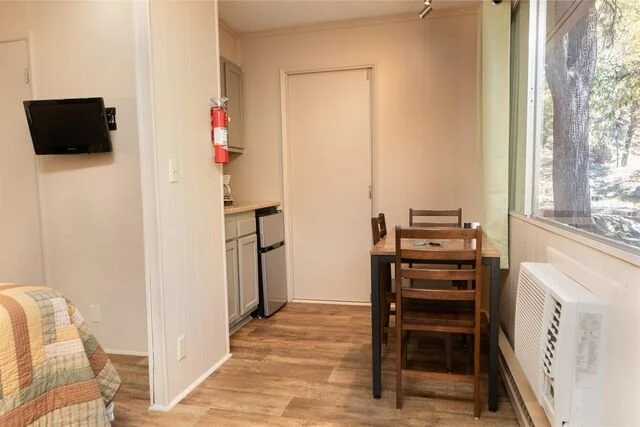
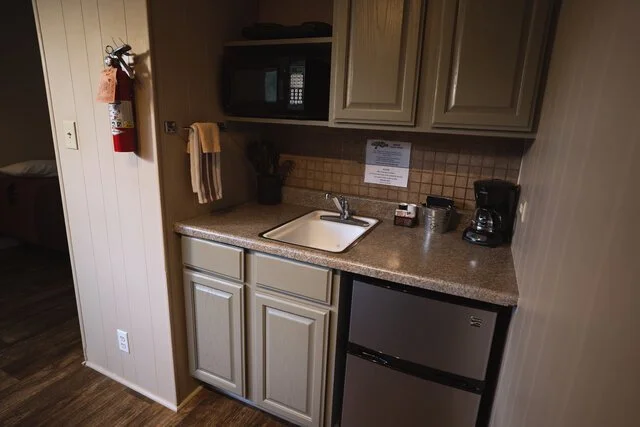
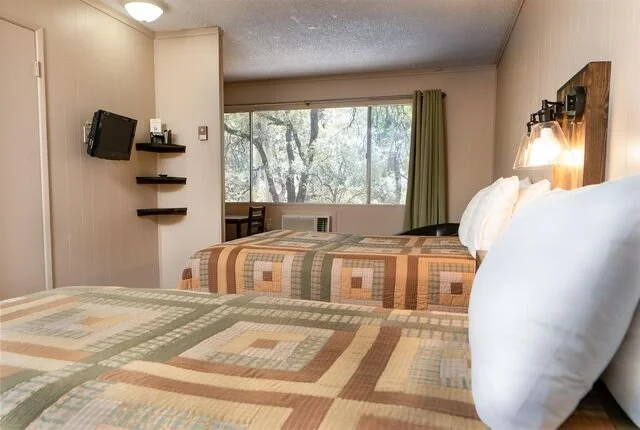
We’ll stay at lodges picked for the birding, not chain hotels in town. You’ll be watching feeders over your morning coffee and stepping out your door into some of the most famous canyons in North American birding.
Dates:August 5 to 14, 2027
Location: Southeast Arizona, starting and ending in Tucson
Price:Early bird $4,995 (first 6 seats only). Regular price $5,395.
Refundable:Fully refundable if we don’t receive the required 6 guests by May 7th, 2027
Includes:All lodging, all meals, all entrance and feeder fees, and van transportation.
Group Size:6 to 10 guests, with 2 guides
Difficulty Level:Moderate. Some uphill climbs over rocky terrain.
Your Host: Rick Szabo & local Arizona guide
What to Expect: Mountain canyons, desert washes, hummingbird feeders, monsoon thunderheads, night birding, and some of the best food stops in the Southwest. Expect early starts, a midday break when it’s hot, spectacular sunsets, and a long list of birds you can’t see anywhere else in the US.
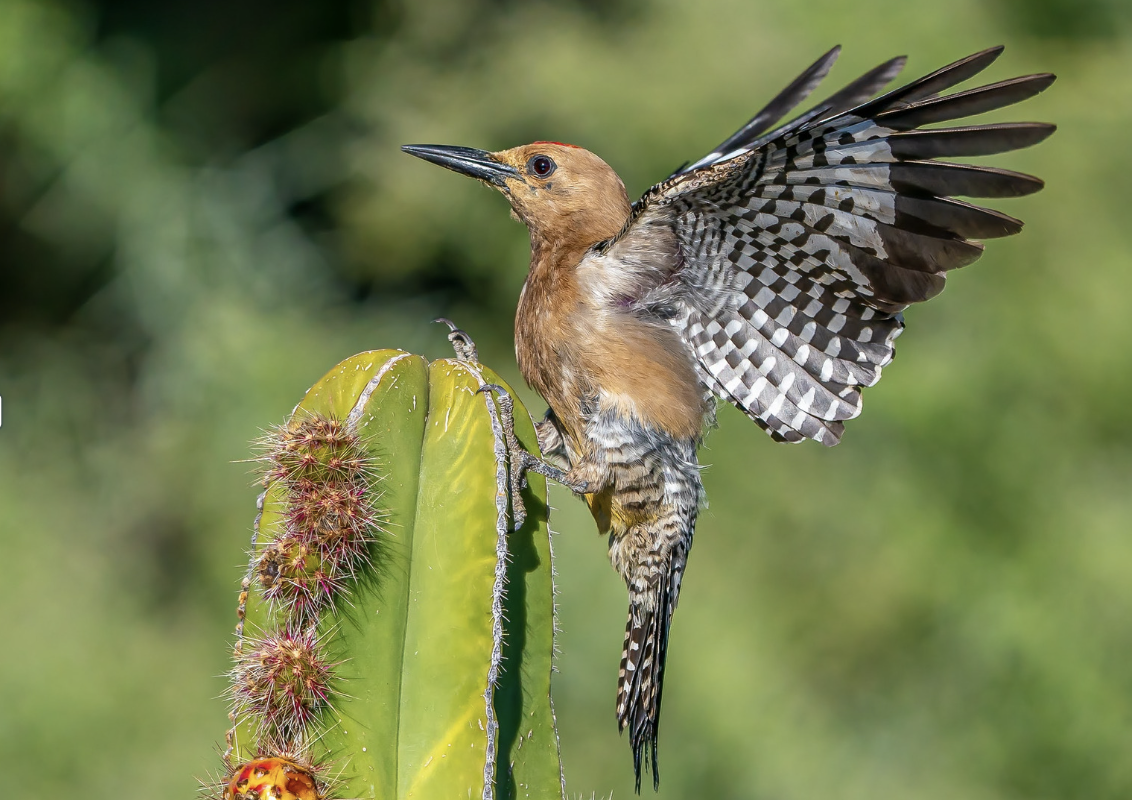
Gila Woodpecker
Dates & Booking
Dates: August 5 to 14, 2027
Arrival Day: Tucson International Airport (TUS) by 3:00 p.m. on Aug 5
Departure Day: Anytime on Aug 14
Early Bird Price: $4,995 per person, sharing a room (first 6 seats only)
Regular price: $5,395 per person, sharing a room
Hold your spot with a $500 deposit
Single Supplement: $1,195 (limited availability)
Travelling solo? We match roommates so you can pay the double occupancy rate.
Final payment: Due May 7, 2027
Group Size: Minimum 6 participants, maximum 10. If we do not reach 6 guests, every dollar including your deposit is refunded in full.
IMPORTANT NOTE ON HEAT AND ELEVATION
August days in the desert can reach the upper 90s °F (about 35 °C) or higher. We start early to bird in the cooler hours and take a break in the heat of the afternoon. Afternoon monsoon storms are common, and they usually cool things off and pass quickly.
We’ll also bird at elevation. Mount Lemmon tops out at about 9,100 feet (2,775 m), and the high Chiricahuas reach about 8,500 feet (2,590 m). We take it slow up there, but please check with your doctor before booking if you have heart or breathing concerns.
-
Day 1 | Aug 5 | Arrival in Tucson
Fly into Tucson and make your way to our hotel near the airport. We’ll kick things off with a welcome dinner and get to know each other.
Accommodation: Tucson Hotel
-
Today we climb Mount Lemmon, one of the best areas to bird near Tucson. The drive is like traveling from Mexico to Canada in an hour, from saguaro desert to cool fir forest. We’ll work our way up slowly, stopping for warbler flocks and raptors riding the ridges. By afternoon we’ll be up in the pines, where it’s 20 degrees cooler than the city below.
Accommodation: Mount Lemmon Lodge
Target Species: Red-faced Warbler, Olive Warbler, Grace’s Warbler, Painted Whitestart, Yellow-eyed Junco, Spotted Owl. -
We head east to Portal, birding the ponds at Willcox along the way for shorebirds and waterbirds. Then it’s two full days in the Chiricahuas, one of the most beautiful mountain ranges in the country. Red-rock cliffs tower over Cave Creek Canyon, and the hummingbird feeders here are famous.
We’ll bird from the desert floor all the way up to high pine forest, and spend at least one evening listening for owls and nightjars.
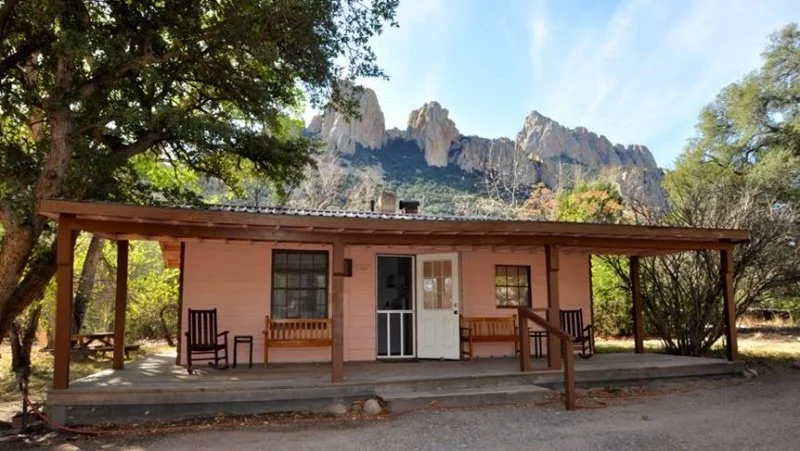
Accommodation: Cave Creek Ranch, Portal
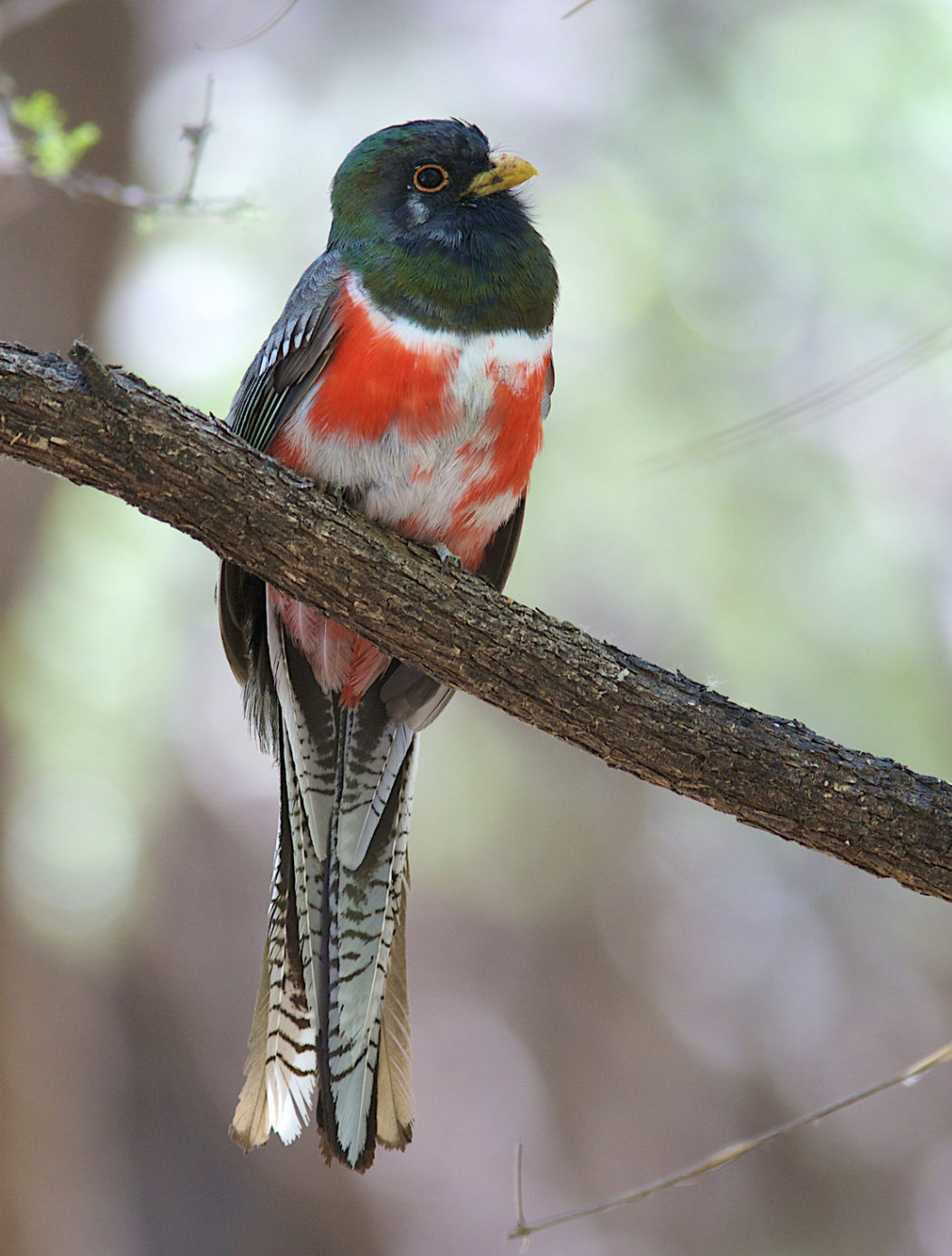
Target Species: Coppery-tailed Trogon (formerly Elegant Trogon), Mexican Chickadee, Blue-throated Mountain-gem, Rivoli’s Hummingbird, Montezuma Quail, Crissal Thrasher, Juniper Titmouse
-
Next we move to the Sierra Vista area and the Huachuca Mountains, the hummingbird capital of the United States. We’ll spend time at famous feeder stations in Miller, Ash and Ramsey canyons, where 10 or more hummingbird species are possible.
We’ll also bird the grasslands for singing sparrows and the cottonwoods along the San Pedro River. Our inn has its own feeders and gardens, so the birding doesn’t stop when we get back.
Accommodation: Casa de San Pedro
Target Species: Lucifer Hummingbird, Violet-crowned Hummingbird, White-eared Hummingbird, Buff-breasted Flycatcher, Botteri’s Sparrow, Cassin’s Sparrow, Chihuahuan Meadowlark, Scaled Quail
-
We head west through the Sonoita grasslands to Patagonia, home of the famous Paton Center for Hummingbirds, and the riparian woods along Sonoita Creek. Then we settle into Madera Canyon in the Santa Rita Mountains, one of the most celebrated birding spots in North America.
The lodge feeders are busy from dawn to dusk, and the canyon trails are some of the best places in the US to find a trogon. After dark, we’ll go looking for owls.
Accommodation: Santa Rita Lodge, Madera Canyon
Target Species: Thick-billed Kingbird, Rose-throated Becard, Gray Hawk, Varied Bunting, Arizona Woodpecker, Sulphur-bellied Flycatcher, Whiskered Screech-Owl
-
We’ll spend our last morning cleaning up any target birds we’re still missing before driving back to Tucson. Our last night lines up with the Southeast Arizona Birding Festival, so there may be a chance to catch a talk or visit the Nature Expo. We’ll finish with a farewell dinner and our final checklist together.
Accommodation: Tucson
Target Species: Rufous-winged Sparrow, Abert’s Towhee, Black-tailed Gnatcatcher, Harris’s Hawk, plus any rarities being reported
-
Enjoy breakfast at the hotel and head to the airport at your own pace.
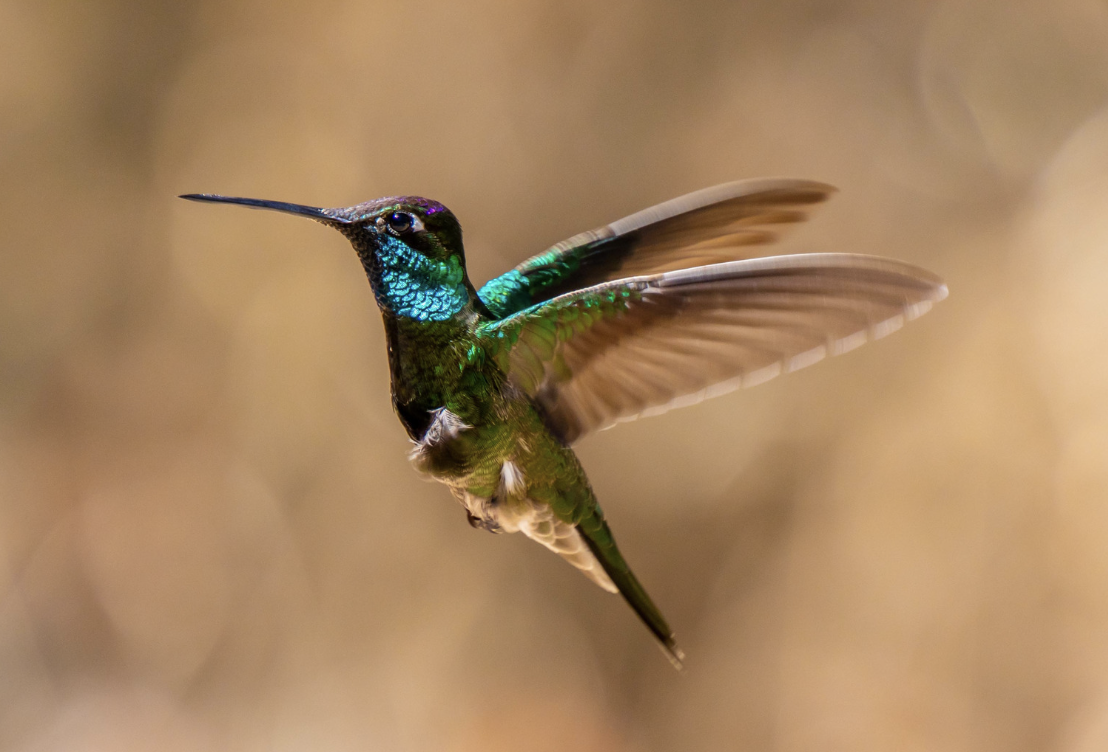
Rivoli’s Hummingbird at Madera Canyon
What's Included
Accommodation: 9 nights in hand-picked lodges and inns
All Meals: All meals from dinner on Day 1 through breakfast on Day 10, including tax and tips
Ground Transportation: Comfortable van for all touring
Expert Guidance:Rick Szabo and local guide
Park & Reserve Fees:All park, preserve and feeder fees
Snacks and water: Kept stocked in the van every day
Night birding: Optional evening outings for owls and nightjars
Checklists: Daily checklists of all bird species & mammals. You'll get to bring home a souvenir checklist of the trip.
Small group: No more than 10 guests
What's NOT Included
Flights:
Your travel to and from Tucson
Travel Insurance: Required. Participants are responsible for their own trip coverage.
Alcoholic Beverages: Available for purchase at lodges and restaurants
Personal Expenses: Souvenirs, laundry, personal items
Tips/Gratuities: Optional gratuity for Rick & your local guide
Extra hotel nights:
If you arrive early or stay late
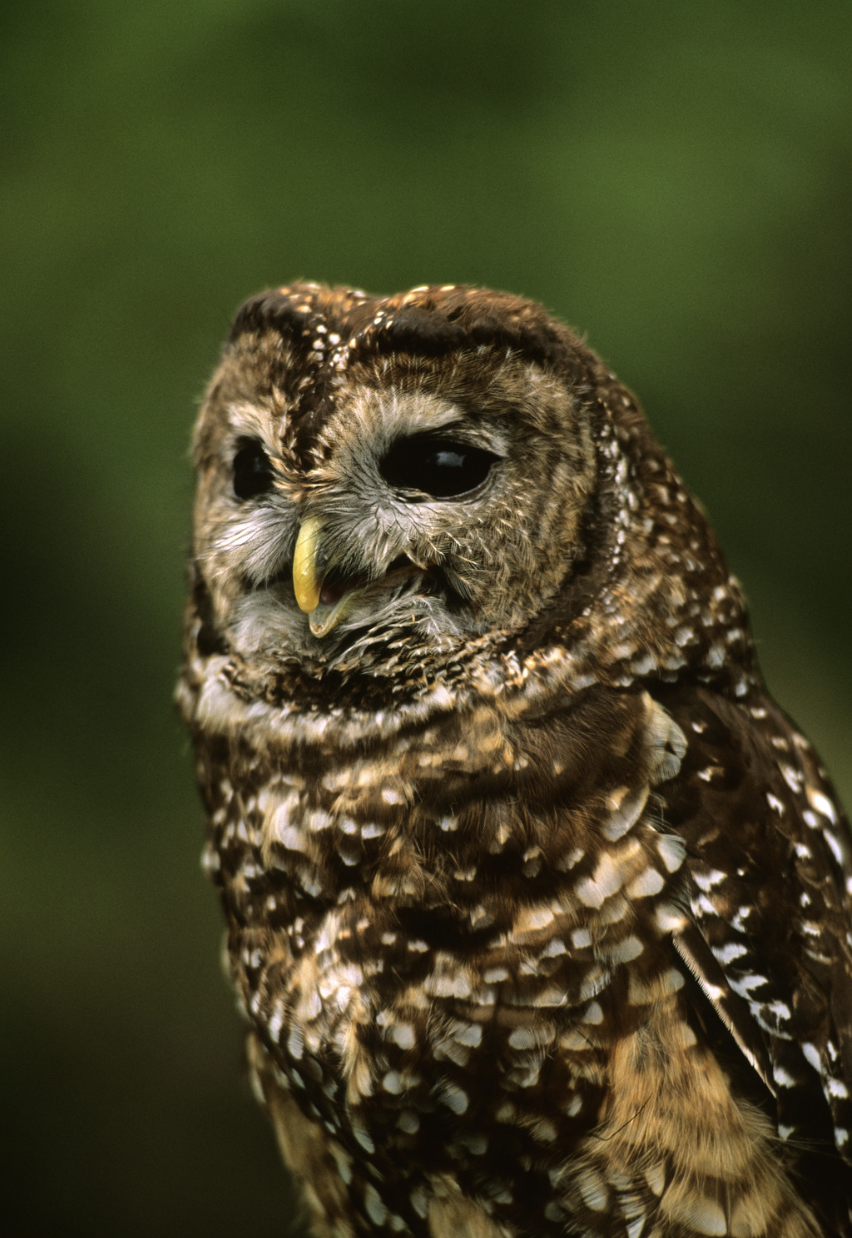
Spotted Owl (Mexican) with luck
What to Bring
-
Binoculars (8x42 or 10x42 recommended)
Camera with zoom lens if you enjoy bird photography (the feeders are a photographer's dream)
Field guide to the Birds of Western USA (optional)
Small backpack for daily excursions
eBird app or Merlin downloaded for region (optional)
A small flashlight or headlamp for night birding
-
Lightweight, breathable long sleeves and pants (great for sun and thorns)
A wide-brimmed hat
A light rain jacket for monsoon showers
A warm layer for cool mountain mornings and evenings
Sturdy closed-toe hiking shoes (desert plants are spiny)
-
Sunscreen and lip balm
Insect repellent
A refillable water bottle
Any medications you need
-
Spotting scope is not necessary (both guides will have one)
What NOT to Bring
-
We’ll be traveling in one van and changing lodges four times, so please pack in one medium suitcase plus a daypack.
-
Everything on this trip is casual. Comfortable and practical wins every time.
-
A light fleece or jacket is plenty, even at the top of Mount Lemmon.
-
Leave expensive jewelry at home.
-
Arizona and Birding With Rick are committed to sustainability.
-
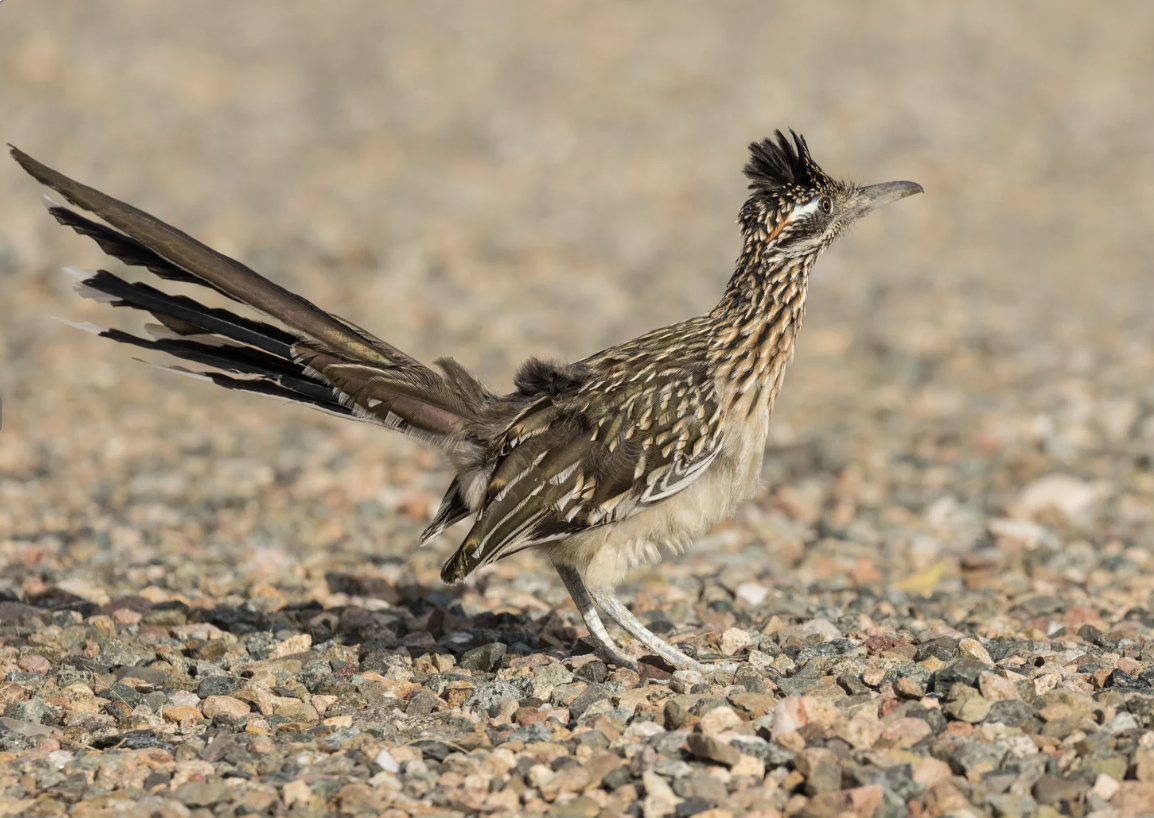
Greater Roadrunner
Physical Fitness Level
Difficulty: Moderate
This is mostly easy birding at feeders, on lodge grounds, and on short forest trails, with vehicle transfers between sites. The main challenge is elevation, not distance.
Walks are usually 1 to 3 miles a day at a slow birding pace, mostly on roads and wider trails
One or two optional hikes are longer and steeper, and you’re welcome to sit them out at a feeder instead
Days start early, usually around 5:30 to 6:00 a.m., with a break in the afternoon heat
High elevation on Day 2 & 3, up to about 9,000 ft, with walking at a slow, easy pace
You’ll need to get in and out of a van several times a day
Birding Ability: All birding levels are welcome. Whether this is your first tour or you’re chasing your ABA lifers, I will make sure you get great looks at the birds.
Accessibility Note: Some trails have stairs, steep sections, and uneven surfaces. If you have mobility or health concerns, especially related to altitude, please contact me to discuss. Many of our best spots are feeder stations where you can sit and enjoy the show.
Accommodation
Lodges are selected for their birding access, comfort, and commitment to sustainable tourism.
Tucson Airport hotel:
Near the airport, August 5 and August 13
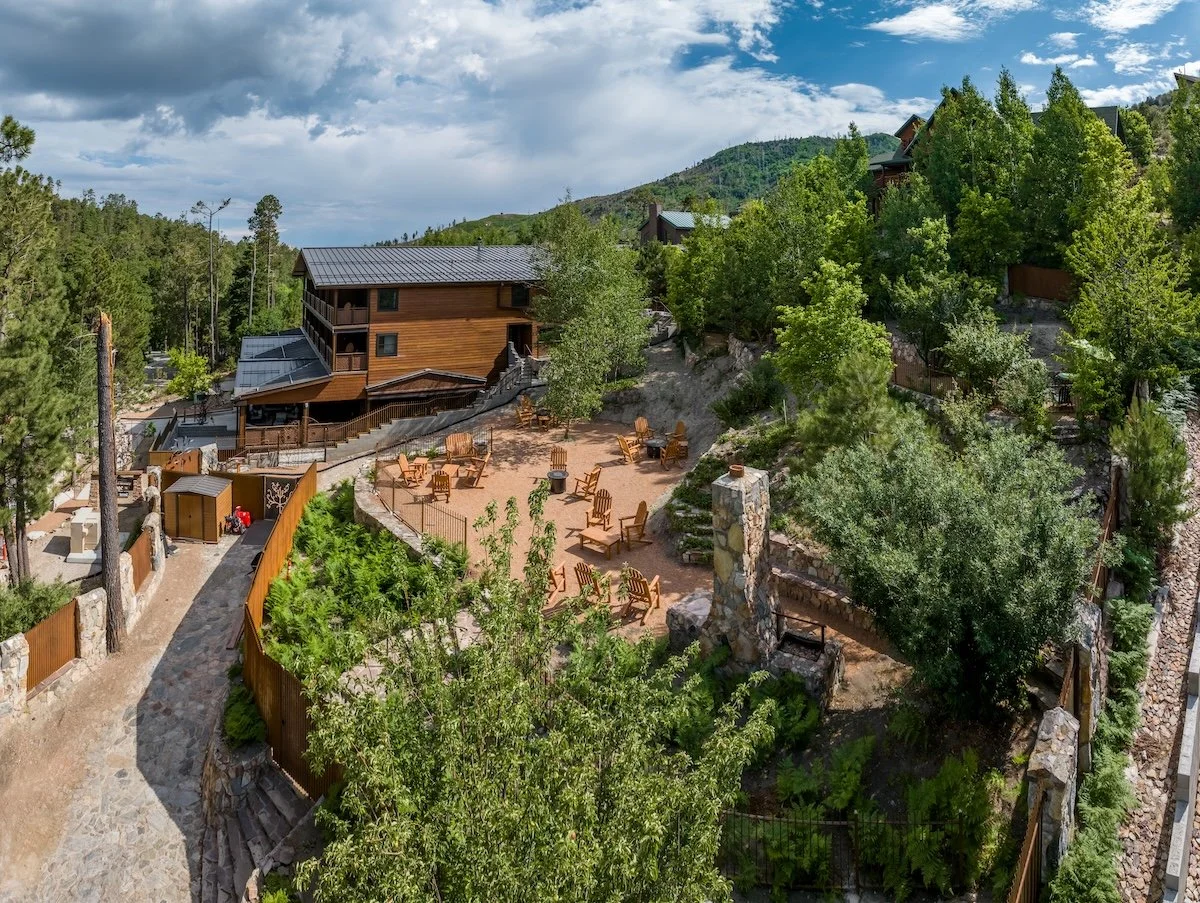
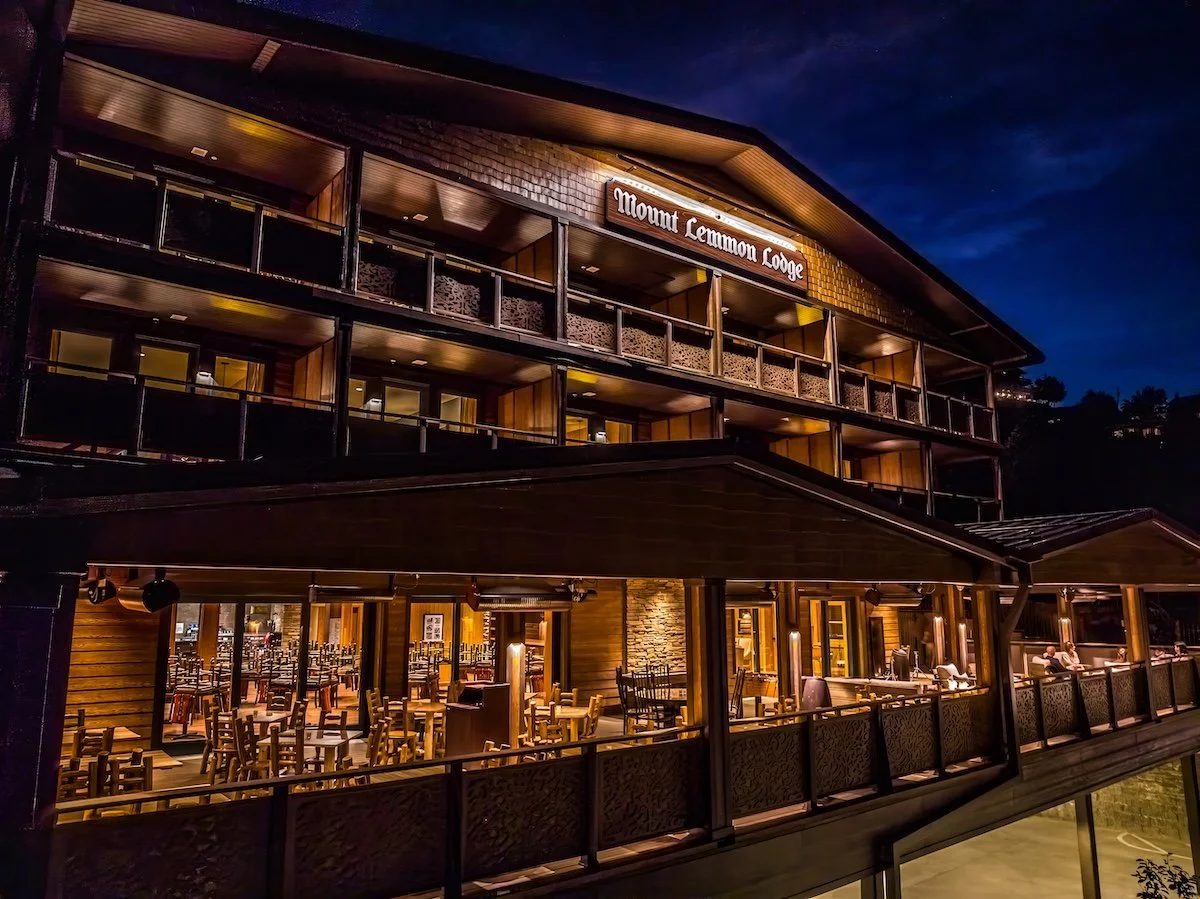
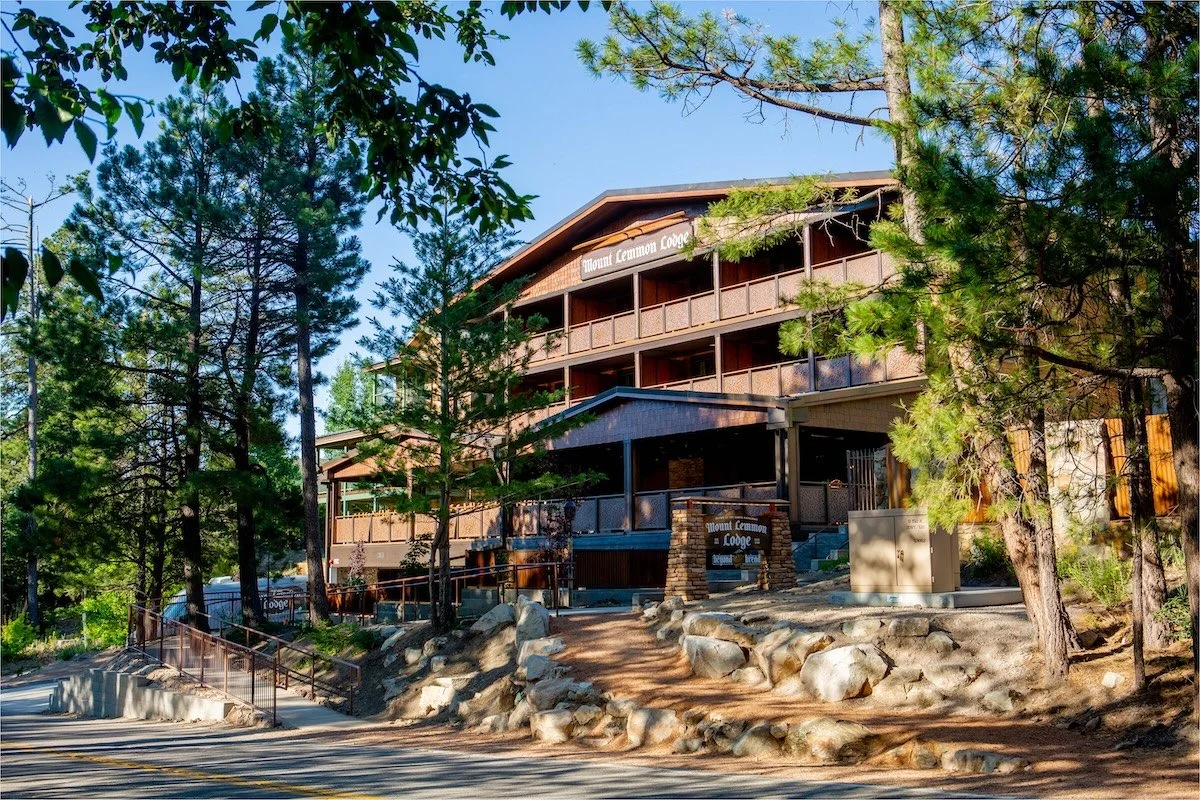
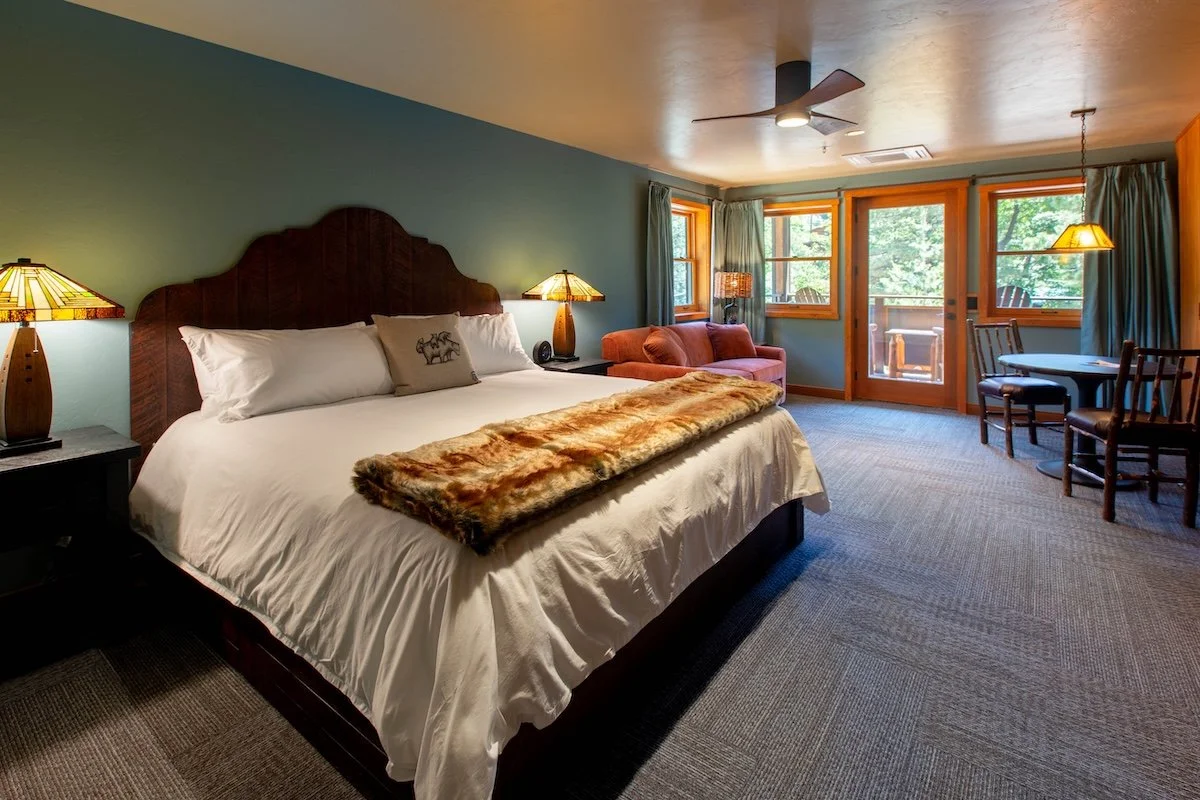
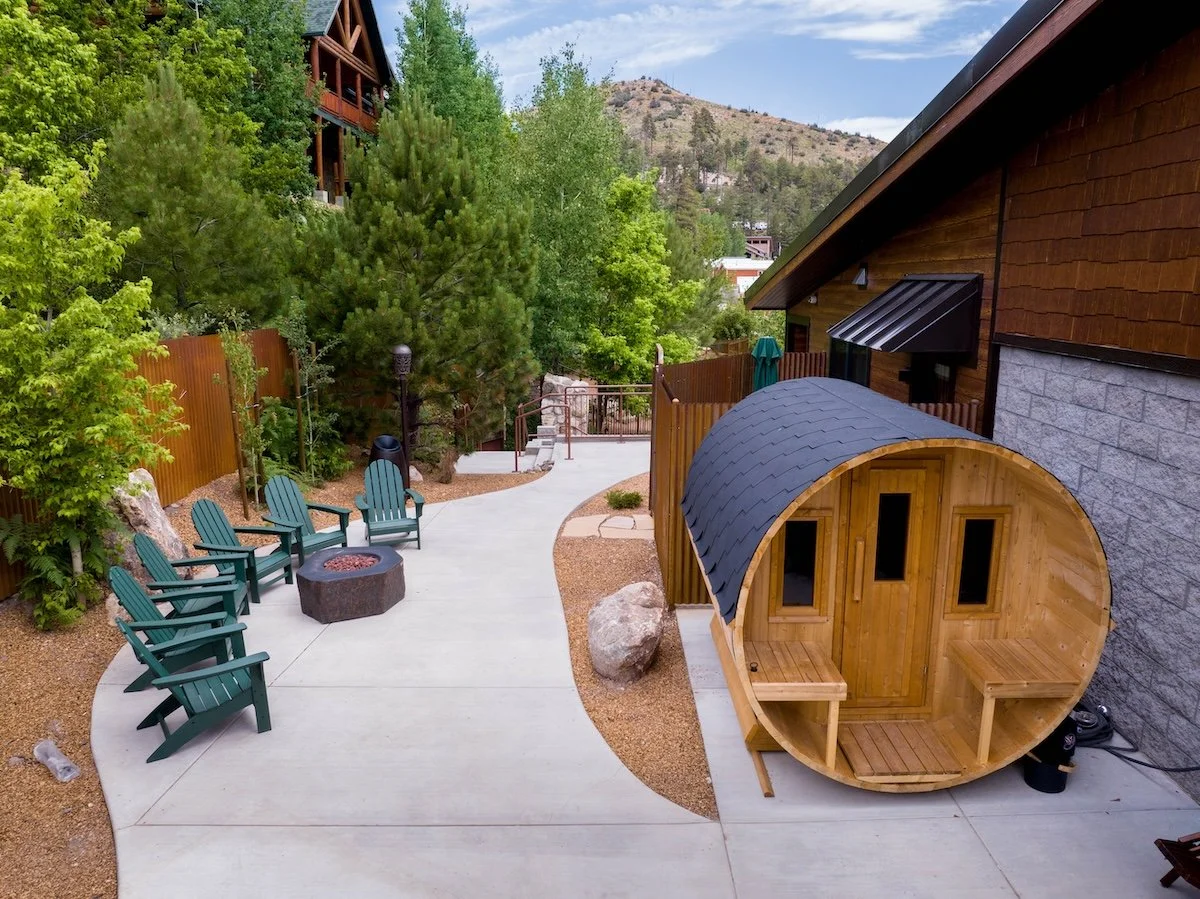
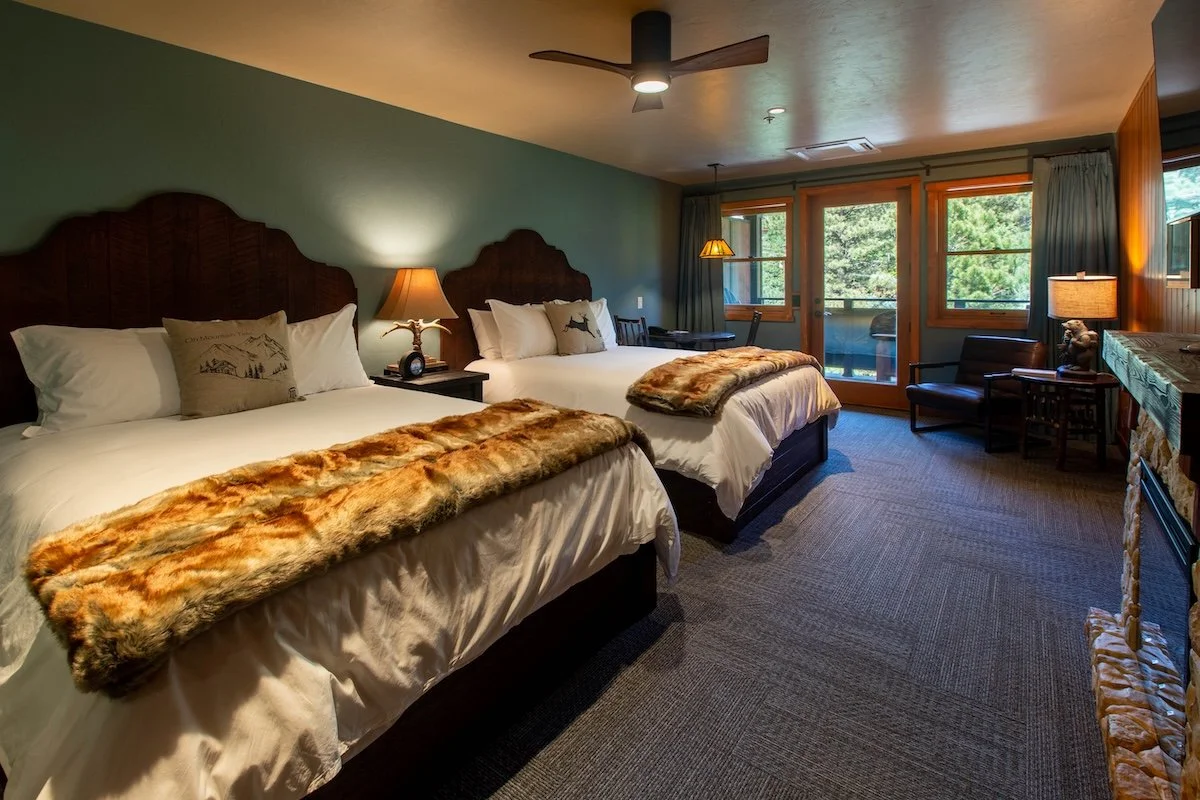
Mount Lemmon Lodge:
Summerhaven, August 6
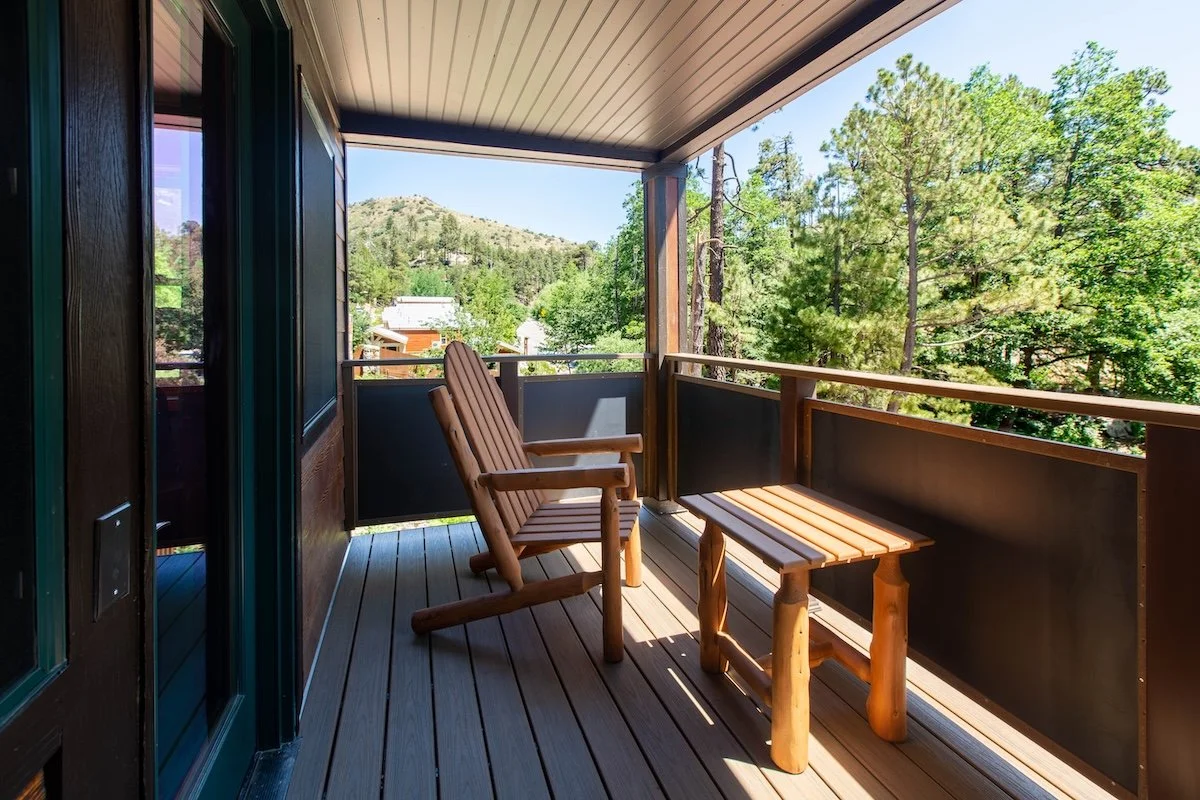

Cave Creek Ranch: Portal, August 7 and 8
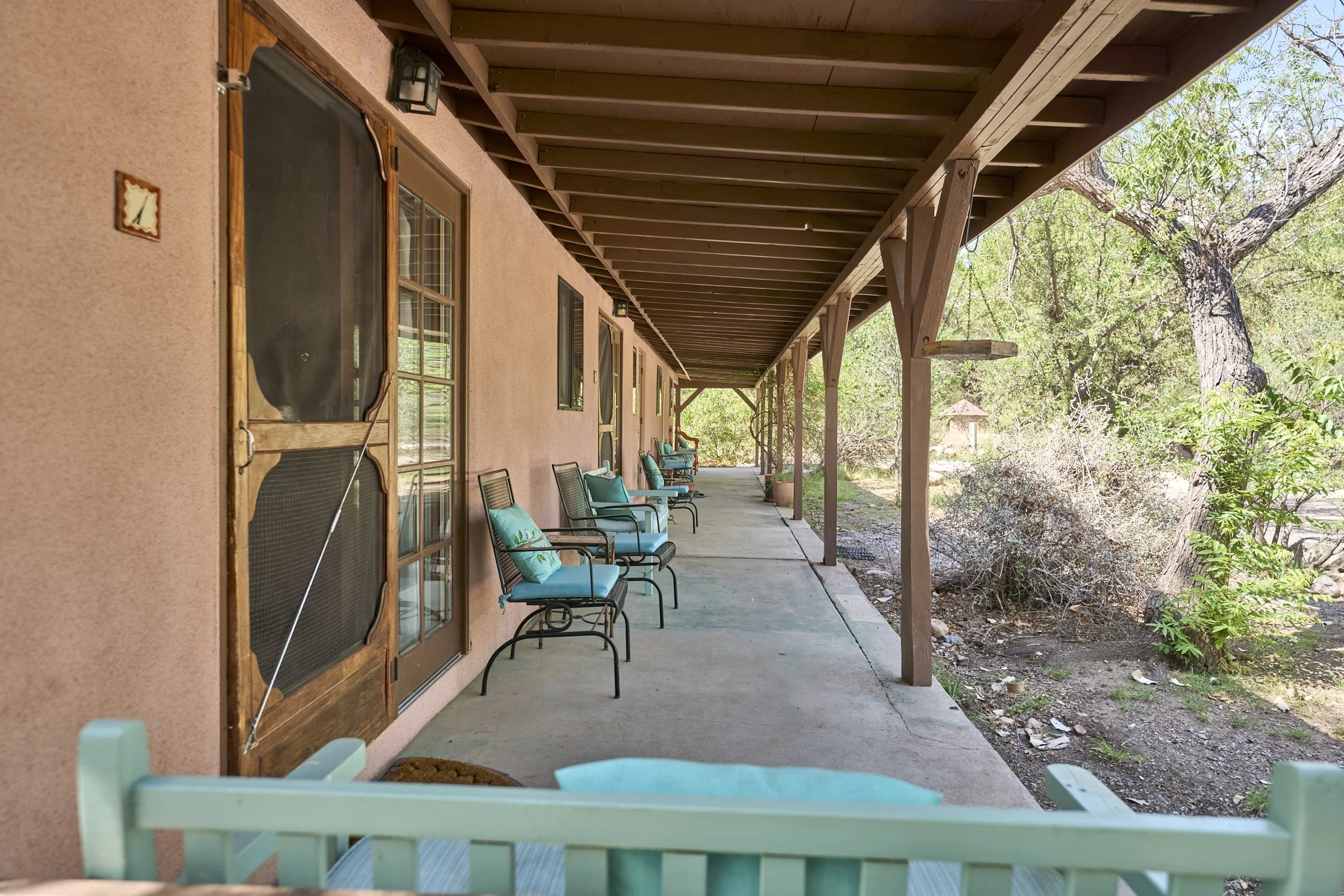
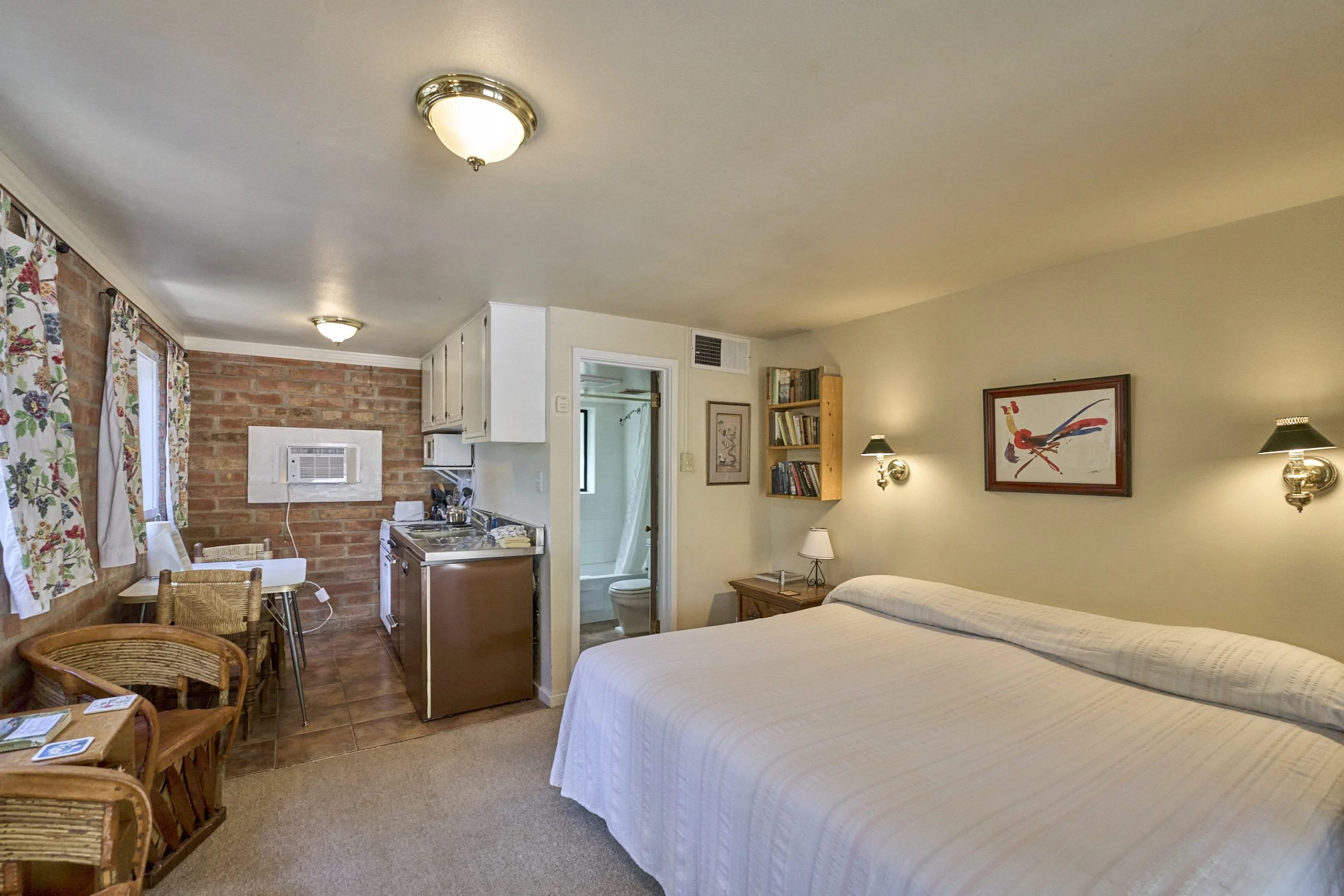
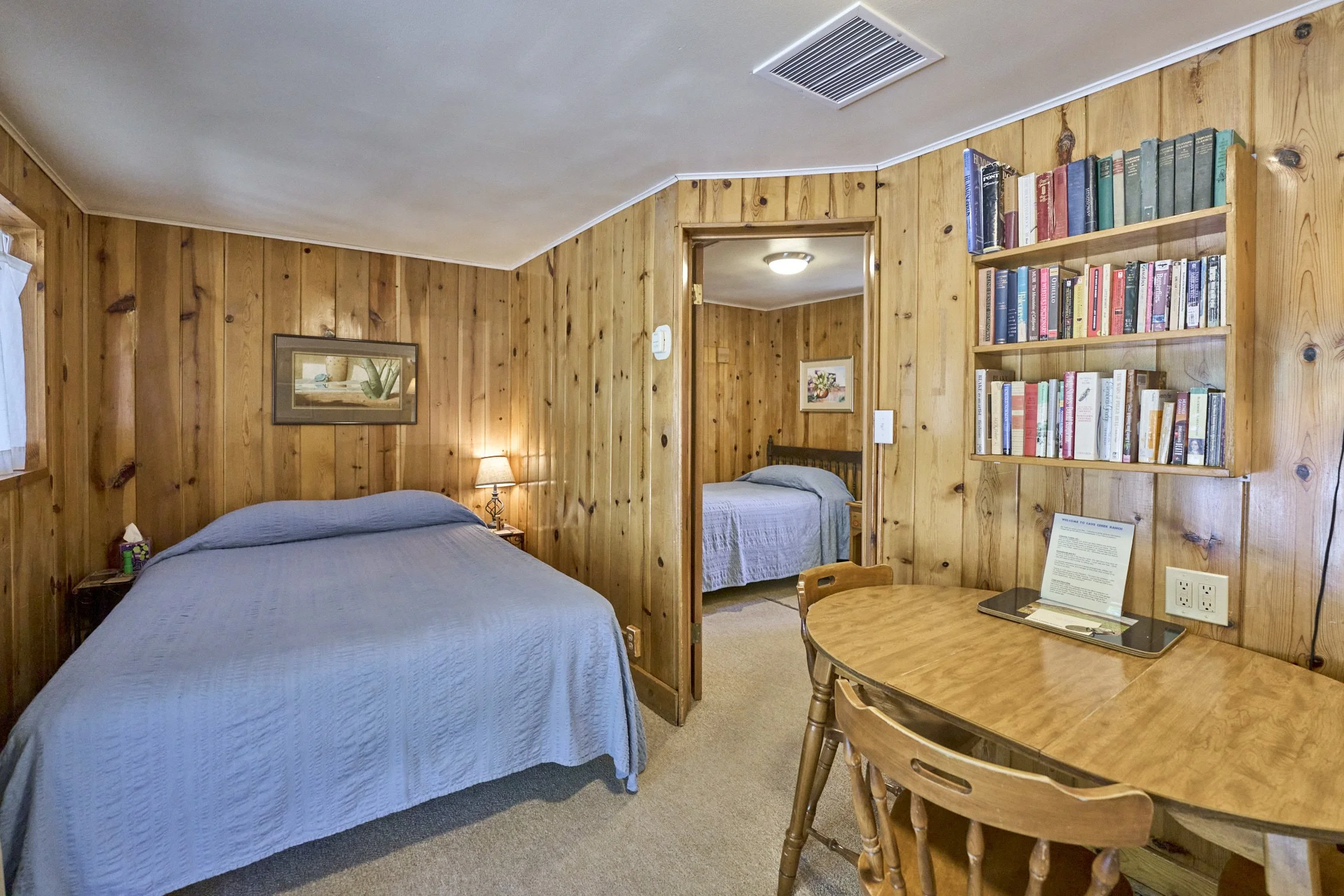
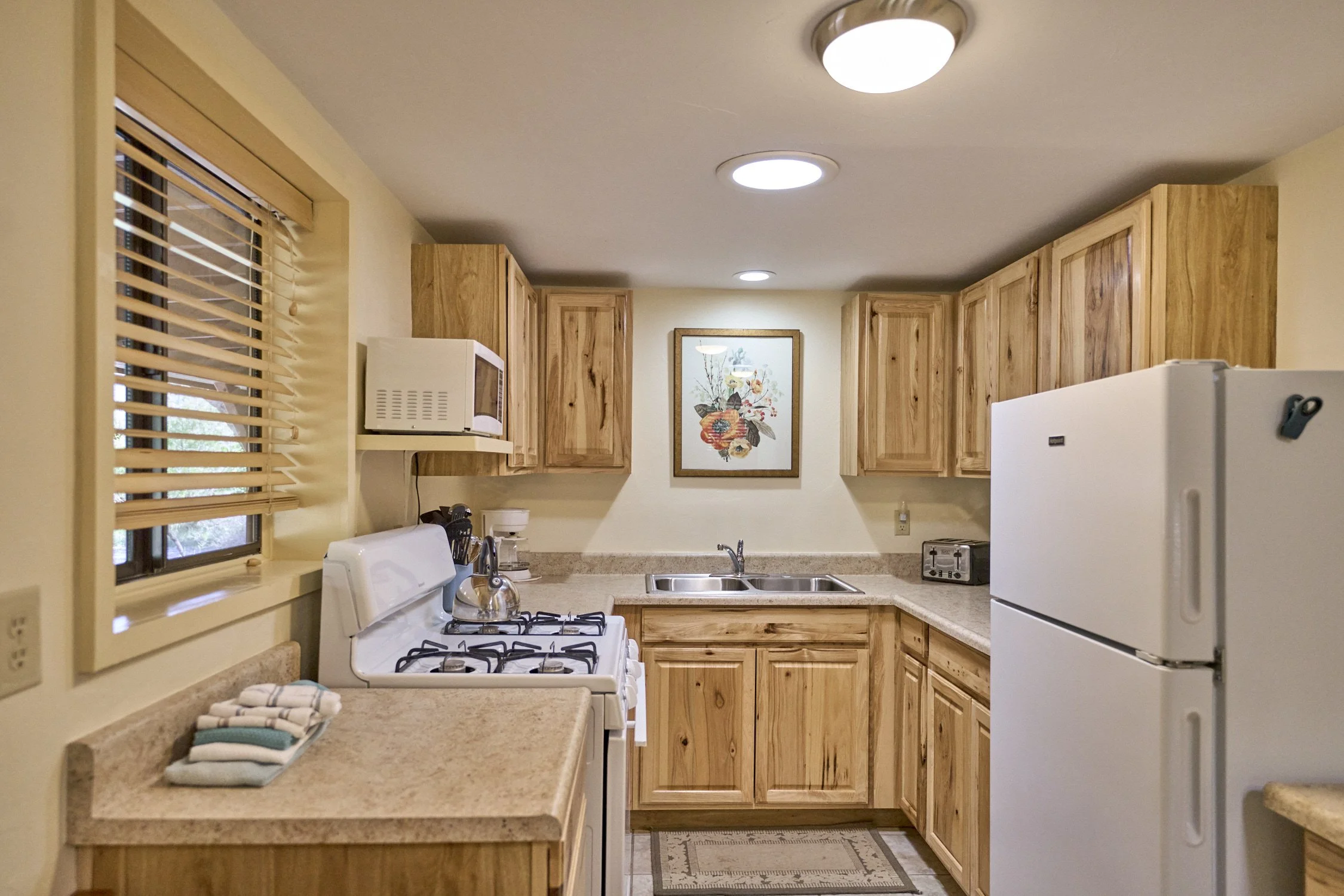
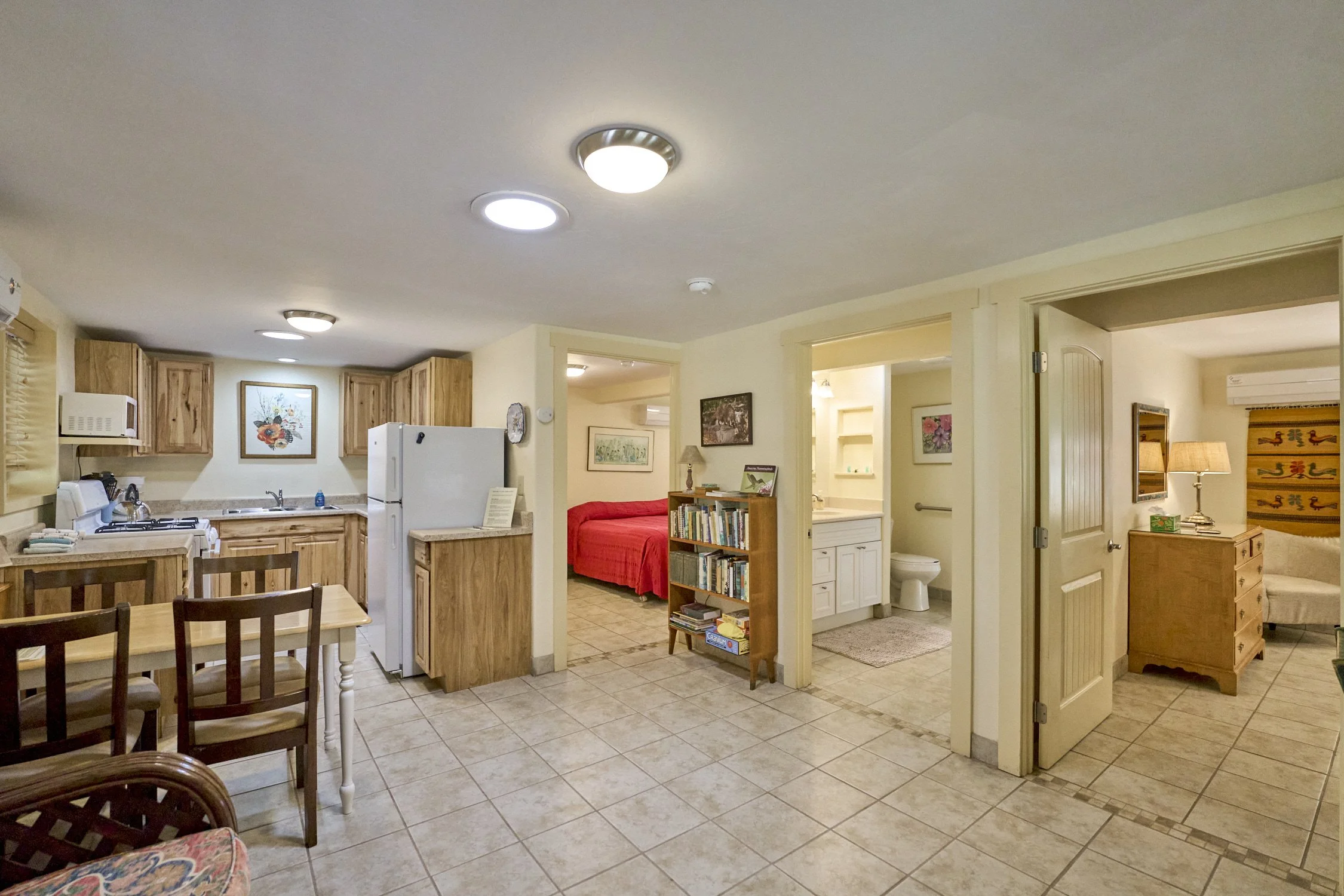

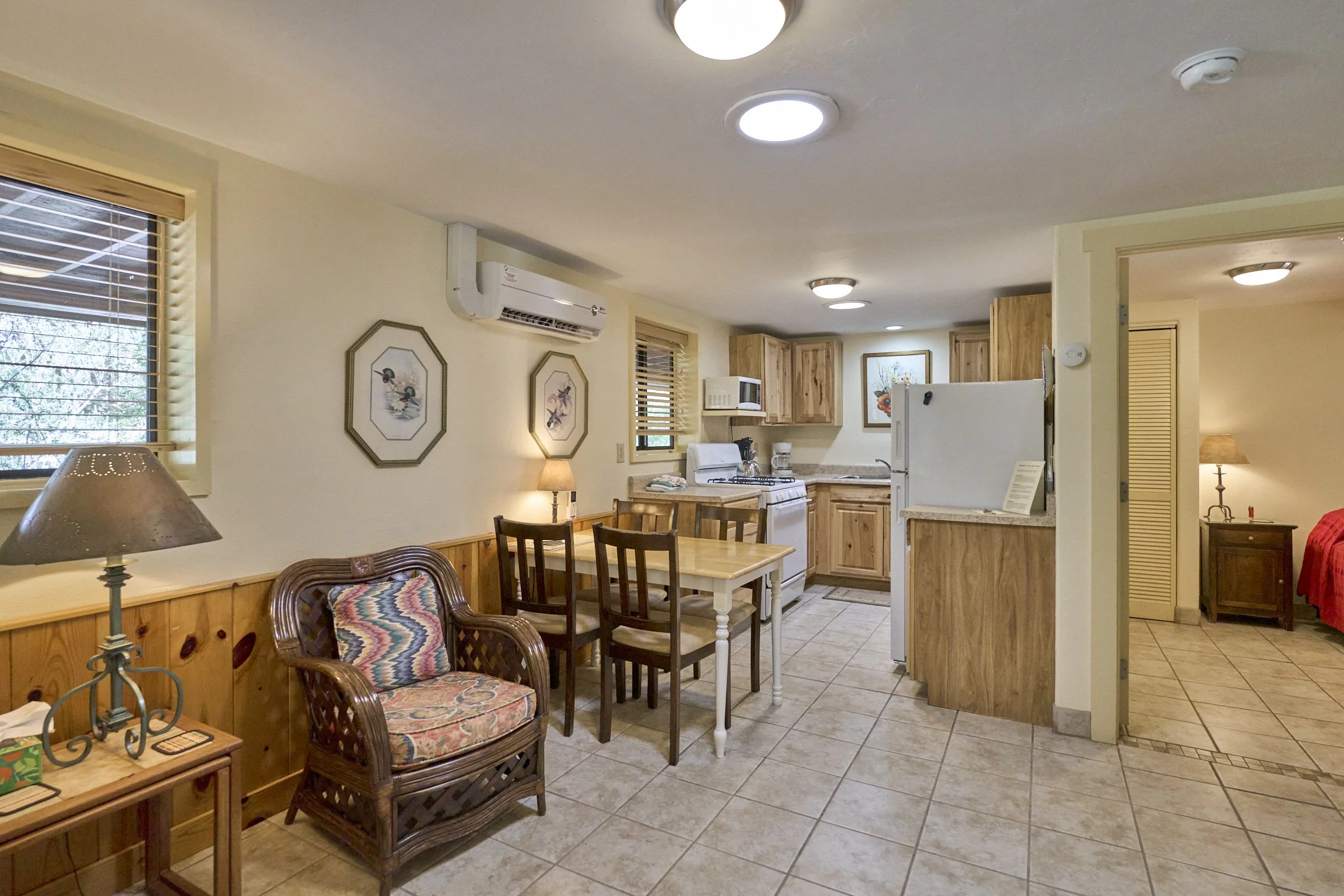
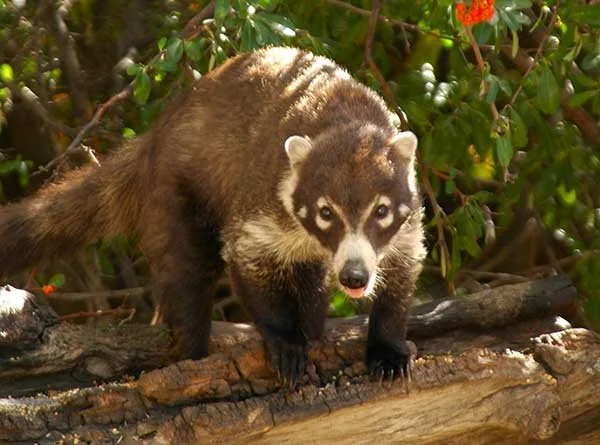
Casa de San Pedro: Hereford, near Sierra Vista, August 9 and 10
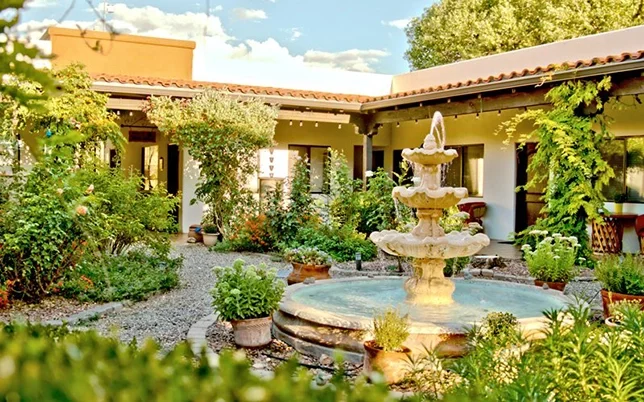
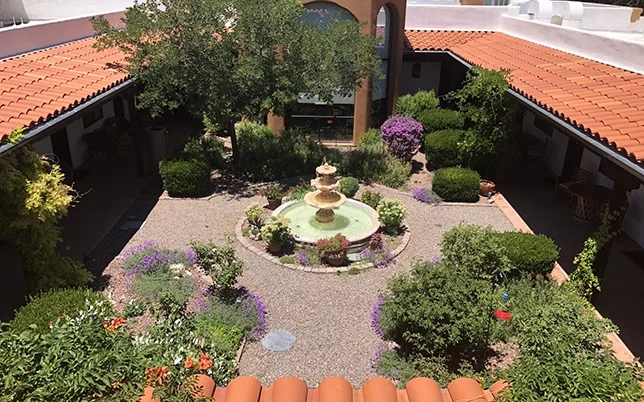

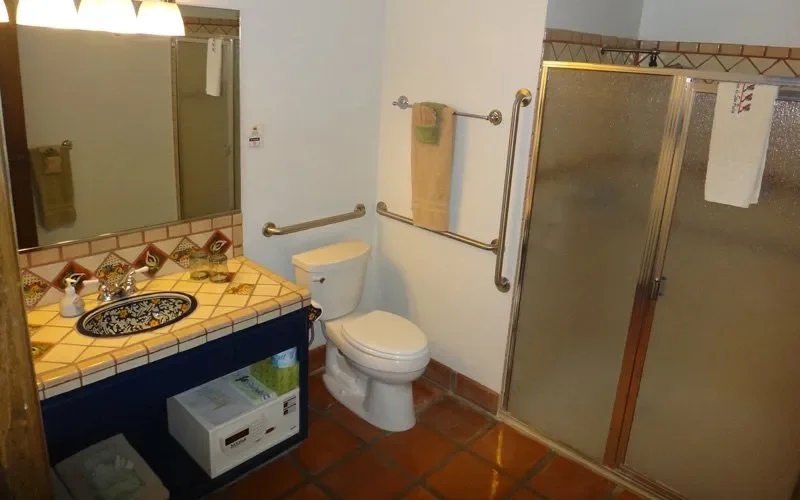
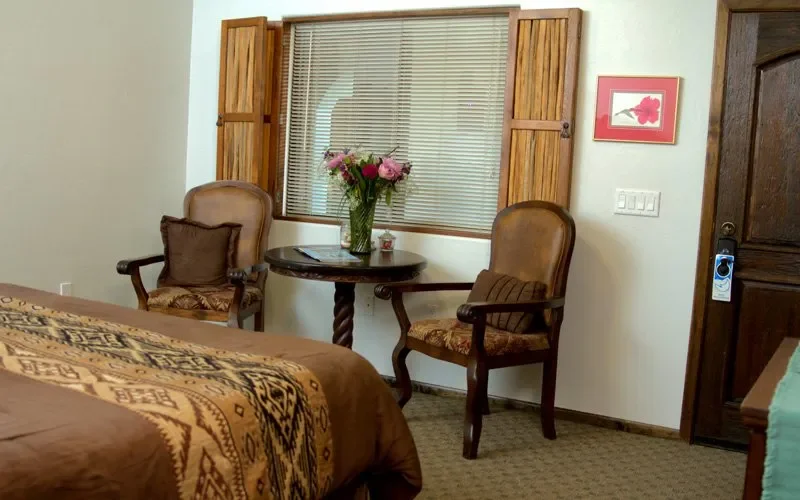
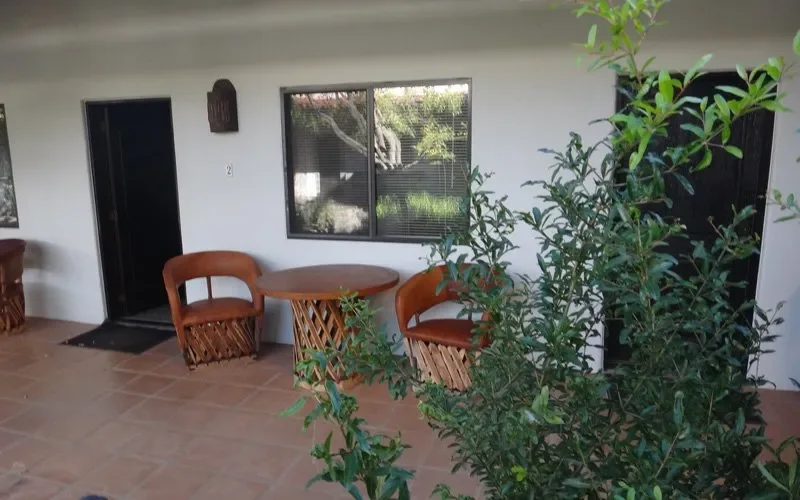
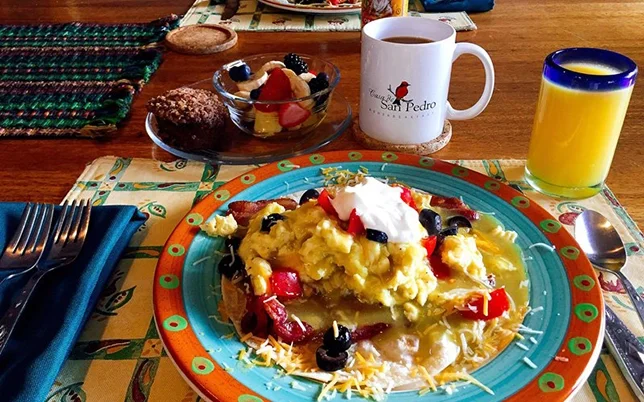
Santa Rita Lodge: Madera Canyon
August 11 and 12