
Point Pelee Spring Migration Birding Retreat
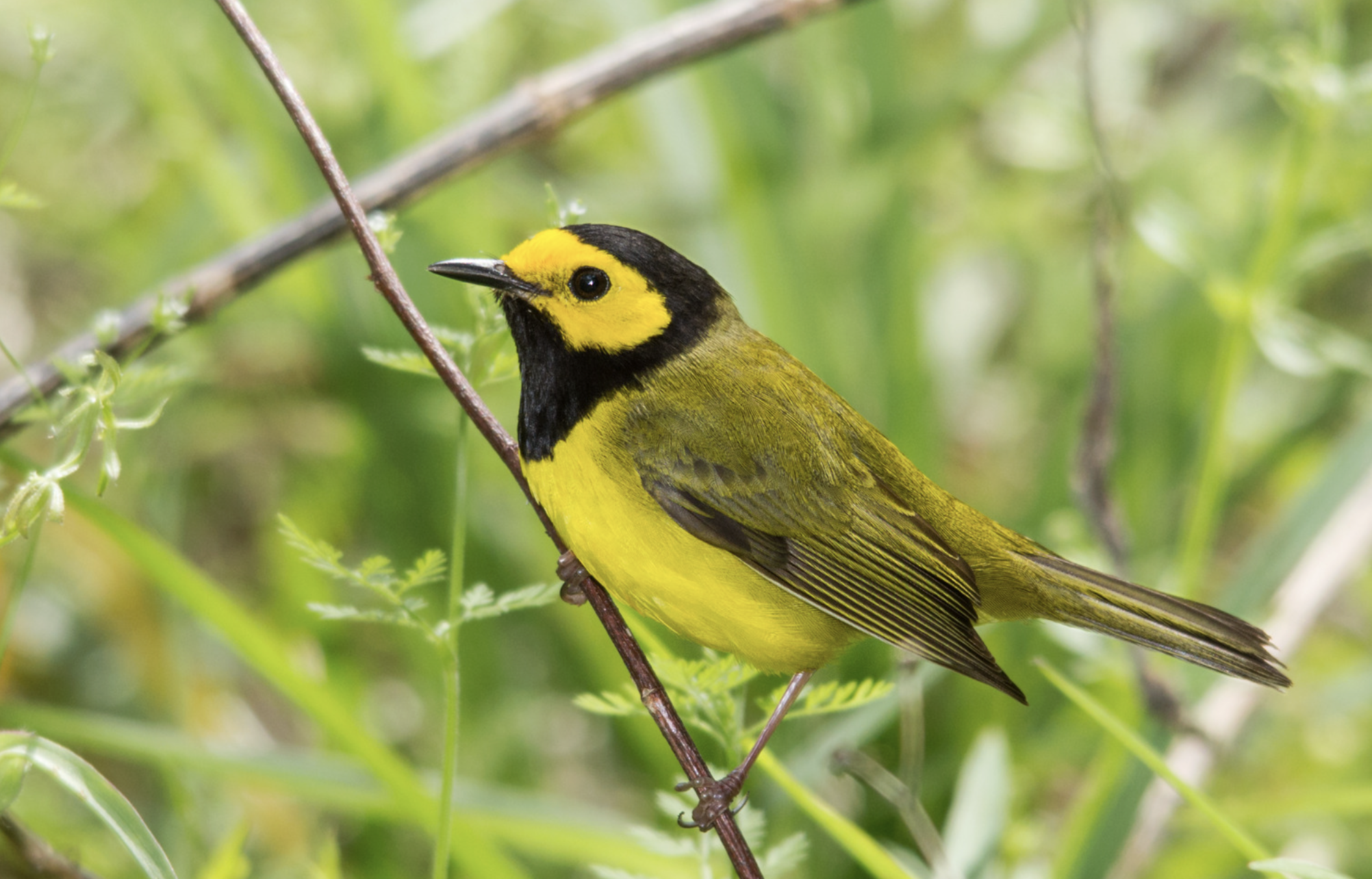
A 3-day guided retreat for budding birders who want to witness one of North America's most spectacular spring migrations up close, with an expert who knows exactly where to be and when — and makes the whole thing genuinely fun.
For birders in their first couple of years who are ready to crack the next level — warblers, calls, migrants — without spending years grinding it out alone.
So you can go from...
Hearing birds everywhere and not knowing what any of them are... to confidently identifying warblers, shorebirds, and flycatchers by sight and by sound.
Showing up to the same patch and finding the same species every time... to seeing 80–100+ species in a single weekend, including birds most people spend years chasing.
Figuring it out alone with Merlin and a field guide... to birding shoulder to shoulder with someone who has spent over a decade learning this exact place.
Watching migration pass you by year after year... to going home with an eBird checklist, real photos, and the skills to bird Point Pelee on your own next time.
Weekend 1May 7–10, 2025
Weekend 2May 14–17, 2025
10 spots per weekend · All accommodations, meals, and entrance fees included
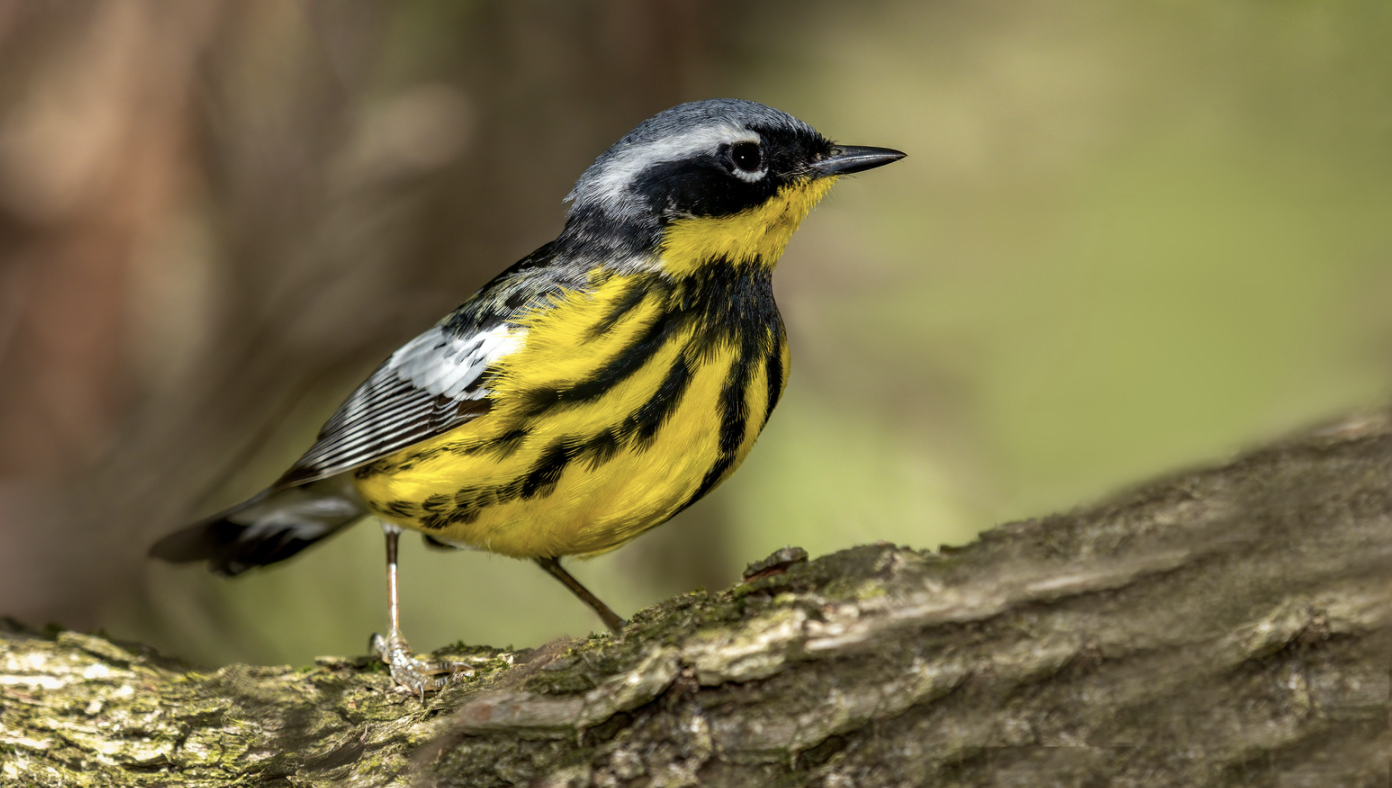
Migration comes once a year. Most birders spend it overwhelmed.
Every May, Point Pelee fills with warblers that have crossed Lake Erie overnight — species that are genuinely hard to find anywhere else on the continent at any other time of year. The window is short and the birds are everywhere, which sounds incredible until you're standing in the middle of it not knowing where to look, what you're hearing, or why everyone else seems to be pointing at something you're not seeing.
You hear a bird calling from the shrubs and pull up Merlin, but by the time you've got a match the bird is gone and you're not sure if it was right anyway.
You've been birding for a year or two and you know the basics, but warblers still blur together and every flycatcher looks exactly the same as the last one.
You know Point Pelee is supposed to be special, but the park is big and you don't know which spots are producing on any given morning, so you end up wandering.
You can't commit to a week-long tour, but you also can't bring yourself to just skip migration again this year — a short window doesn't feel worth it without the right help.
You've thought about hiring a guide but you don't know who to trust, whether it'll feel like a lecture, or whether you'll be holding a fast group back.
What you actually want from a spring migration trip
To see the birds you've been reading about — Prothonotary, Hooded, Blackburnian — with your own eyes, not just on someone else's eBird list.
To come home knowing how to find these species again, not just lucky to have seen them once with a guide.
To spend a weekend in nature without having to plan anything — someone else handles where to go, when to show up, and what to do if the weather shifts.
To meet other birders at the same stage as you, people who get it, and feel like you belong in this hobby.
To walk away with a life list that actually reflects what you're capable of seeing when you know where to look.
"I'd been birding for about eighteen months and thought I was decent until Rick casually identified six warbler species in the first ten minutes of the morning just by ear. By day two I was starting to do the same thing. It genuinely changed how I bird."
— Sarah T., Toronto, ON
"The Prothonotary Warbler was on my bucket list for three years. Rick had us on one within an hour of arriving at the Tip. I cried. Not sorry about it."
— Marcus L., Chicago, IL
"I was nervous I'd slow the group down. Rick has this way of making sure everyone is on the bird before moving, and he explains things without making you feel dumb for asking. Best money I've spent on this hobby."
— Priya N., Ottawa, ON
Picture the end of the weekend.
You're sitting at dinner on the last night with people who have spent three days watching the same birds, laughing at the same things, and trading IDs back and forth. Your eBird checklist is sitting at 94 species. You've seen the Woodcock do its sky dance. You've heard a Prothonotary Warbler and known immediately what it was without reaching for your phone. You've stood at the southernmost tip of Canada while exhausted migrants landed in the branches around you.
You go home with a life list that's crossed 300 for the first time, a laminated warbler guide you'll actually use on every future outing, and the knowledge of how to work Point Pelee on your own next spring. You don't need someone to find the birds for you anymore. You know where to look.
The retreat, day by day
Every decision — where to go, when to arrive, which trails to walk and in what order — has been made for you. Here's what those three days actually look like.
Arrive and get your bearings
Arrival · Day 1 evening
Check in, meet Rick and your fellow birders, then head to dinner at a local restaurant where Rick walks you through the full weekend plan — daily schedules, what to wear for early mornings, and which species are most likely moving through right now. You share your wish list of target birds and Rick builds the days around it. He's been guiding at Point Pelee for over a decade and knows which spots are producing on any given day of migration.
First light at the Tip
Days 2–4 · Dawn
Rick gets you to the Tip at peak hour — the window just after dawn when exhausted migrants pile into the point after crossing Lake Erie overnight. You're standing at the southernmost point in Canada, and warblers that are genuinely hard to find anywhere else — Prothonotary, Hooded, Blackburnian — are feeding within a few feet of you. Rick identifies birds by sight and song in real time, narrates what's happening ecologically, and makes sure everyone in the group gets eyes on each species before moving on.
Guided trail walk through every habitat
Days 2–3 · Mid-morning
Point Pelee has distinct habitats packed into a small area and Rick knows what's in each one. He leads you through the woodlands, marshes, and open fields in a deliberate sequence, stopping where the birding is best. He calls out the flycatchers in the canopy, works the edges where sparrows are moving, and pauses to pull apart the songs coming from the shrubs so you can hear the difference between species you've been confusing for years.
Hillman Marsh
Days 2–3 · Afternoon
After lunch, Rick takes the group to Hillman Marsh, a few minutes from the park. During migration this is one of the best shorebird sites in Ontario, with sandpipers, plovers, ibis, ducks, and geese across the mudflats and open water. Rick knows the marsh well and can quickly sort through a mixed flock to find the less obvious species standing among the common ones.
Free time to explore on your own
Days 2–3 · Late afternoon
Every afternoon is yours. Rick gives you specific spots worth exploring on your own — a stretch of the Lake Erie shoreline that's been productive, particular trails in the park, or quiet areas on the hotel grounds. You can also simply rest. The early starts are real, and the best birders pace themselves.
American Woodcock sky dance
Days 2–3 · Dusk
Rick takes the group to a field where a male Woodcock is displaying at dusk. You watch the full sky dance from the nasal peenting on the ground to the spiraling flight and the twittering descent. It's a species most birders hear about for years before finally seeing, and Rick positions the group so everyone gets an unobstructed view.
More species, sharper skills
Days 2 and 3
The daily structure stays the same — Tip at dawn, trails mid-morning, marsh in the afternoon — but the birding compounds. Rick tracks your running checklist and targets the species you haven't seen yet, adjusting routes based on what's been reported that morning. He works on ID skills throughout, connecting the field marks you're seeing to patterns that will stick past the weekend. By day three most guests are identifying confidently by ear as well as sight, and the group checklist typically lands between 80 and 100+ species.
What's included
AccommodationsYour choice of shared or private room for 3 nights
All mealsEvery breakfast, lunch, and dinner from arrival to departure
Park entrance feesPoint Pelee National Park and Hillman Marsh covered
Expert guidingRick by your side for 2.5 full days of birding
Pre-retreat accessAdded to a private WhatsApp group to ask Rick questions and prepare before you arrive
Post-retreat communityLifetime access to Rick's alumni birding community to share photos, ask questions, and stay in touch
Plus these when you arrive
1) Warbler ID guide — laminated field reference
A laminated printout with photos and names of every warbler species you're likely to encounter at Point Pelee. Sized to slip into a jacket pocket and built to survive a wet spring morning. Most guests are still using it on every birding trip months later.
2) Birding With Rick merch kit
A curated collection of Birding With Rick gear — including a hat and a point Pelee retreat pin for your checklist — so you leave with a tangible reminder of what you found this weekend.
3) Alumni community — lifetime access
After the retreat you join Rick's private alumni community, a group of people who have done exactly what you just did and kept birding after. Share trip reports, ask ID questions, plan future outings, and stay connected with the people you met at Point Pelee.
"I've done birding tours before where the guide barely acknowledges you unless you ask. Rick is the opposite. He's watching everyone, noticing who's struggling to get on a bird, and quietly fixing it without making it a thing. Real gift for teaching."
— David K., Minneapolis, MN"We finished day three with 97 species and I could identify about 40 of them by ear. I came in identifying maybe 15. That's the number that matters to me."
— Jess M., Hamilton, ON
Investment
Both weekends run May 7–10 and May 14–17. Pick the one that works for you. All accommodations, meals, park fees, guiding, and retreat materials are covered.
Shared room
$2,000 per person
Private room
$2,500 per person
Payment in full at time of booking. 10 spots per weekend.
RS
Rick Szabo spent years working in finance before a Lilac-breasted Roller on a family safari in Africa stopped him in his tracks and changed what he paid attention to. He taught himself to bird over the better part of a decade, in the field and before dawn, across North America, Africa, New Zealand, Southeast Asia, and Central America, and eventually started guiding because he discovered he was genuinely good at helping other people fall in love with it too.
In 2025 he won NBC's Destination X — a travel geoguessing competition — which, as Rick puts it, just confirmed what birders already know: when you really learn to read the natural world, you start seeing everything differently. He splits his time between Naples, Florida and Prince Edward County, Ontario, and has been guiding at Point Pelee long enough to know which corner of which trail is worth standing at on any given morning of migration.
He is not here to lecture you. He's here to make sure you get on the bird.
Questions
-
You'll be added to a private WhatsApp group where Rick introduces himself and you can start asking questions before you arrive. The retreat runs May 7–10 or May 14–17, 2025, depending on which weekend you choose. You check in on the first evening and head home after birding on the final morning.
-
No. True beginners are welcome and have done extremely well on past retreats. If you can tell a robin from a crow, you're ready. Rick adjusts to where each person in the group is and makes sure no one is left behind.
-
Binoculars if you have them (Rick can advise on borrowing options if not), comfortable walking shoes or trail boots, layers for cold spring mornings, and your target bird list. Rick handles everything else.
-
All three nights of accommodation, every meal from arrival dinner through the last morning, Point Pelee National Park entrance fees, Hillman Marsh access, Rick's guiding for the full 2.5 days, your laminated warbler guide, and the merch kit are all covered. You arrive with your bags and leave with a checklist.
-
A maximum of 10 per weekend. Small enough that Rick can make sure everyone is on every bird before the group moves on, and small enough that the mornings at the Tip feel intimate rather than like a tour bus unloading.
-
Cancellations made more than 30 days before the retreat start date are eligible for a full refund. Cancellations within 30 days of the retreat are non-refundable. If you need to transfer your spot to the other weekend, reach out and Rick will do his best to accommodate.
-
Merlin is a great tool and Rick uses it too. But identifying a bird after it's gone is different from learning to find it in the first place, know where in the habitat to look, understand what it's doing, and connect that to every similar species you'll encounter for the rest of your life. That's what three days in the field with someone who knows this place actually does.
-
Let Rick know when you book and he'll make sure it's handled. This isn't a group that eats whatever's closest to the parking lot — meals are a proper part of the experience.
-
Moderate. The mornings involve a few hours of walking on flat to gently uneven trails at a relaxed pace. The afternoons are yours to rest if you need to. You don't need to be an athlete, but you should be comfortable standing and walking for two to three hours at a stretch.
-
Payment is in full at the time of booking. No payment plans are offered.
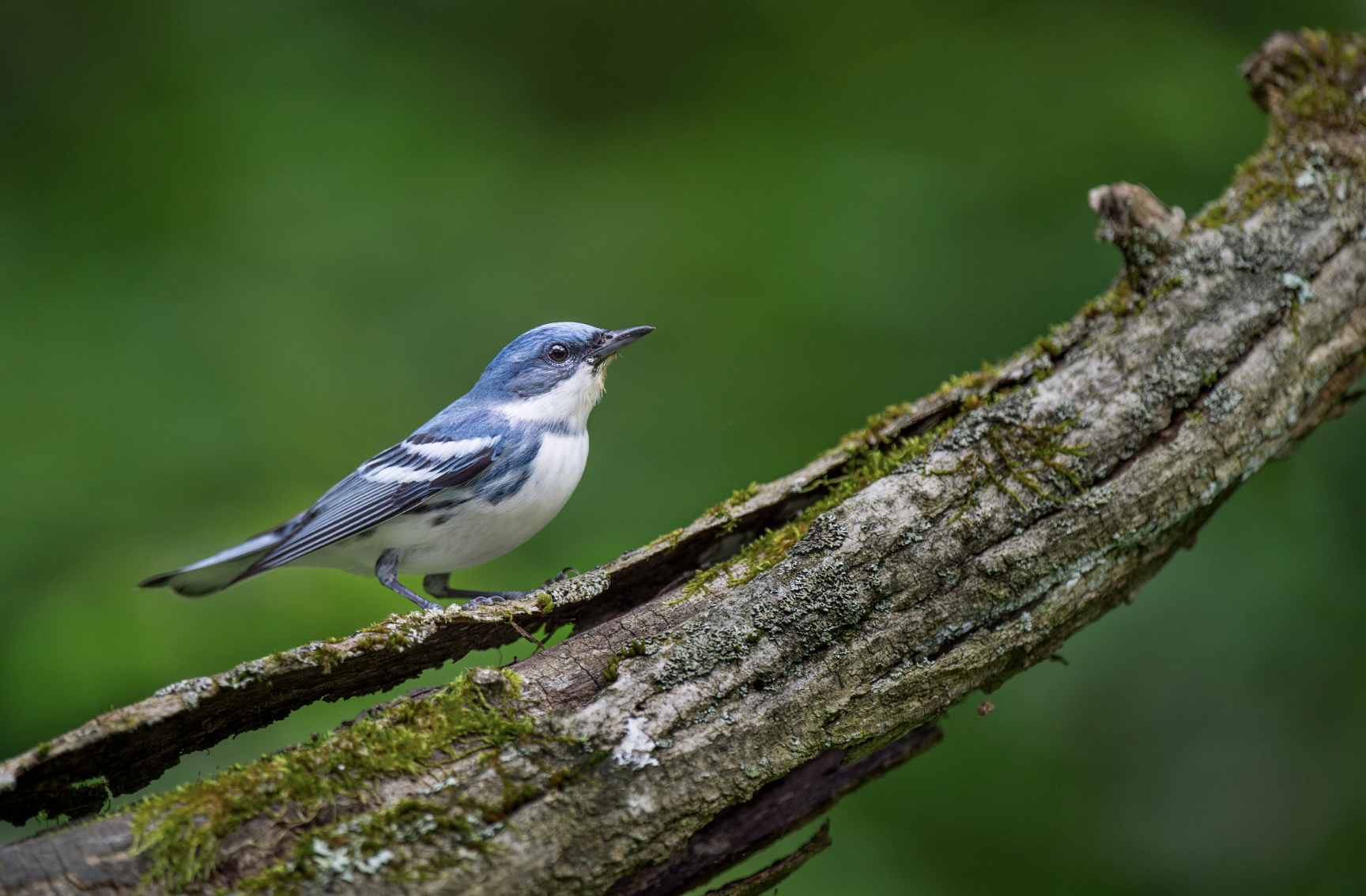
Migration waits for no one. This year, be ready for it.
10 spots per weekend. Both weekends filling now.