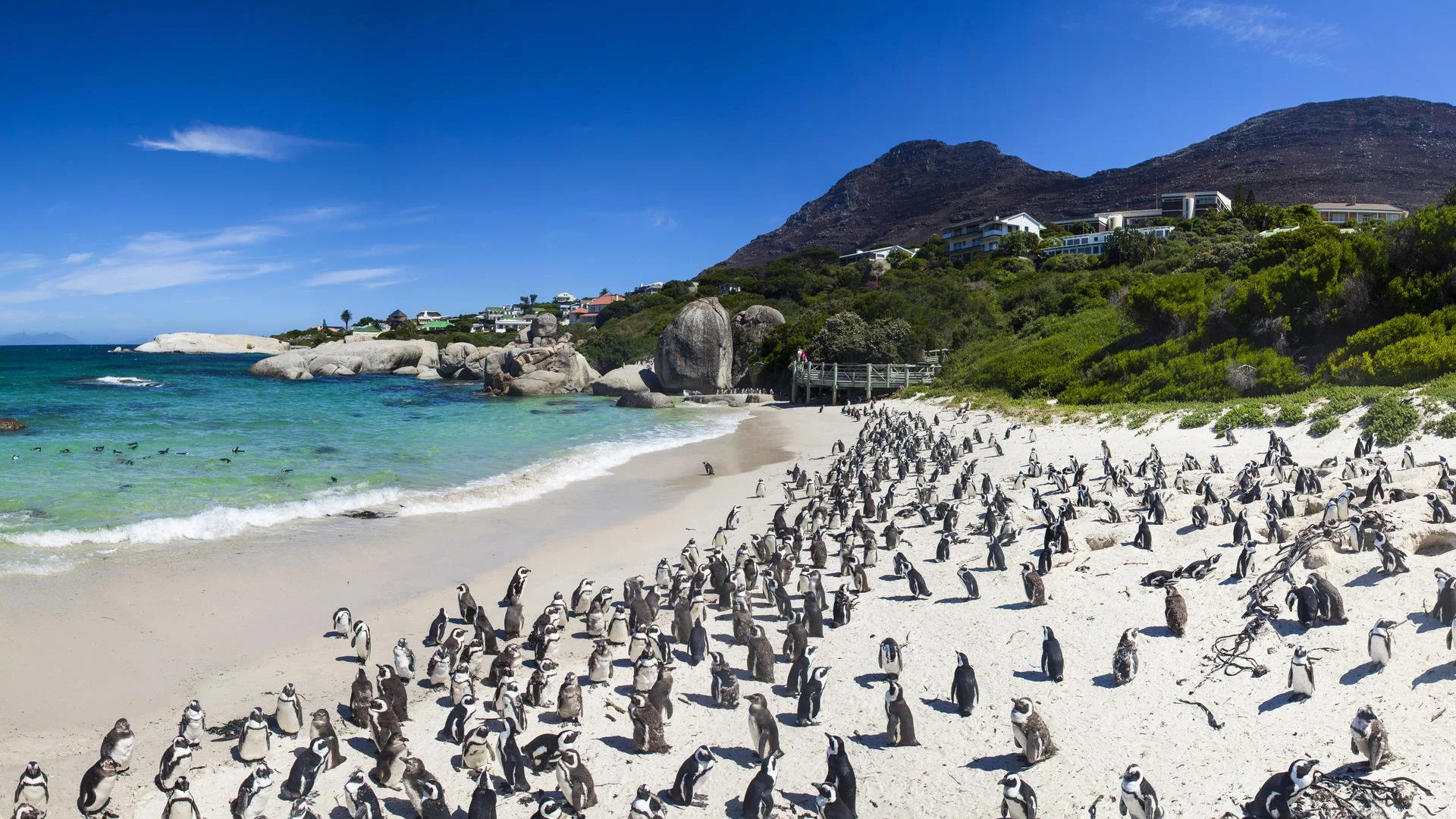
African Penguins at Boulder Beach, near Cape Town
The birds are extraordinary. So is everything else.
South Africa is not a subtle country. You know that the moment you drive along the Cape Peninsula and the ocean is on both sides of you, there are penguins on the beach ahead, and a Cape Sugarbird is sitting on a protea right next to the car. That's day one.
Fifteen days. Six regions. One of the most diverse birding itineraries in Africa. The Cape Floristic Region is one of the world's six plant kingdoms, and it produces birds that exist nowhere else on earth. The pelagic runs out of Simons Town into the Benguela current, where Wandering Albatrosses bank low over the swell and three species of storm-petrel work the wake behind the boat. The Cederberg range holds Cape Rockjumper on the rocky slopes. De Hoop puts Blue Crane in the vleis. And Kruger in October is Kruger at its best, with the summer migrants arriving and the bush still open enough to find them.
This is a fully guided, all-inclusive birding tour. Internal flights are included. All meals are included. You show up in Cape Town on October 15, and I take care of everything until you board your flight home from Johannesburg on October 29.
South Africa has more than 900 species on record. A well-run two-week trip in October, covering the Cape and Kruger, puts you at 350 to 450. Our local specialist guides know these habitats better than anyone. I'll be with the group every day. The list will be good. So will everything else.
Dates:
Dates:Oct 15–29, 2027
(14 nights, 15 days)Location:South Africa — Cape Town, Simons Town, Whale Coast, De Hoop Nature Reserve, Cederberg, Langebaan, Kruger National Park (Satara, Lower Sabie, Skukuza)
Price:$10,800 per person (double occupancy).
Includes internal flights.
If we do not reach 4 guests, every dollar including your deposit is refunded in full
Includes: All accommodations, all meals, private 4x4 safari open vehicles at Kruger, private 4×4 vehicle in Cape Town, All National Park and Reserve Fees. Two internal South African Flights & Pelagic Boat trip.
Group Size:4–10 participants
(minimum 4 required)
Difficulty Level:Easy–Moderate.
Mostly vehicle-based birding with optional short walks. No strenuous hiking required.
What to Expect: Morning pelagic in the Benguela current, Cape endemics in the fynbos, an overnight at the Cape's most remote reserve, Karoo specials on rocky plains, flamingos and waders at Langebaan, then five nights across three Kruger camps with expert local guides and two night drives.
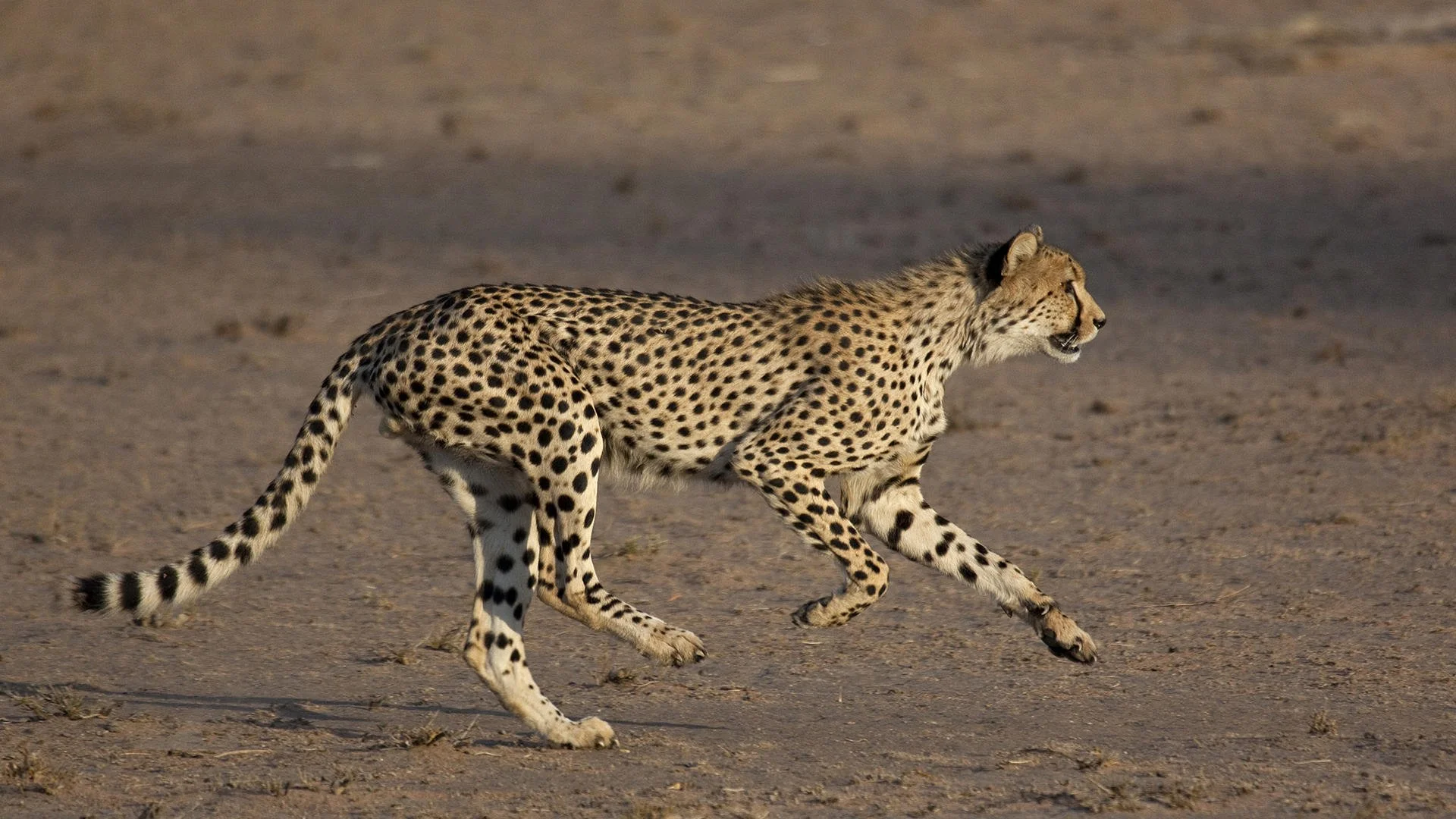
Cheetah at Kruger
Dates & Booking
Expedition Dates: Oct 15–29, 2027
Arrival Day: Oct 15, 2027 — fly into Cape Town International Airport (CPT)
Departure Day: Oct 29, 2027 — depart from OR Tambo International Airport, Johannesburg (JNB). Internal flight from Skukuza Airport (SZK) is included.
Price: $10,800 per person (double occupancy). Includes internal flights.
Hold your spot with a $1,000 deposit
Single Supplement: $950
Travelling solo? I match roommates so you can pay the double occupancy rate.
Group Size: Minimum 4 participants, maximum 10. If we do not reach 4 guests, every dollar including your deposit is refunded in full.
Important Note on the Pelagic Trip
A full-day pelagic boat trip out of Simons Town is included in your tour cost. This trip runs on the most weather-favorable day during our time in the Cape (typically Day 2), with Day 3 held as a backup. Pelagic conditions depend on wind and sea state, and our local pelagic team will make the call on timing. If weather prevents both days, we will use the time for additional Cape birding.Daily Itinerary
-
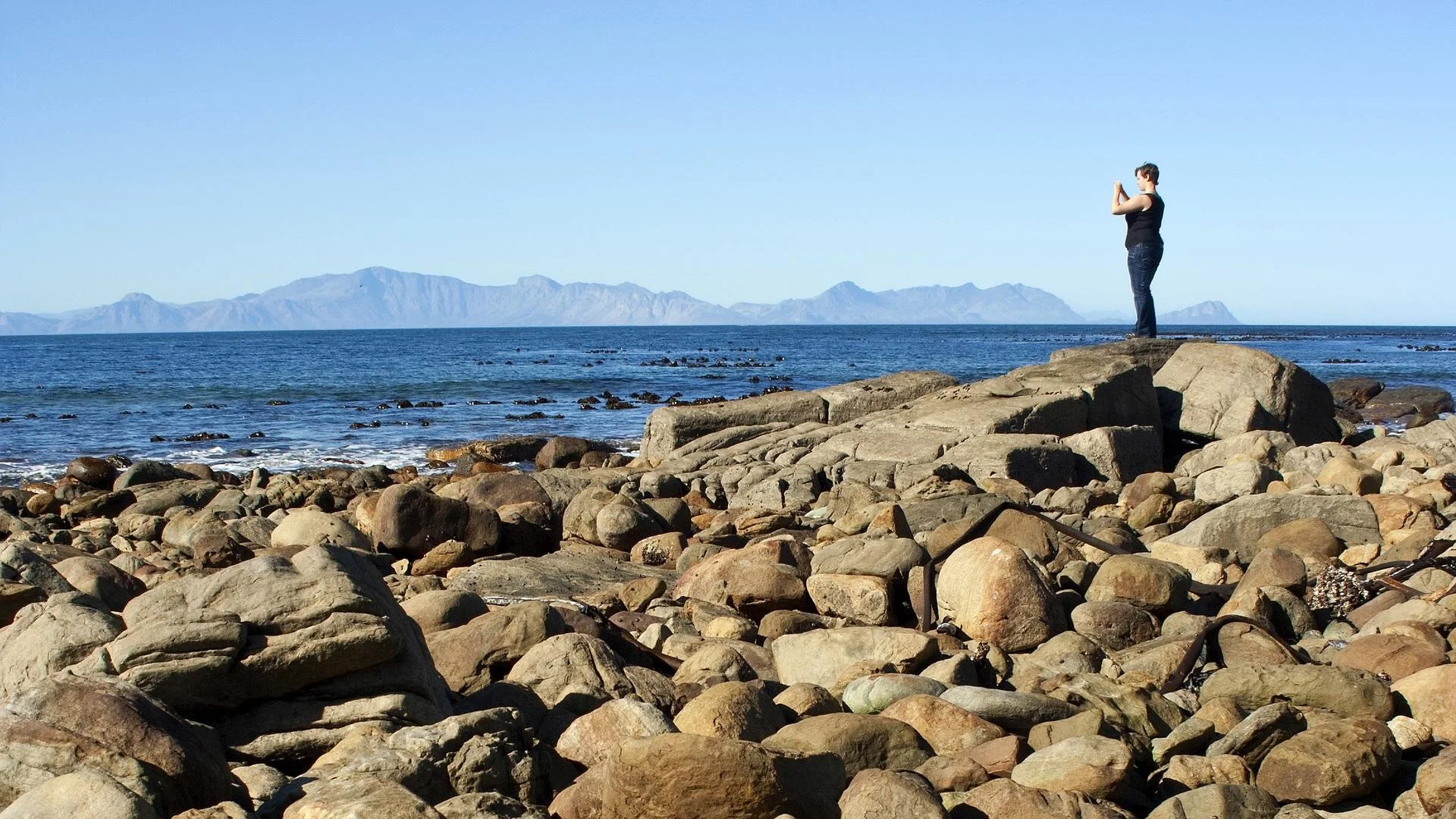
Simons Town sits on the False Bay side of the Cape Peninsula, backed by mountains and fronted by one of the great seabird habitats in the world.
The Boulder's Beach African Penguin colony is five minutes from the guesthouse. The colony was established in 1983 and is one of only two mainland-breeding colonies of the species. It is possible, on the right morning, to sit at close range with penguins while Cape Gannets fly overhead and White-backed Mousebird work the vegetation behind you.
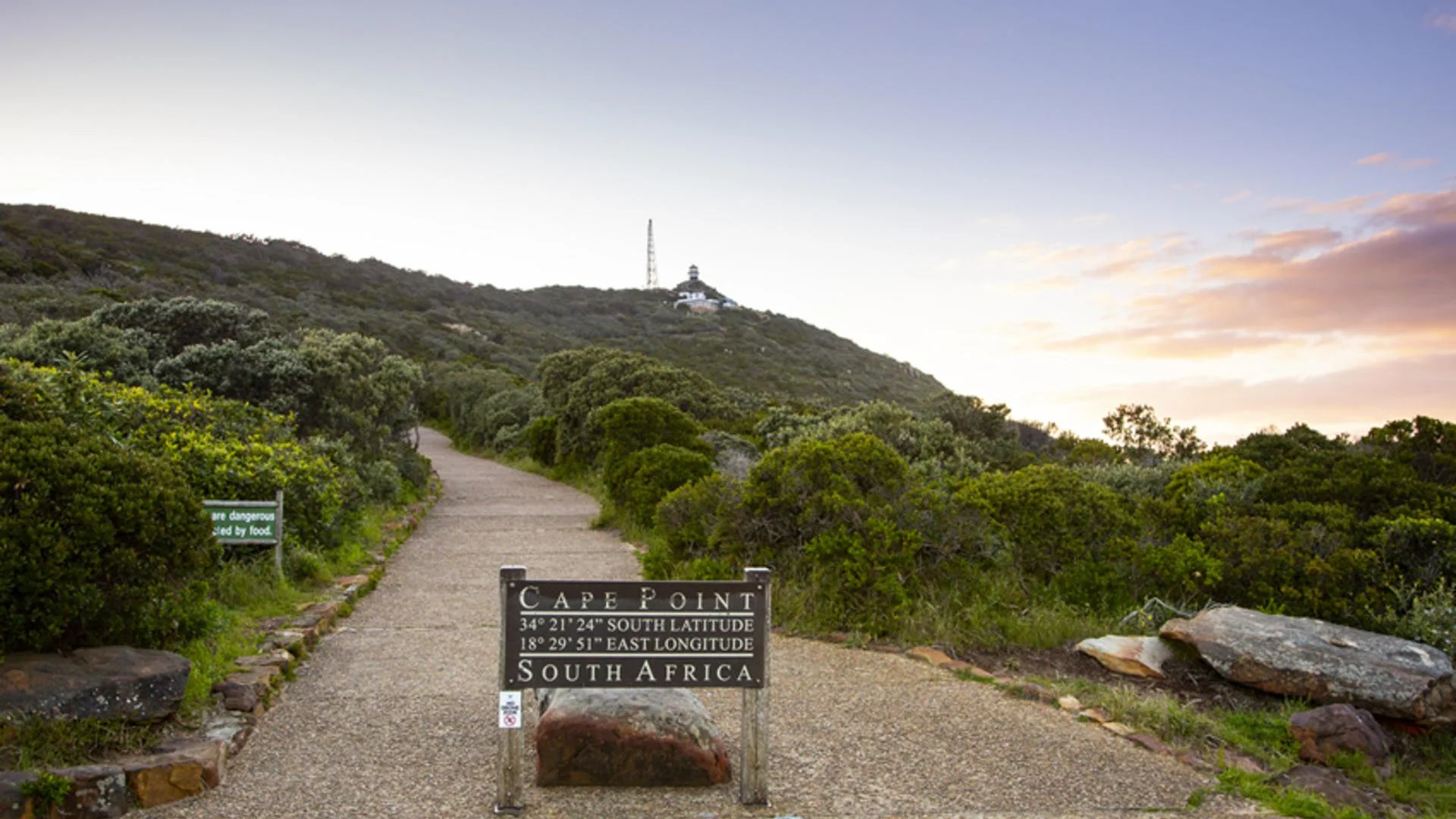
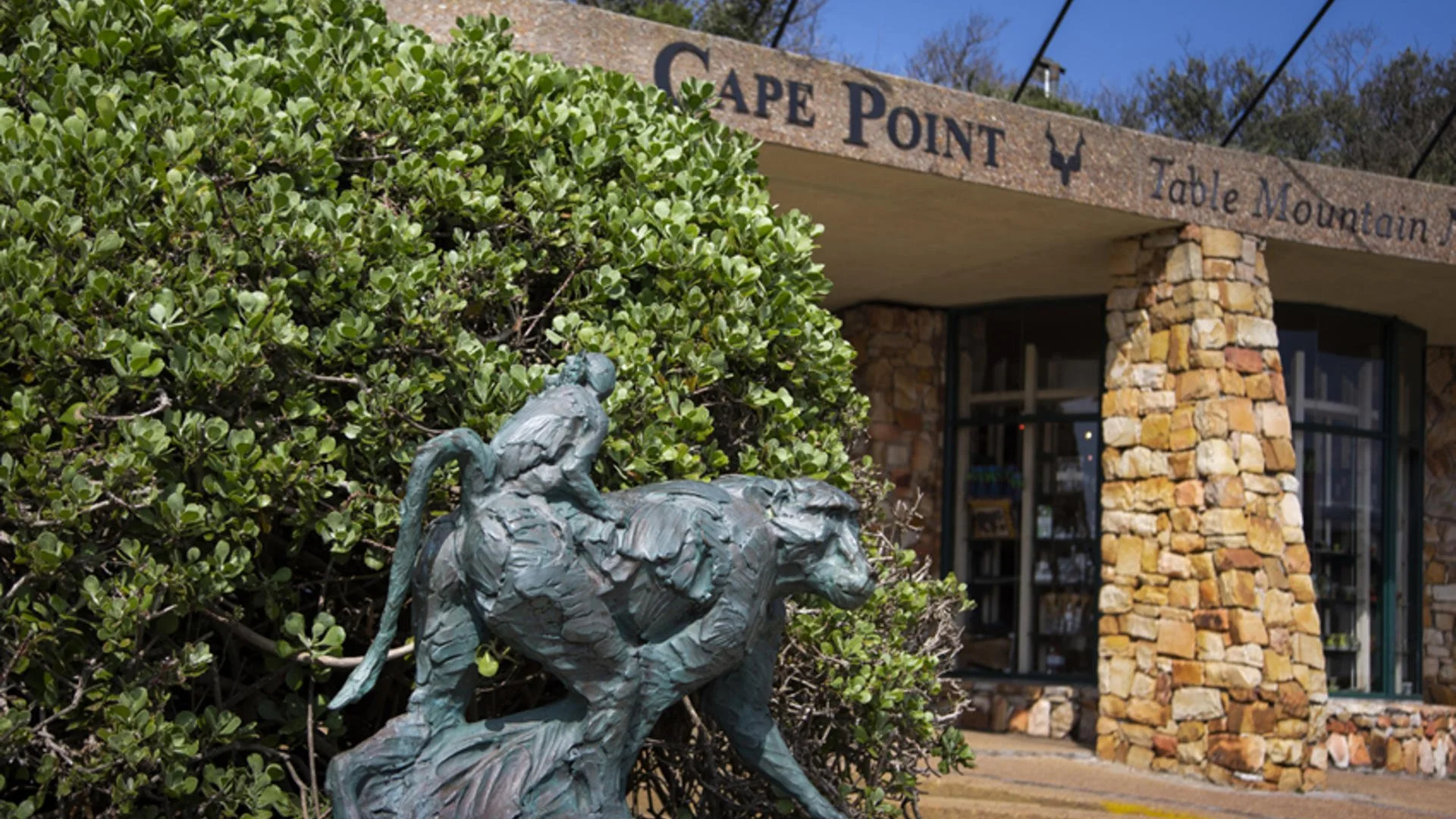
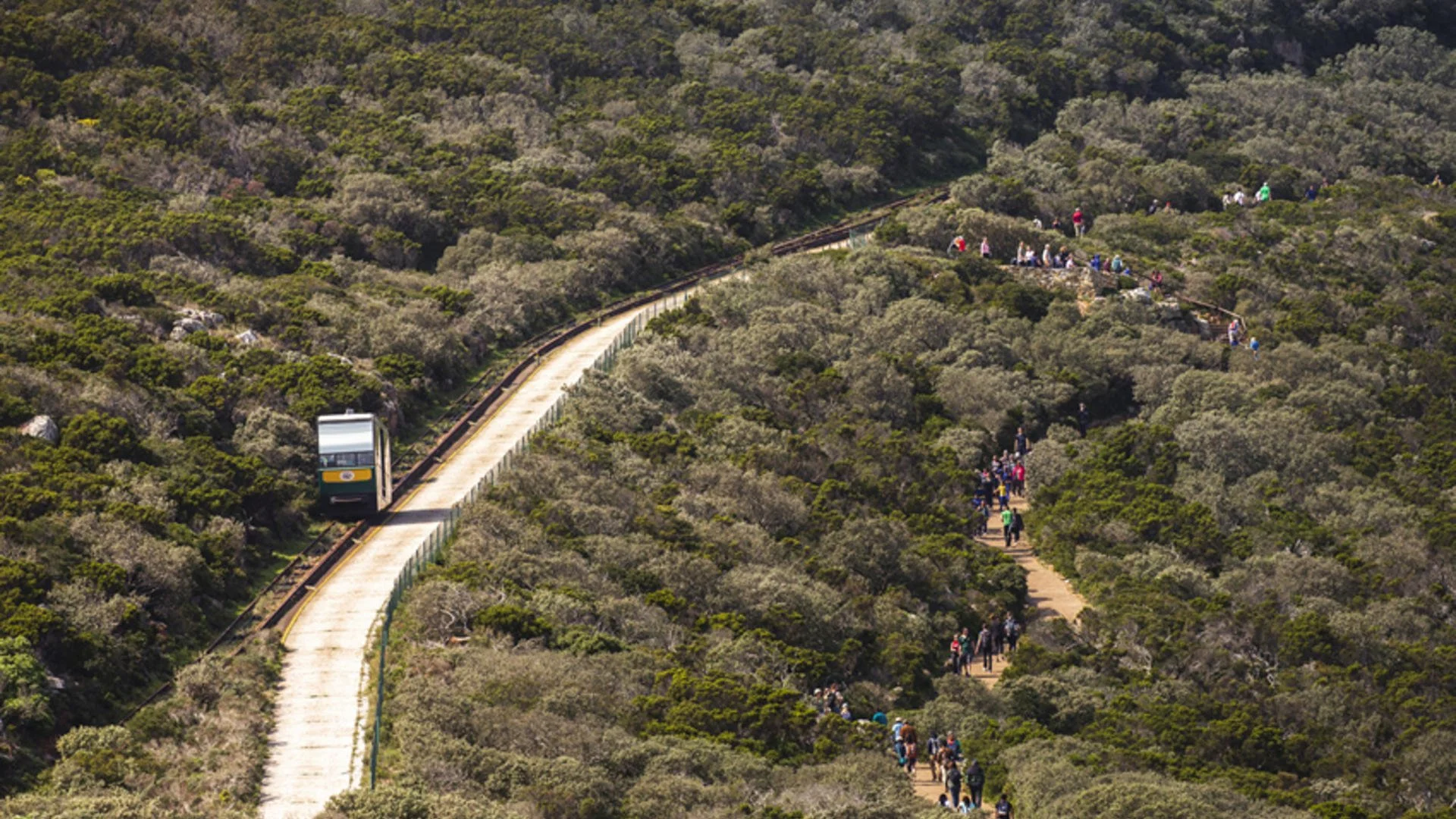
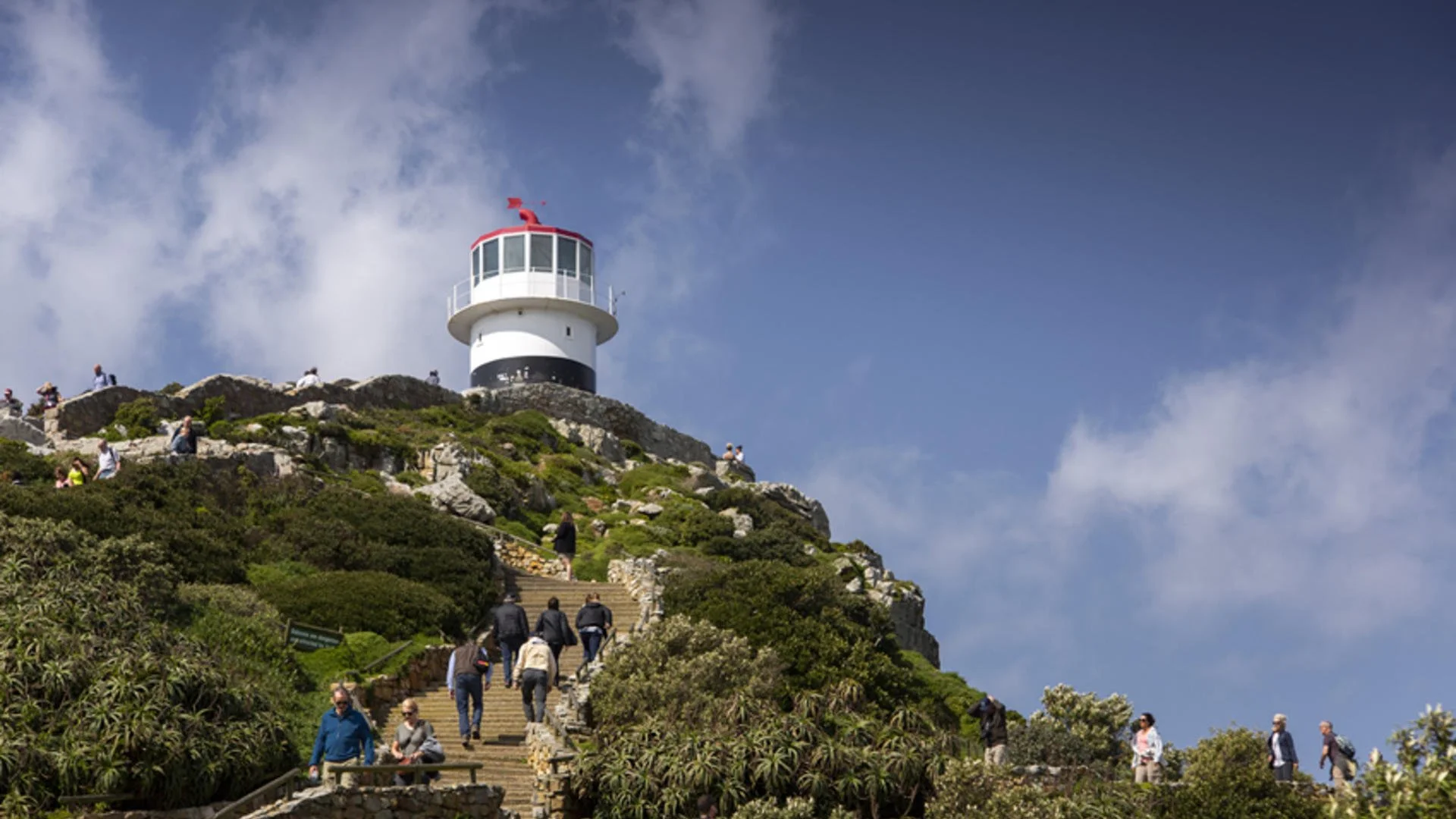
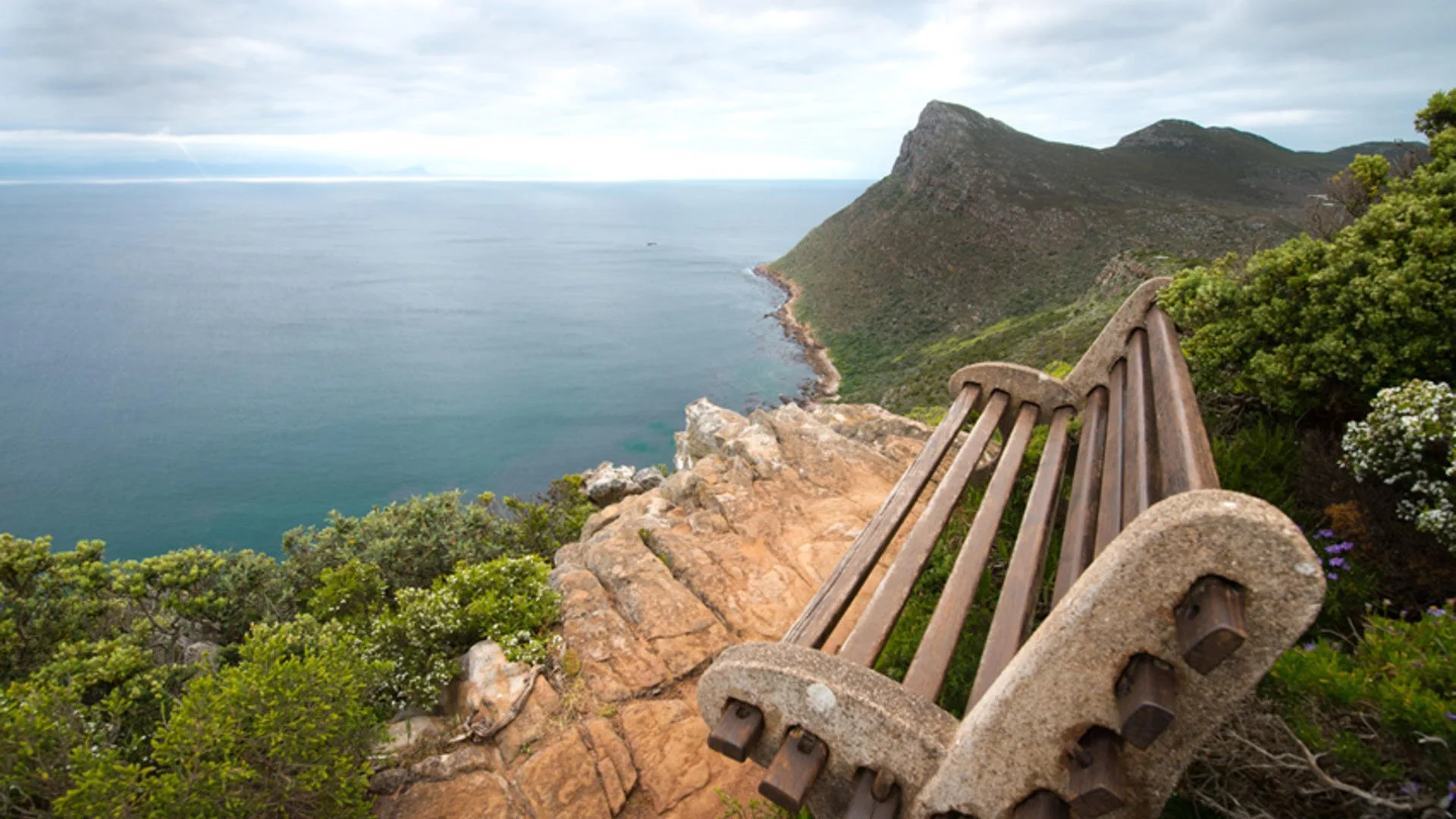
Cape Point Nature Reserve, at the southern tip of the Peninsula, covers classic fynbos habitat: Protea, Leucospermum, and Restio running up the rocky slopes, with Cape Sugarbird and Orange-breasted Sunbird at every flowering bush. Ground Woodpecker works the boulders. Cape Grassbird calls from the scrub. Rock Kestrel and Peregrine Falcon hunt the cliffs.
Kirstenbosch National Botanical Garden, on the lower slopes of Table Mountain, is one of the finest birding gardens in the world. Lemon Dove, African Goshawk, Rufous-chested Sparrowhawk, Olive Thrush, Cape Robin-Chat, and the full suite of Cape sunbirds. We will visit if arrival time allows on Day 1.
Accommodations:
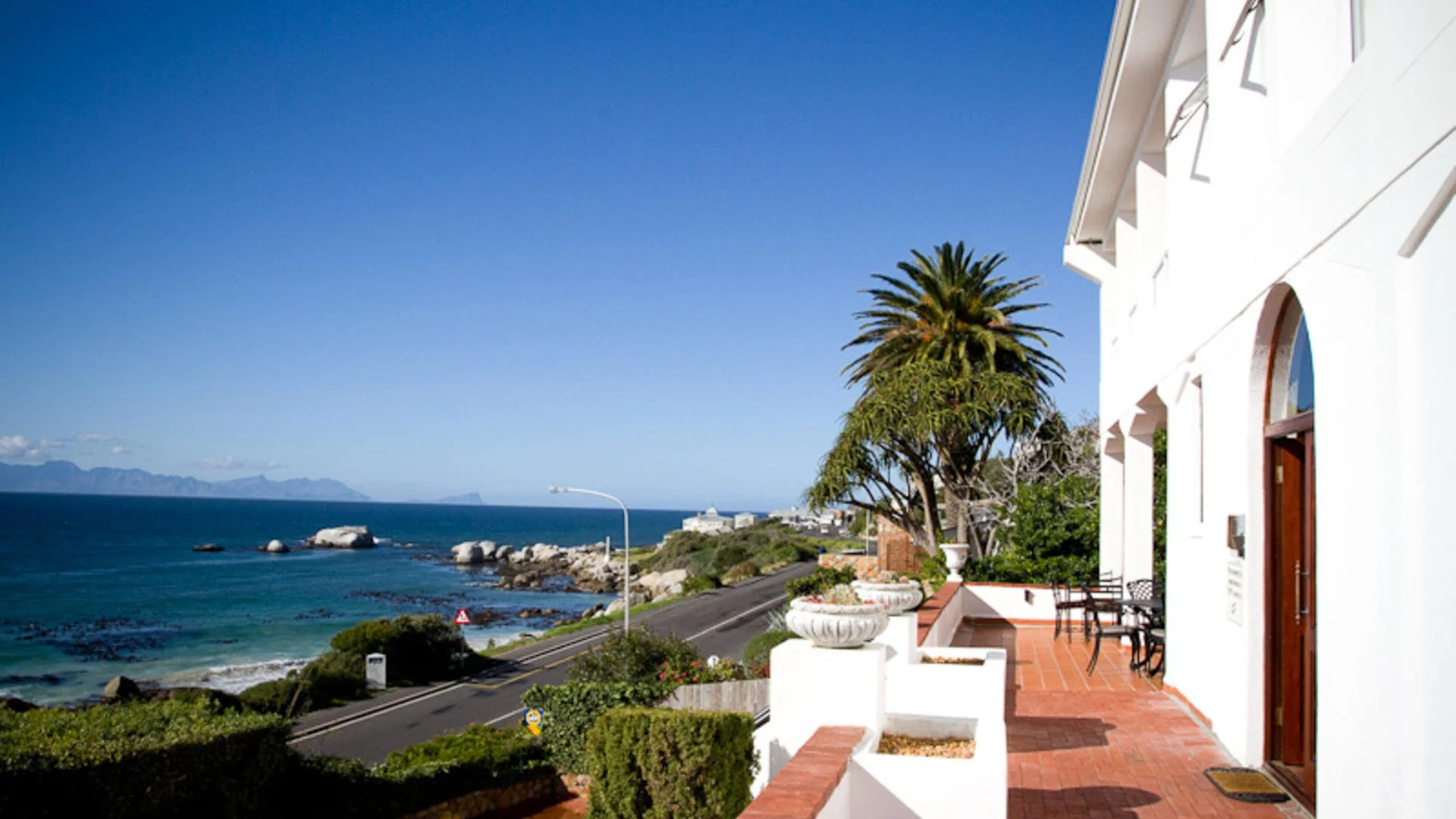
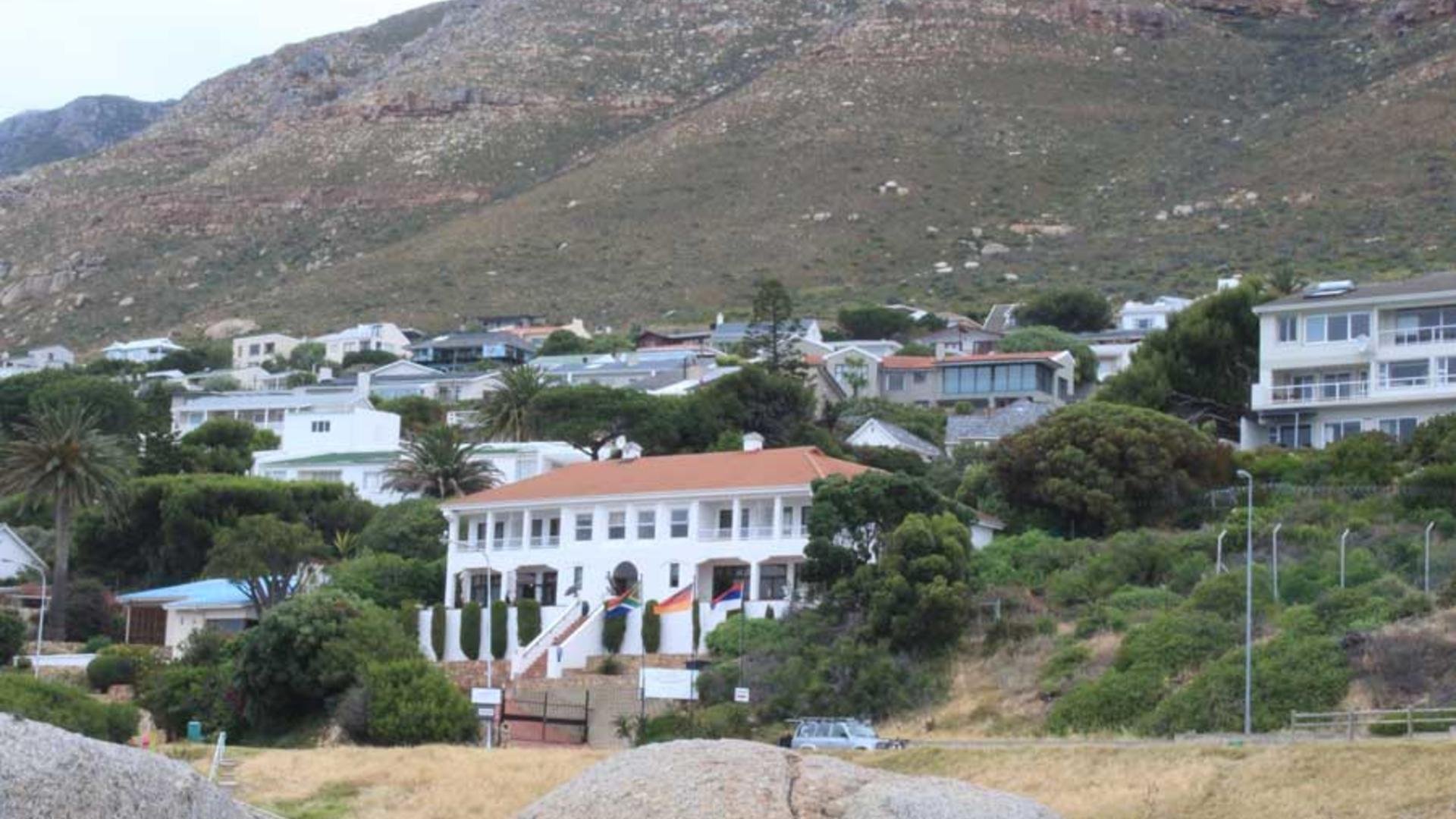
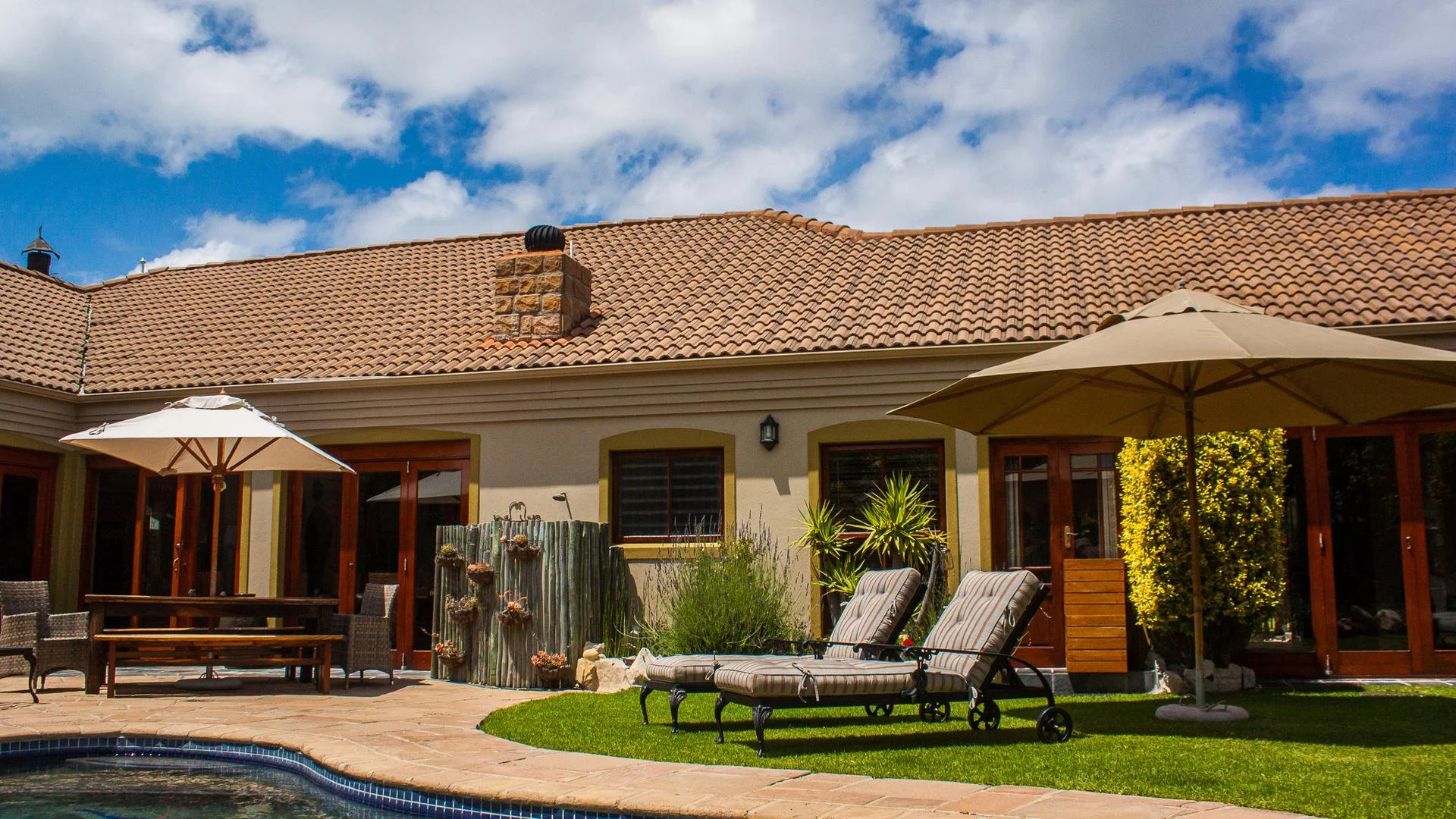
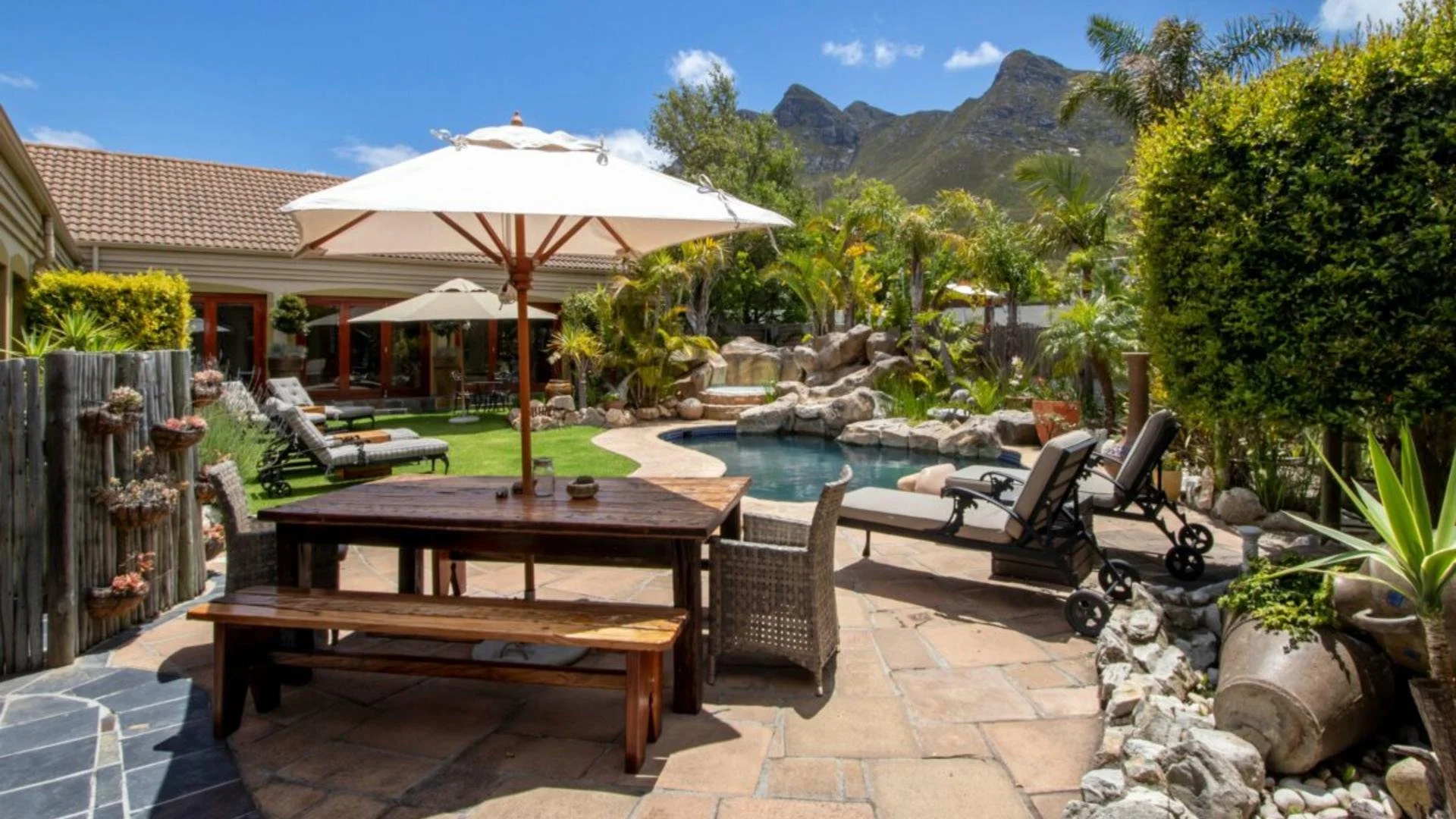
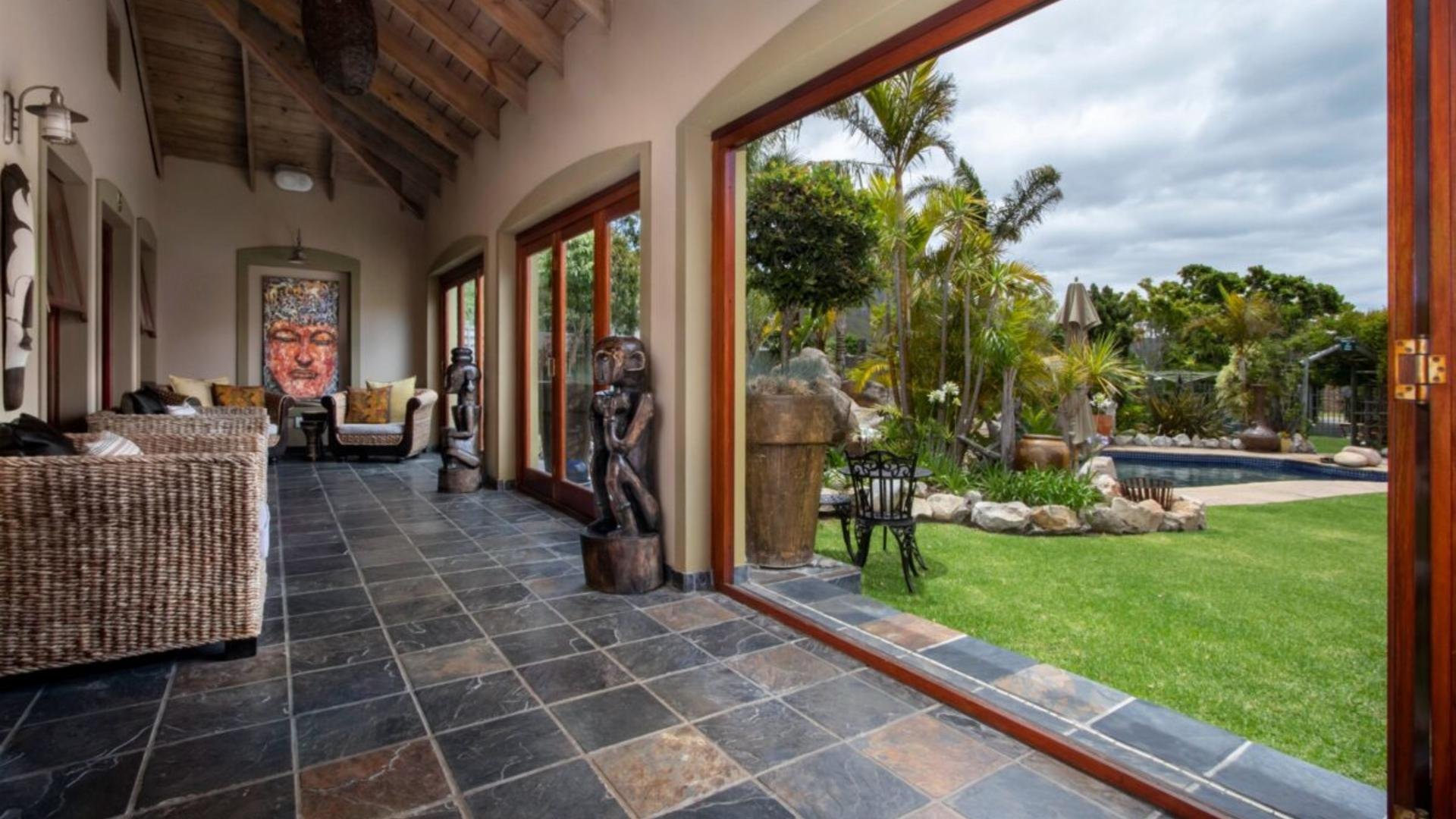
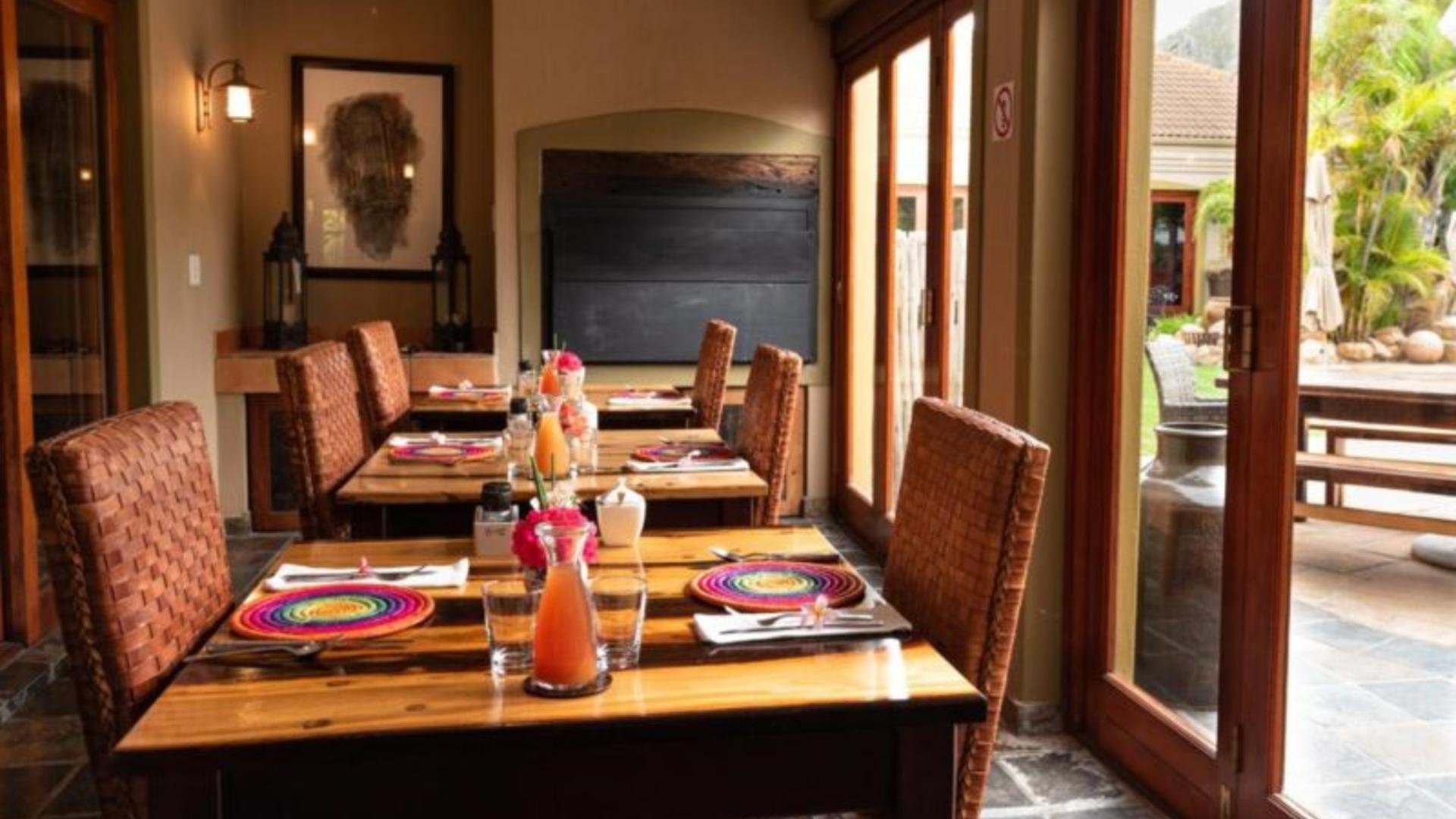
Whale View Manor Guest House
Target Species:
African Penguin, Cape Sugarbird, Orange-breasted Sunbird, Ground Woodpecker, Cape Grassbird, Lemon Dove, Peregrine Falcon, Cape Gannet (offshore)
-
Oct 16 or 17 | Full-day boat trip from Simons Town
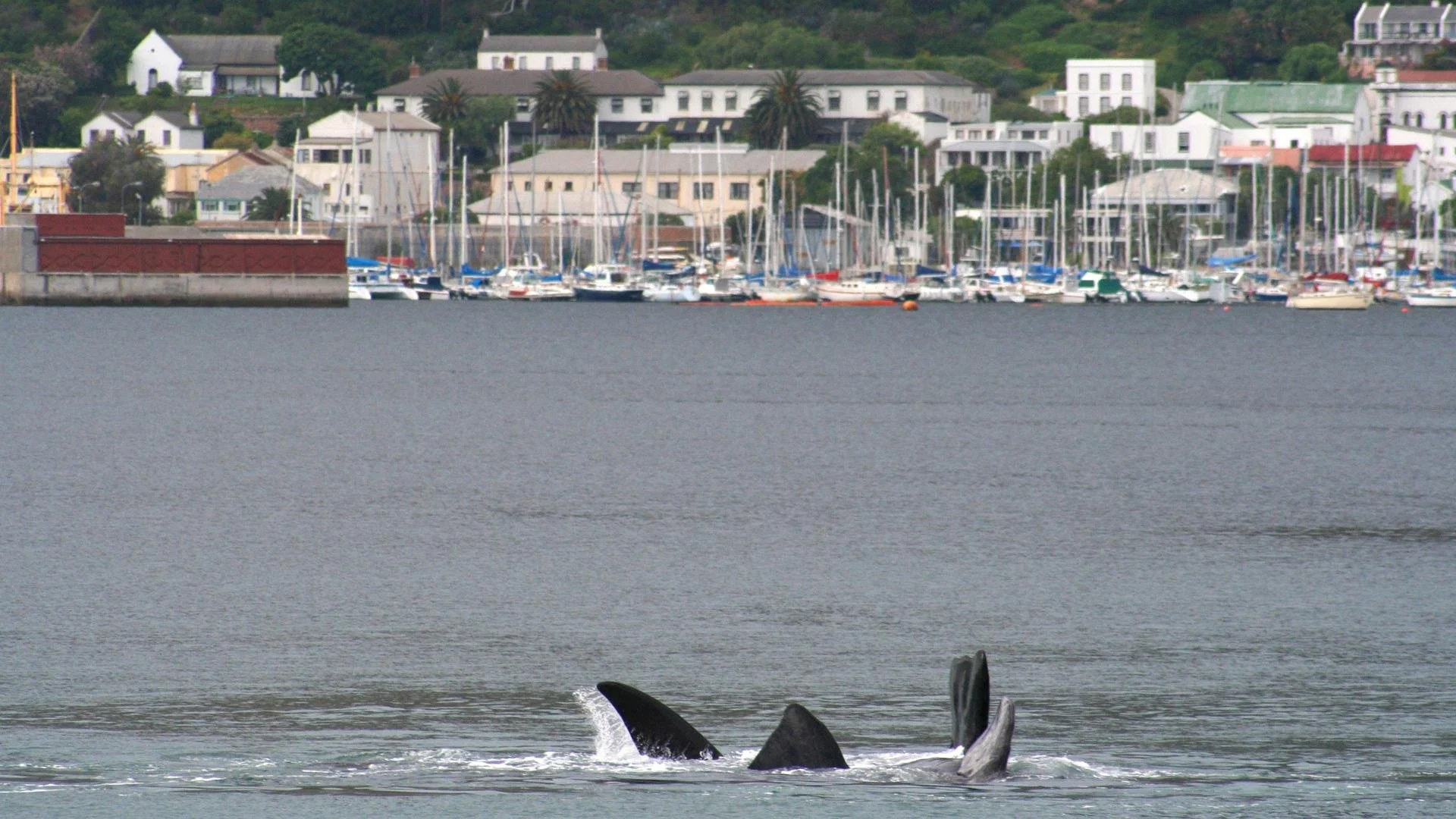
The pelagic trip is the centerpiece of the Cape section. We head offshore into the Benguela current aboard a dedicated pelagic birding vessel with experienced local guides. The chum trail brings the birds in close. Albatrosses, petrels, shearwaters, and storm-petrels respond from remarkable range.
October is excellent timing: Wandering Albatross, Black-browed Albatross, and Shy Albatross are all regular. Cape Petrel is almost guaranteed. Sooty Shearwater, Flesh-footed Shearwaters, and Wilson's Storm-Petrel work the wake. Subantarctic Skua is possible. This is world-class pelagic birding, accessible from shore on a single day.
A backup day is built into the schedule. Our local team picks the better weather window.
Target Species:
Wandering Albatross, Black-browed Albatross, Shy Albatross, Cape Petrel, Sooty Shearwater, Wilson's Storm-Petrel, Subantarctic Skua
-
The transit day from Simon's Town is not a travel day. Strandfontein Wetlands, just outside Cape Town, are large water-treatment ponds that attract prolific waterbird diversity: Greater Flamingo, Cape Teal, Maccoa Duck, Cape Shoveler, and Southern Pochard. We scope from the road in classic style.
Rooi Els, a small village on the southern edge of False Bay, is the best reliable site for Cape Rockjumper in the region. The birds hold territory on the steep rocky slopes above town. The drive there, along the winding coastal road with the Kogelberg Range on one side and the Atlantic on the other, is one of the most scenic in the Cape.
Accommodations:
Villa Chad, Kleinmond
Target Species:
Cape Rockjumper, Greater Flamingo, Maccoa Duck, Cape Shoveler, Southern Pochard
-
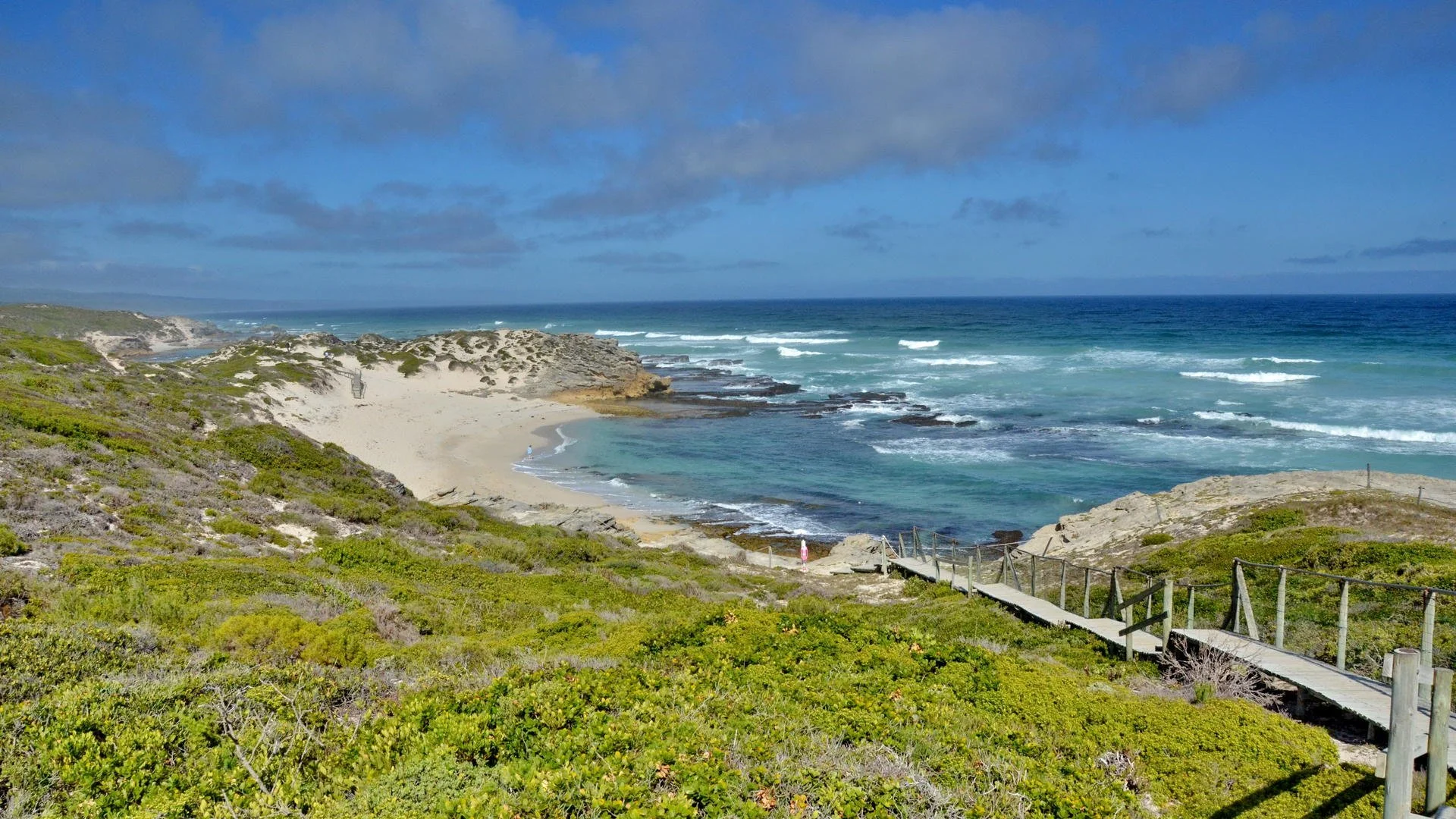
De Hoop is a large coastal reserve on the southern tip of Africa, with limestone hills, rolling fynbos plains, and the De Hoopvlei, a huge inland lagoon that holds exceptional waterbird numbers.
We drive via Cape Agulhas, the true southern tip of the African continent, before settling into the reserve for two days.
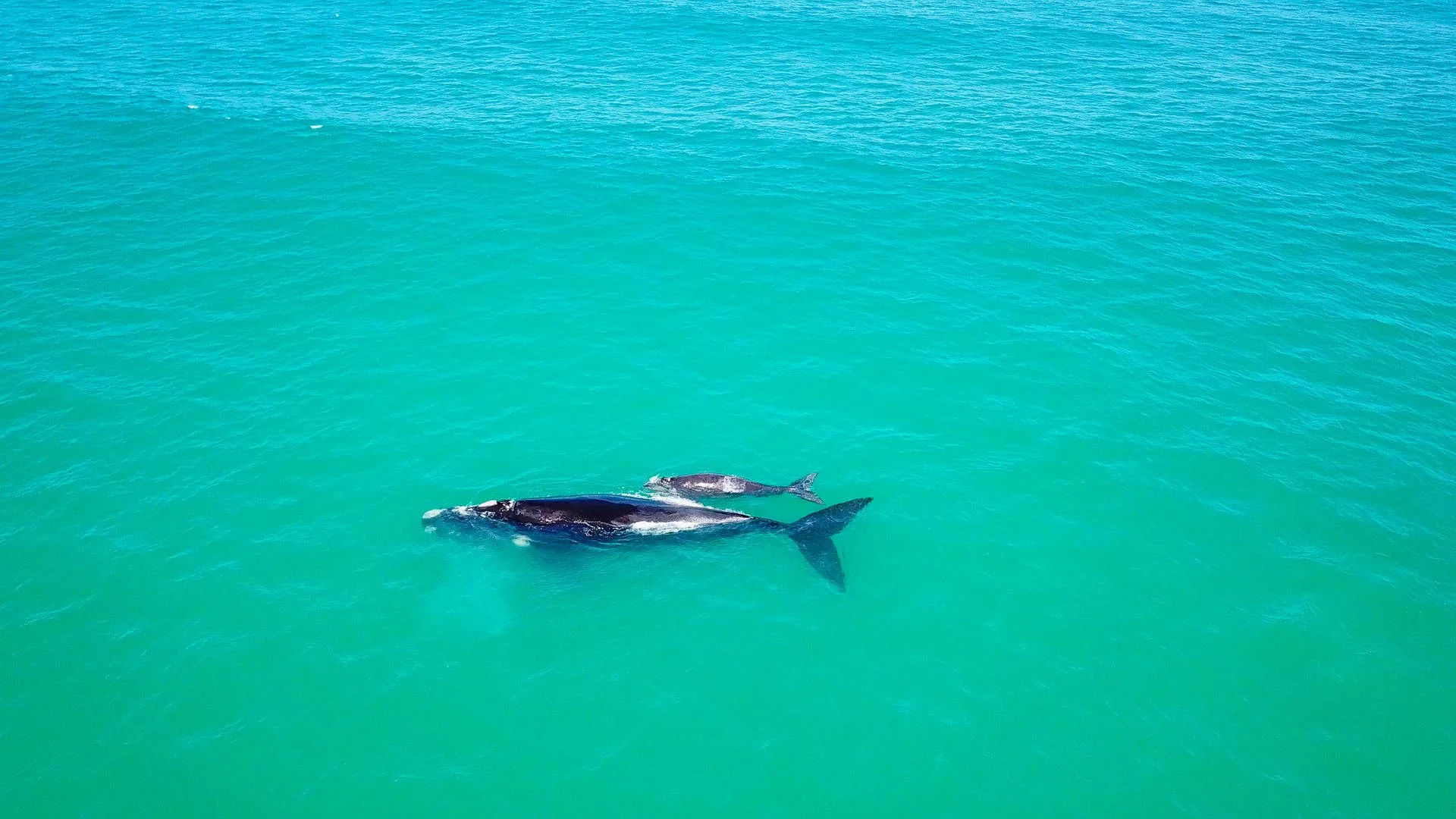
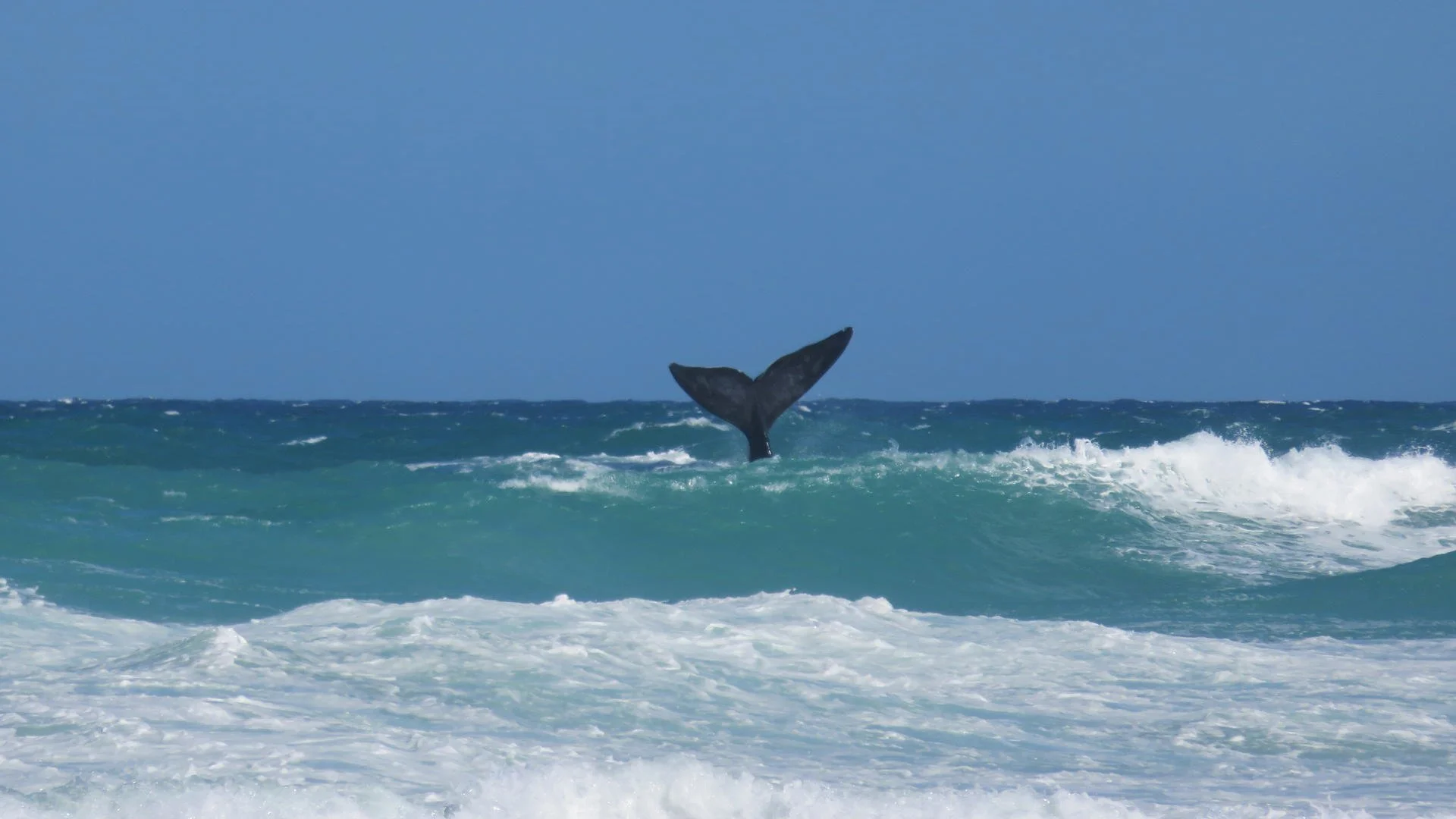
The open habitats here are prime Blue Crane country. South Africa's national bird strides the vleis in groups, and Wattled Crane, a globally threatened species, is also present. Bontebok, the endemic antelope of the Cape, is common. Knysna Woodpecker, Southern Tchagra, Capped Wheatear, Namaqua Sandgrouse, and Horus Swift are on the target list. Between July and December, Southern Right Whale is visible from shore.
Accommodation:
De Hoop Collection
Target Species:
Blue Crane, Wattled Crane, Knysna Woodpecker, Namaqua Sandgrouse, Capped Wheatear, Southern Tchagra, African Oystercatcher
-
The Cederberg is burnt-orange sandstone mountains, San rock art, and deep silence. Ceres sits in a fertile valley on the wetter side of the range.
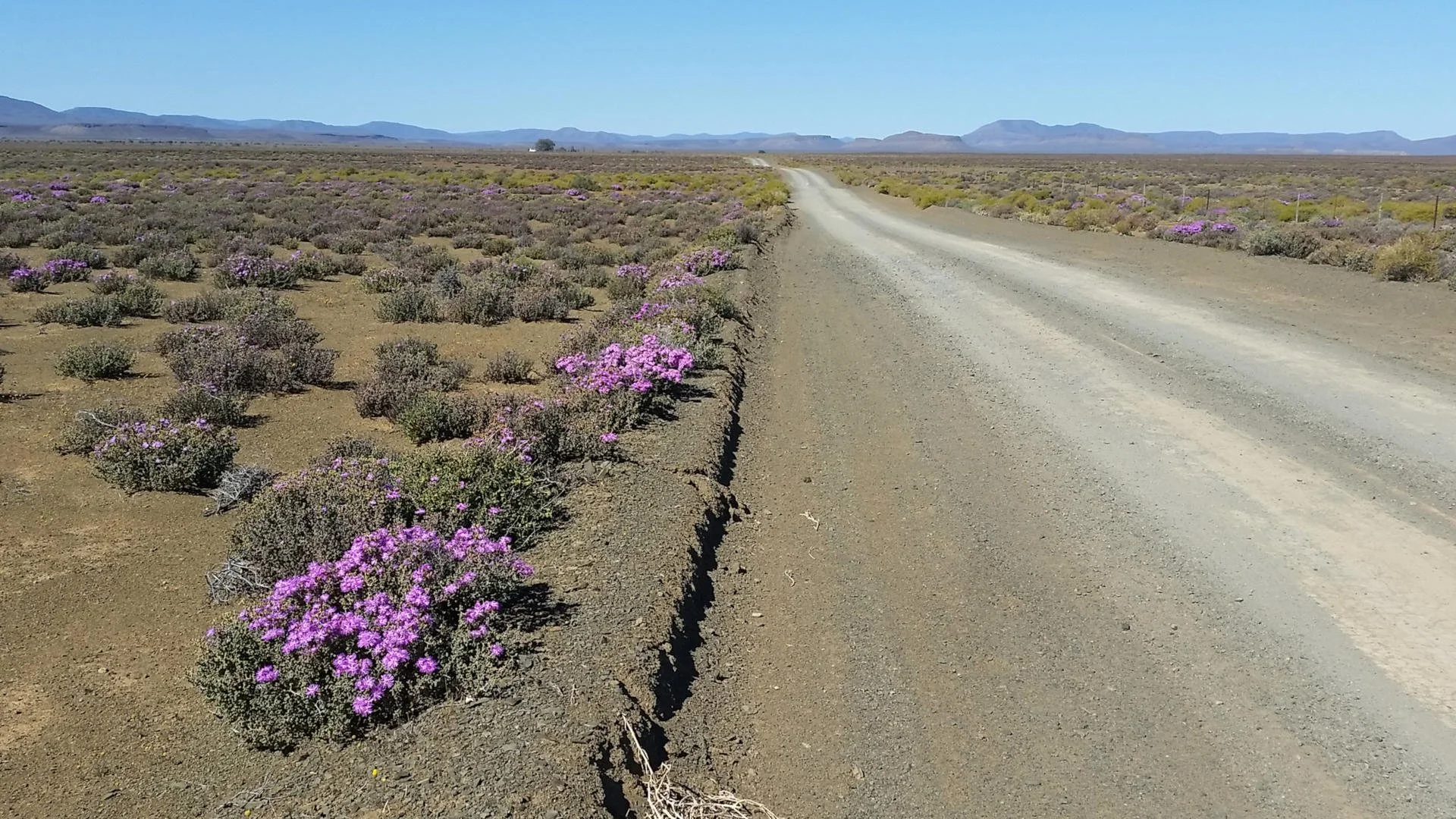
We use it as a base for a full-day excursion into the Tankwa Karoo, one of the most desolate and rewarding birding environments in southern Africa.
The Tankwa Karoo is gravel plains, rocky outcrops, and wide-open sky. It holds a remarkable list of endemics and near-endemics. Verreaux's Eagle soars the cliffs. Black-eared Sparrowlark, Black-headed Canary, Karoo Eremomela, Namaqua Warbler, and the highly sought Cinnamon-breasted Warbler are all targets. Fairy Flycatcher works the scrub. Karoo Korhaan calls from the plain. We carry packed meals and return at dusk.
Gydo Pass, on the edge of the Cederberg, is the best site for Protea Seedeater. We stop on arrival and again on departure morning.
Accommodation:
The Village Restaurant & Guesthouse, Ceres
Target Species:
Verreaux's Eagle, Cinnamon-breasted Warbler, Protea Seedeater, Fairy Flycatcher, Karoo Eremomela, Namaqua Warbler, Karoo Korhaan, Black-eared Sparrowlark
-
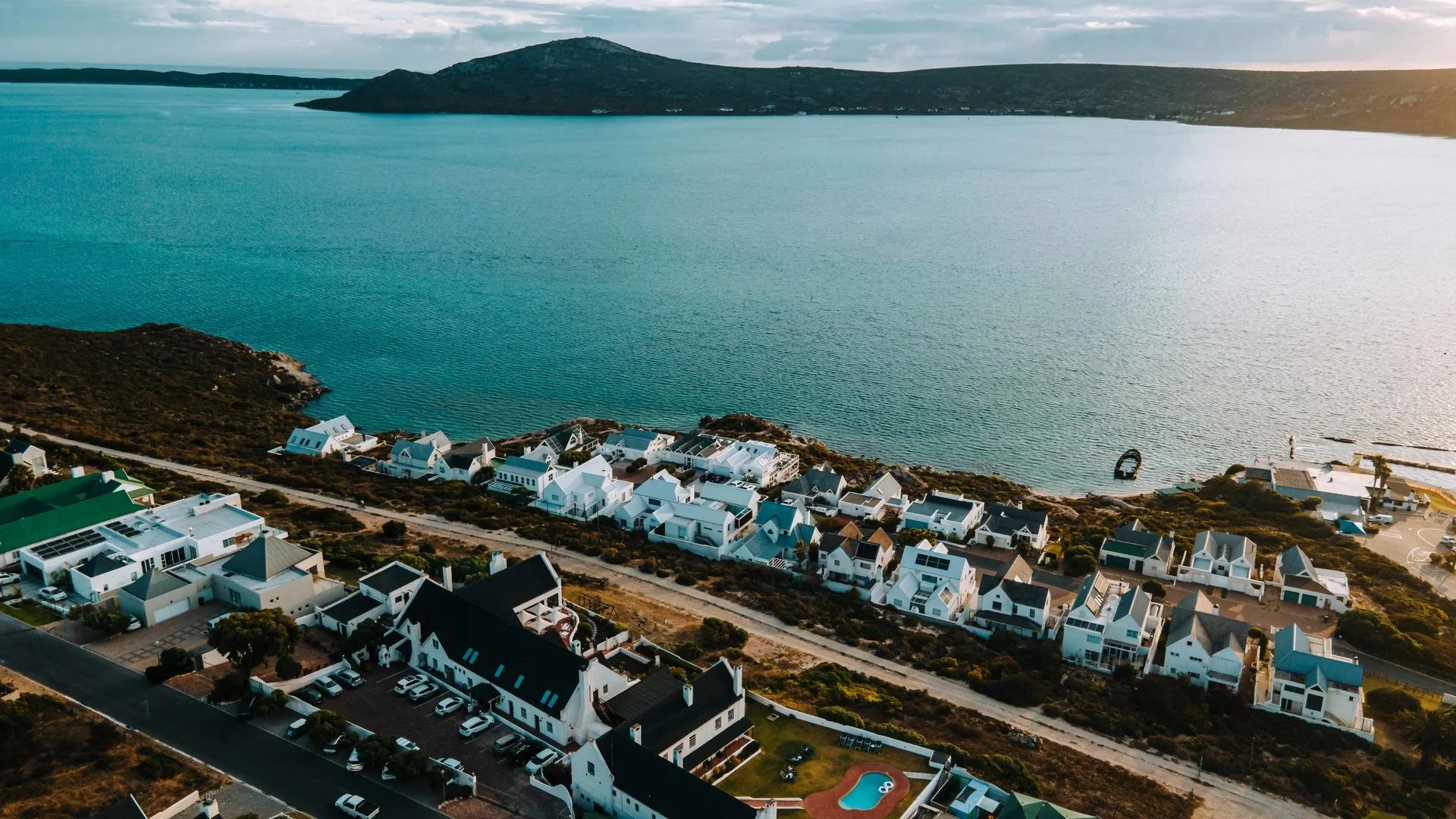
Langebaan Lagoon sits inside West Coast National Park, 120 kilometres north of Cape Town. The shallow azure lagoon is a critical habitat for migratory shorebirds, and the tidal mudflats hold exceptional numbers.
We bird the shoreline for Curlew Sandpiper, Bar-tailed Godwit, Ruddy Turnstone, and Sanderling alongside resident African Black Oystercatcher.
The surrounding Strandveld habitat produces its own specialists: Black Harrier, Southern Black Korhaan, Cape Long-billed Lark, Karoo Lark, Cape Penduline-Tit, and Cape Weaver. Bat-eared Fox, Springbok, and Cape Mountain Zebra are common in the park. Flamingos, both Greater and Lesser, work the shallows.
Accommodation:
The Farmhouse Hotel, Langebaan
Target Species:
Greater Flamingo, Lesser Flamingo, Black Harrier, Southern Black Korhaan, African Oystercatcher, Cape Long-billed Lark, Palearctic waders
-
We fly into Hoedspruit and switch to open safari vehicles at Orpen Gate.
Satara sits in the central Kruger, on open plains that are superb for large mammals and grassland birds. The north of camp holds stands of Leadwood along creek beds, where roosting Verreaux's Eagle-Owl is a regular find. The Witpens watering trough draws all five vulture species and is a spectacle on any morning.
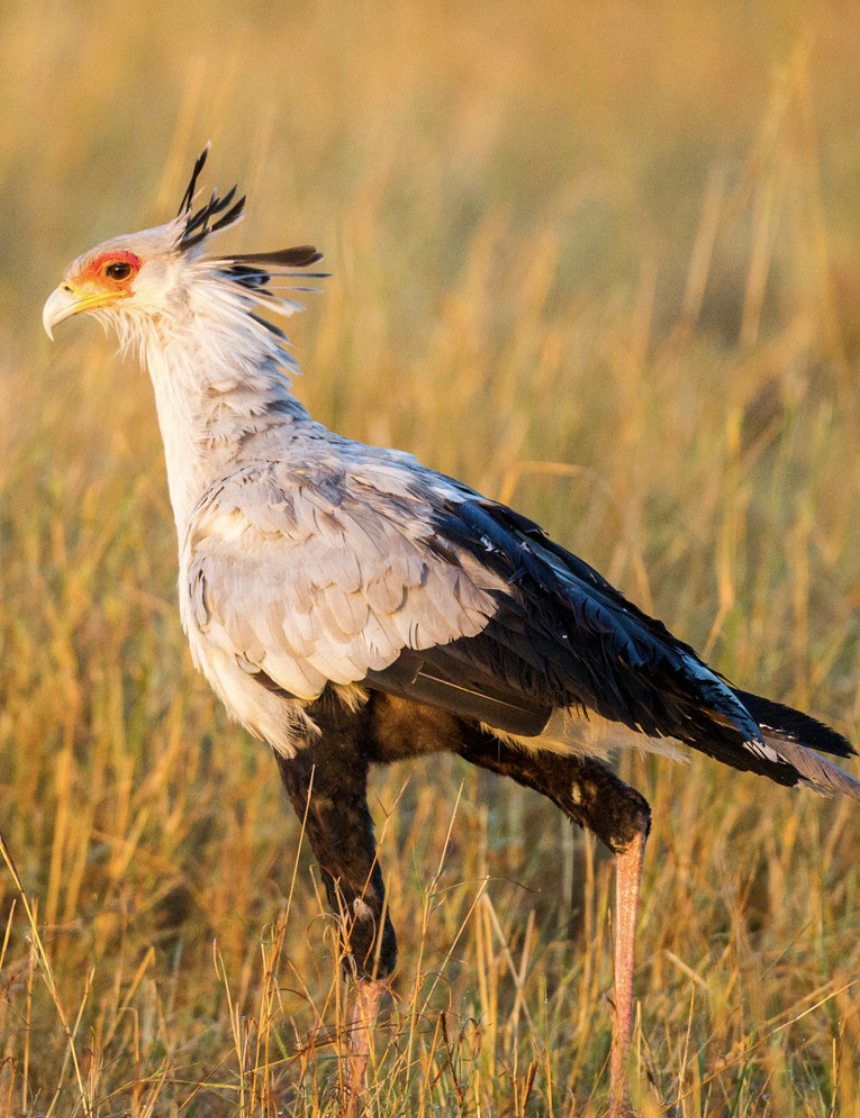
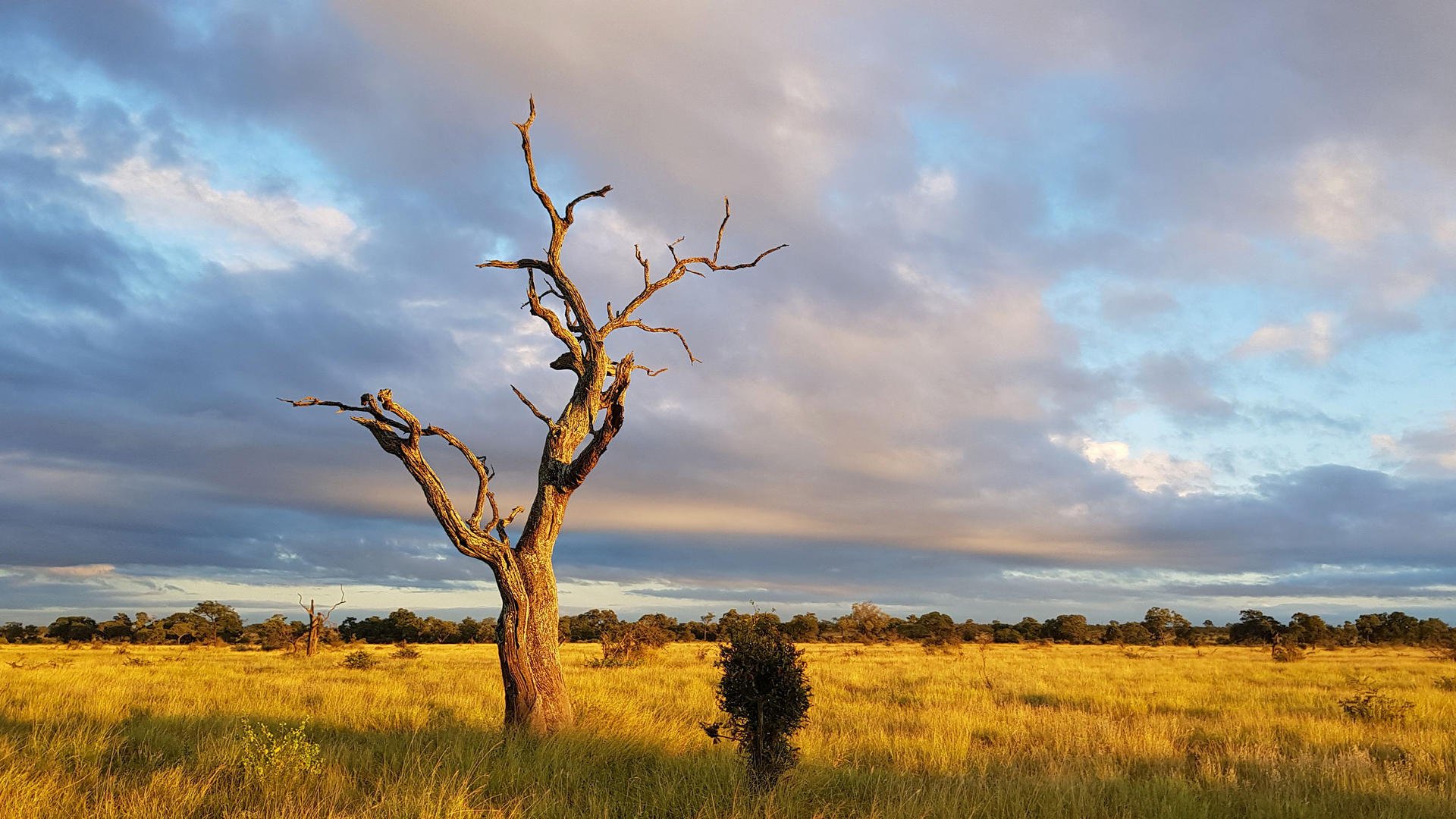
In October, the summer migrants are arriving. Woodland Kingfisher, Lilac-breasted Roller, and Southern Carmine Bee-eater are back. Common Ostrich, Kori Bustard, Secretarybird, and Chestnut-backed Sparrowlark work the plains north of camp.
A National Park night drive is available and highly recommended. Barn Owl, Pearl-spotted Owlet, Spotted Eagle-Owl, and Verreaux's Eagle-Owl are all possible after dark.
Accommodation:
Satara Rest Camp
Target Species:
Southern Carmine Bee-eater, Lilac-breasted Roller, Woodland Kingfisher, Secretarybird, Kori Bustard, Verreaux's Eagle-Owl, Bateleur
-
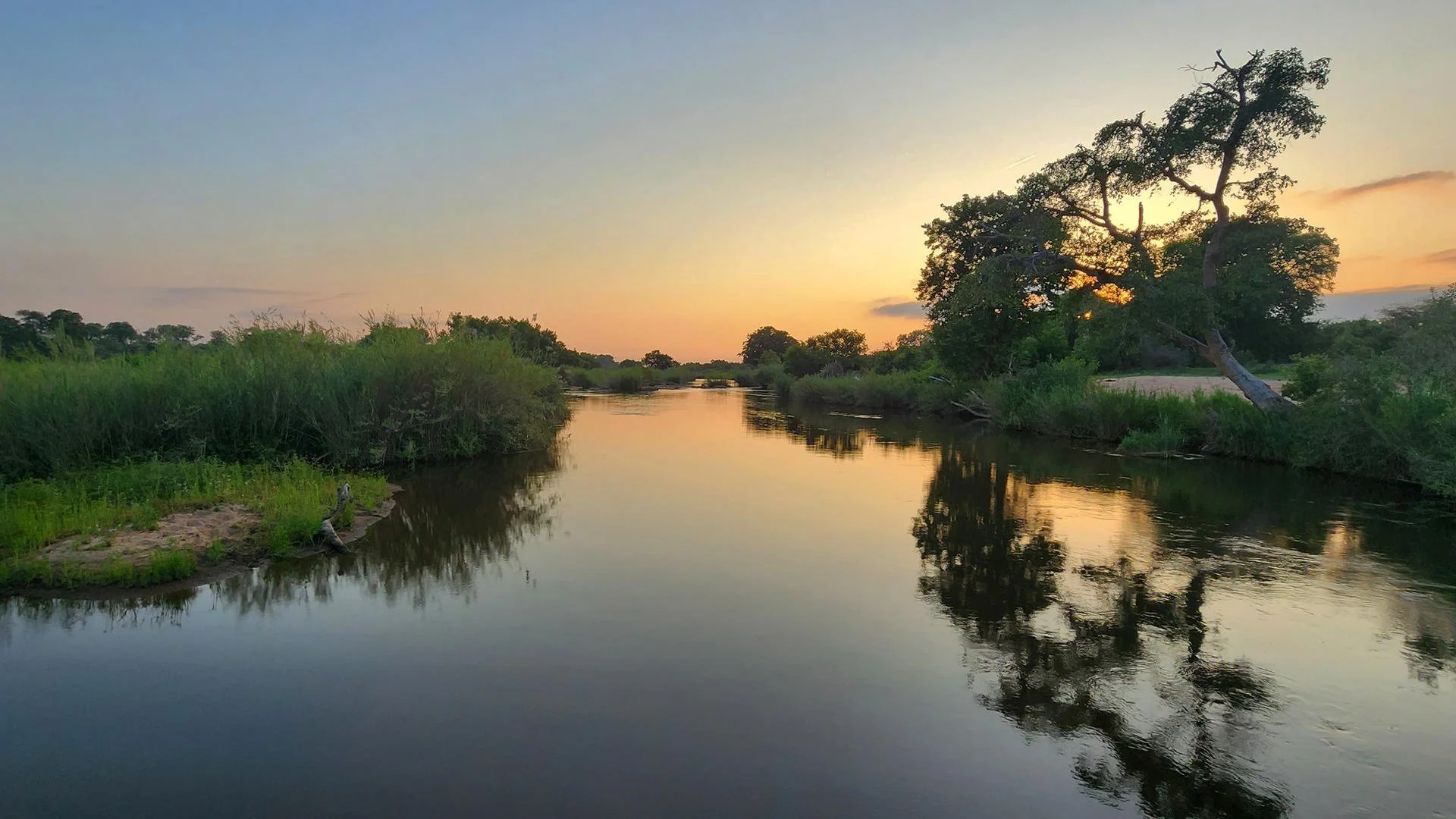
Lower Sabie is one of the most consistently rewarding camps in Kruger, set on the Sabie River in the southeast of the park.
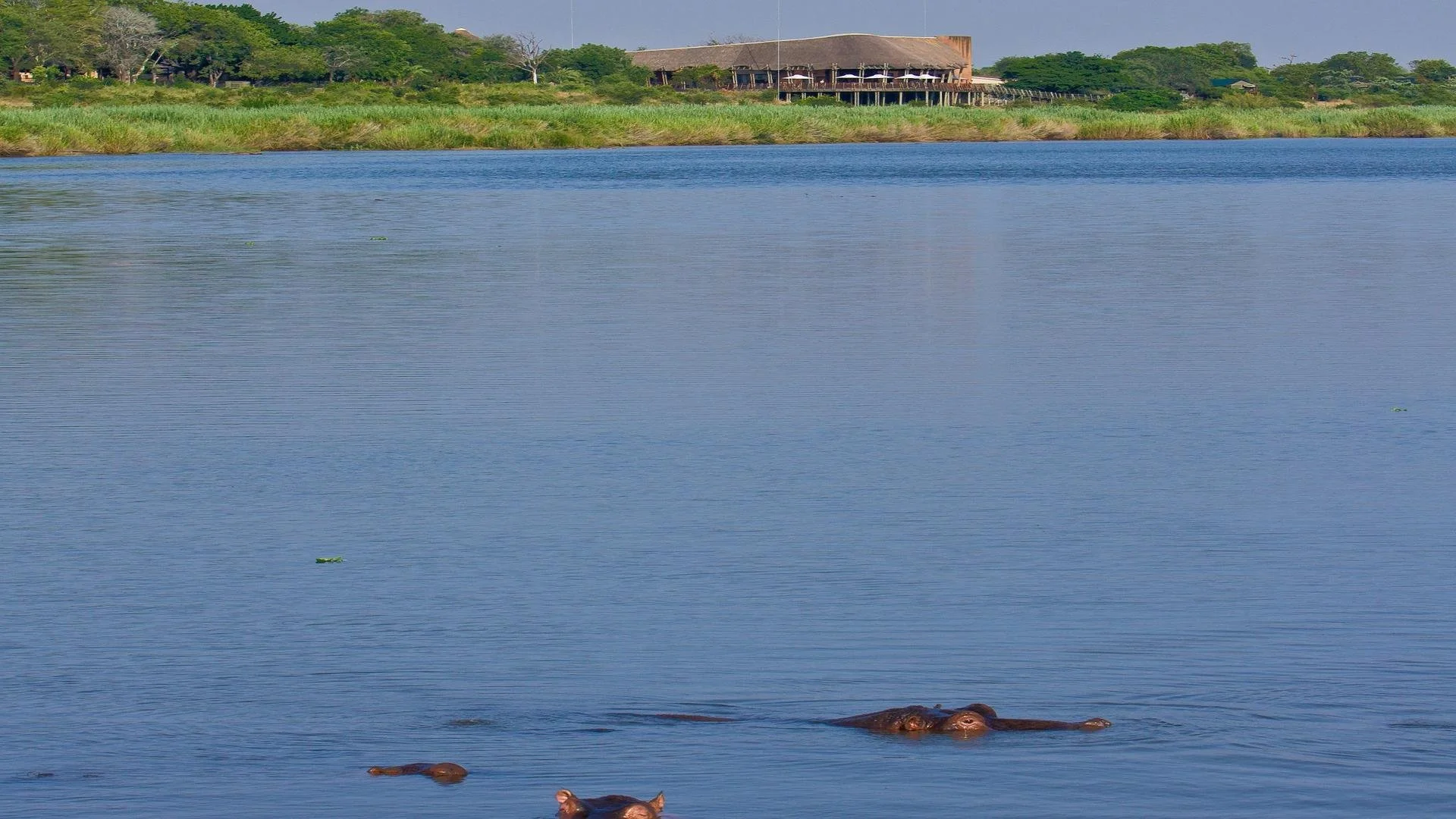
The permanent water draws animals throughout the dry season. The wooden deck outside the restaurant overlooks a weir holding Hippopotamus, Nile Crocodile, Yellow-billed Stork, and Pied and Giant Kingfisher.
Sunset Dam, just outside the gate, is one of the park's best waterbird sites.
The Basalt Plains south of Satara and the riverine habitat together make this stretch of Kruger the best for overall bird diversity. African Fish Eagle, Saddle-billed Stork, African Finfoot, and White-fronted Bee-eater are reliable. Leopard and Lion sightings are more consistent here than almost anywhere in the park. A second night drive is included during this section.
Accommodation:
Lower Sabie Rest Camp
Target Species:
Yellow-billed Stork, African Fish Eagle, Giant Kingfisher, Pied Kingfisher, African Finfoot, Saddle-billed Stork, White-fronted Bee-eater
-
Our final camp sits on the southern Sabie River, one of the most biologically diverse rivers in the park. The permanent water supports massive Impala herds, which in turn bring Leopard and Lion. Wild Dog packs are also in this area. The riparian forest is prime habitat for African Broadbill near Skukuza, one of the more sought-after Kruger targets. Martial Eagle, Hooded Vulture, Purple-crested Turaco, African Green Pigeon, Goliath Heron, and Bearded Scrub Robin fill the morning list.
We depart after a final morning drive for the short transfer to Skukuza Airport.
Accommodation:
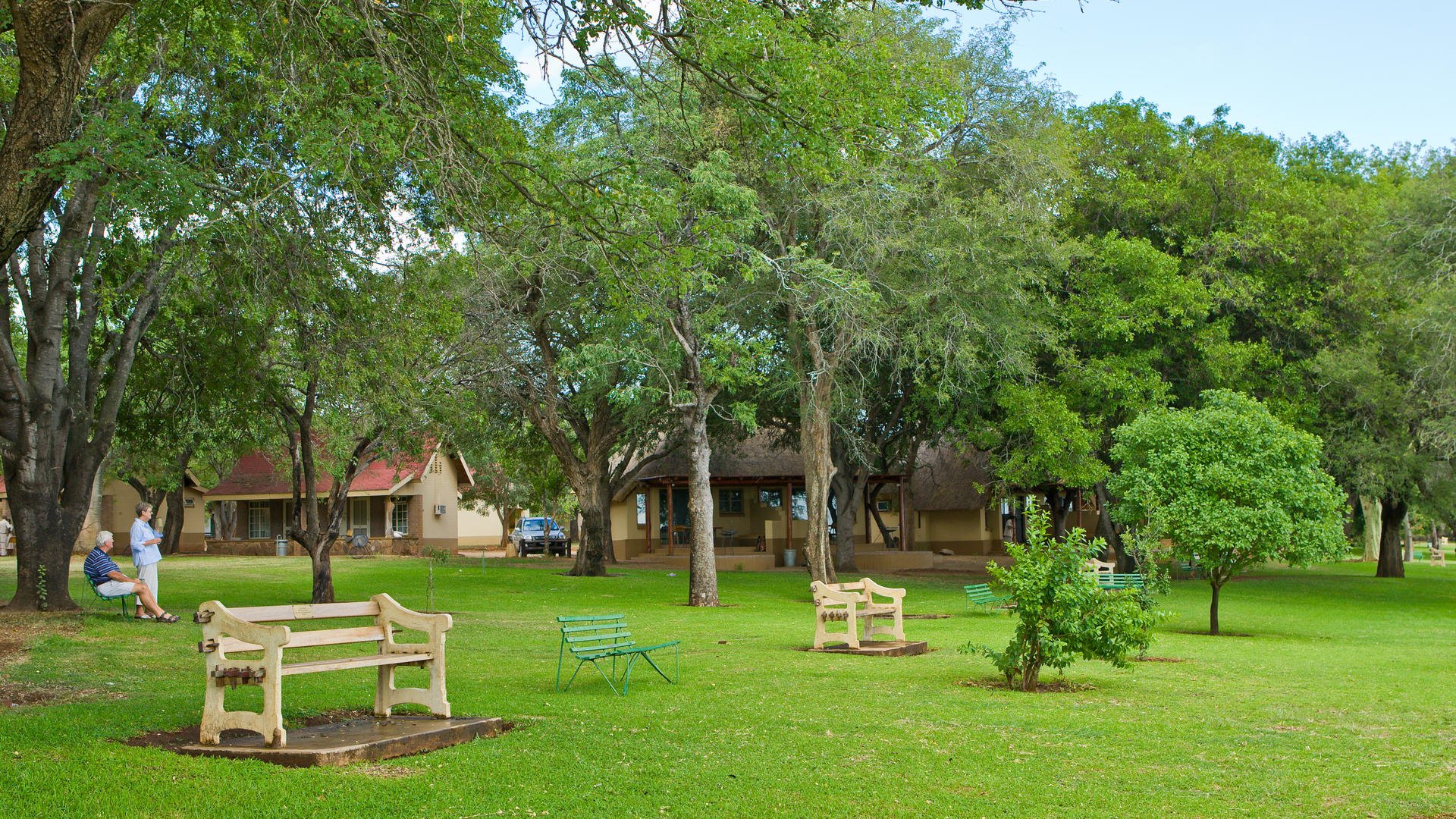
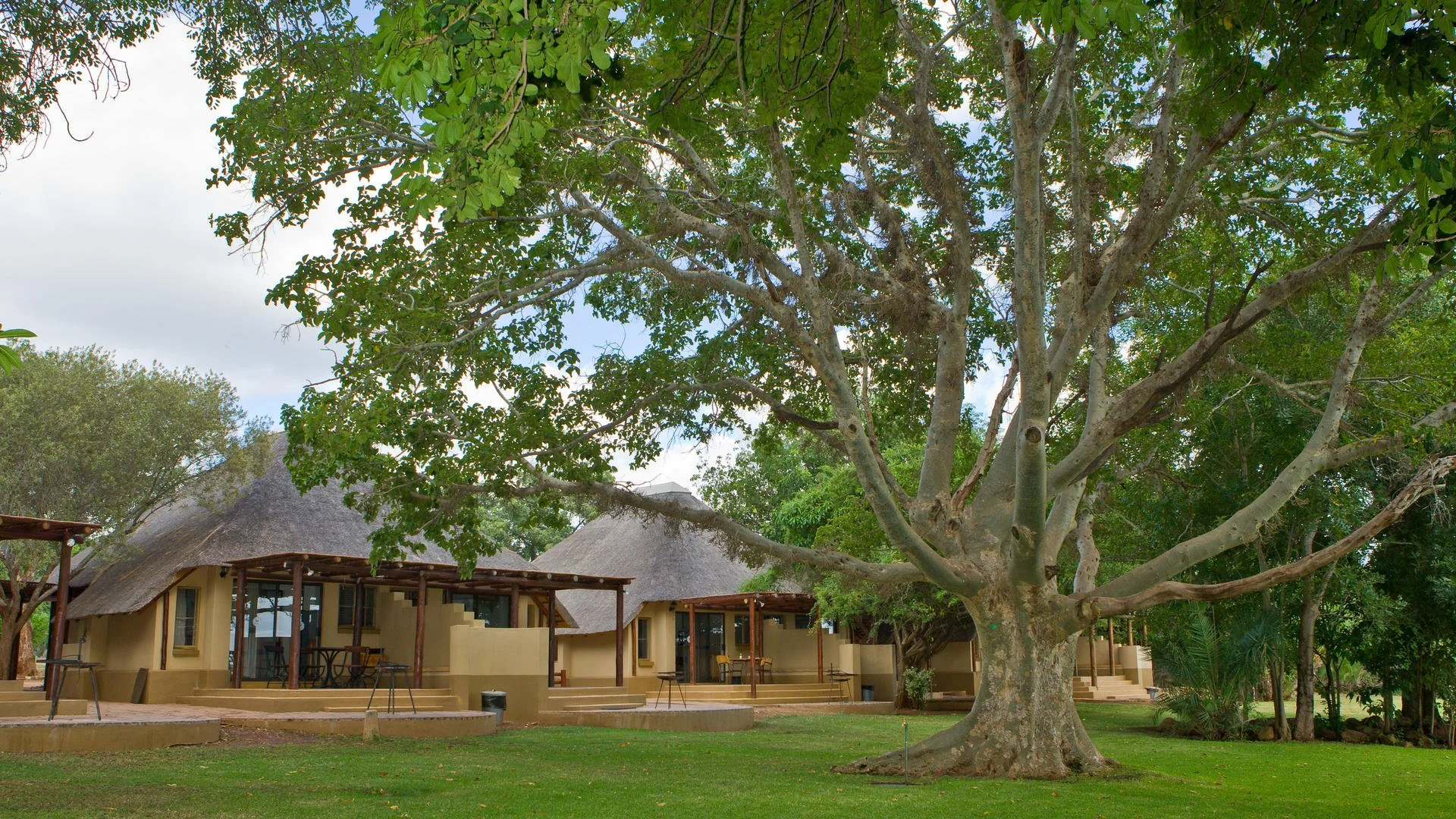
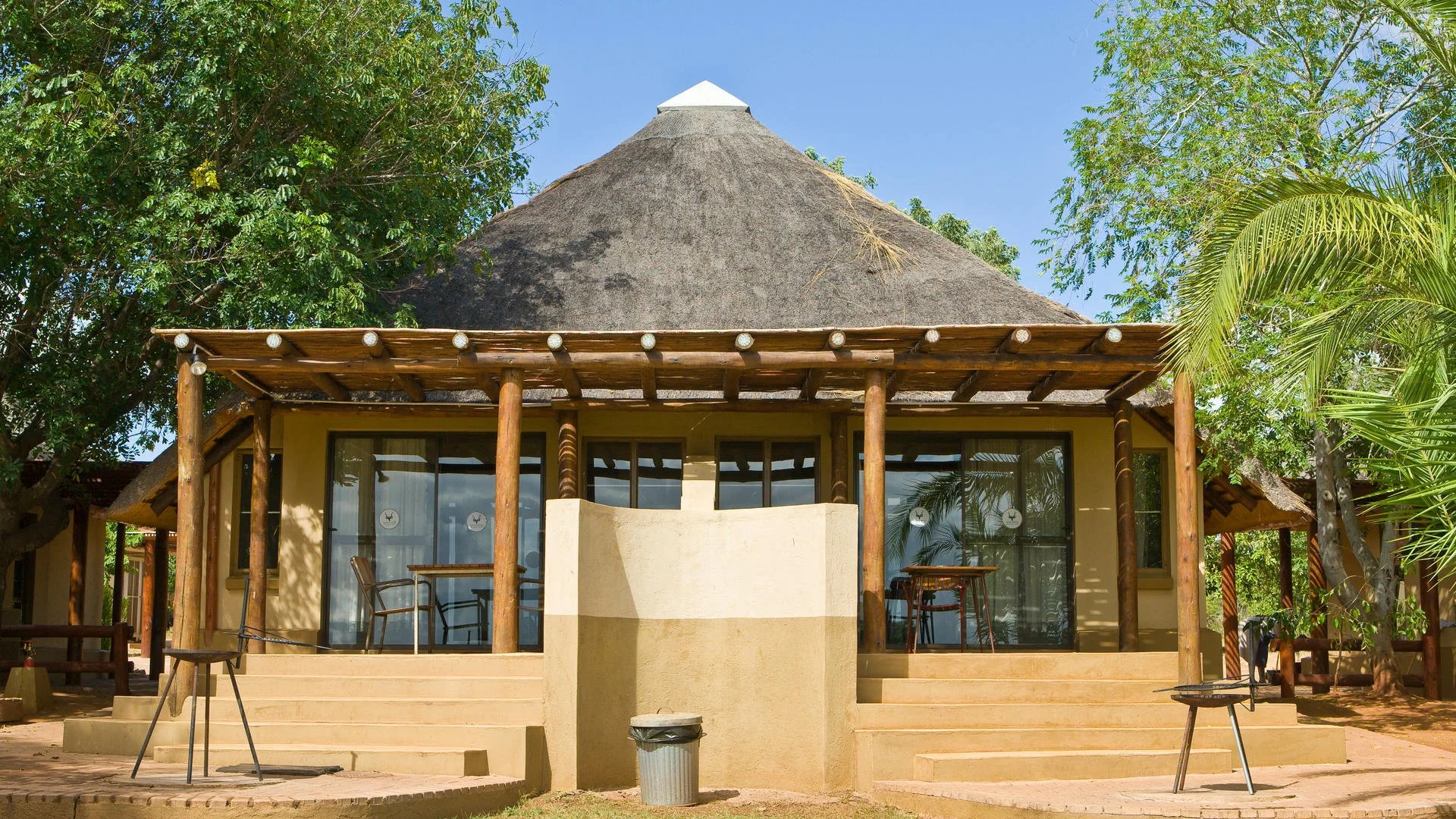
Skukuza Rest Camp
Target Species:
African Broadbill, Martial Eagle, Hooded Vulture, Purple-crested Turaco, Goliath Heron, African Green Pigeon, Southern Ground Hornbill
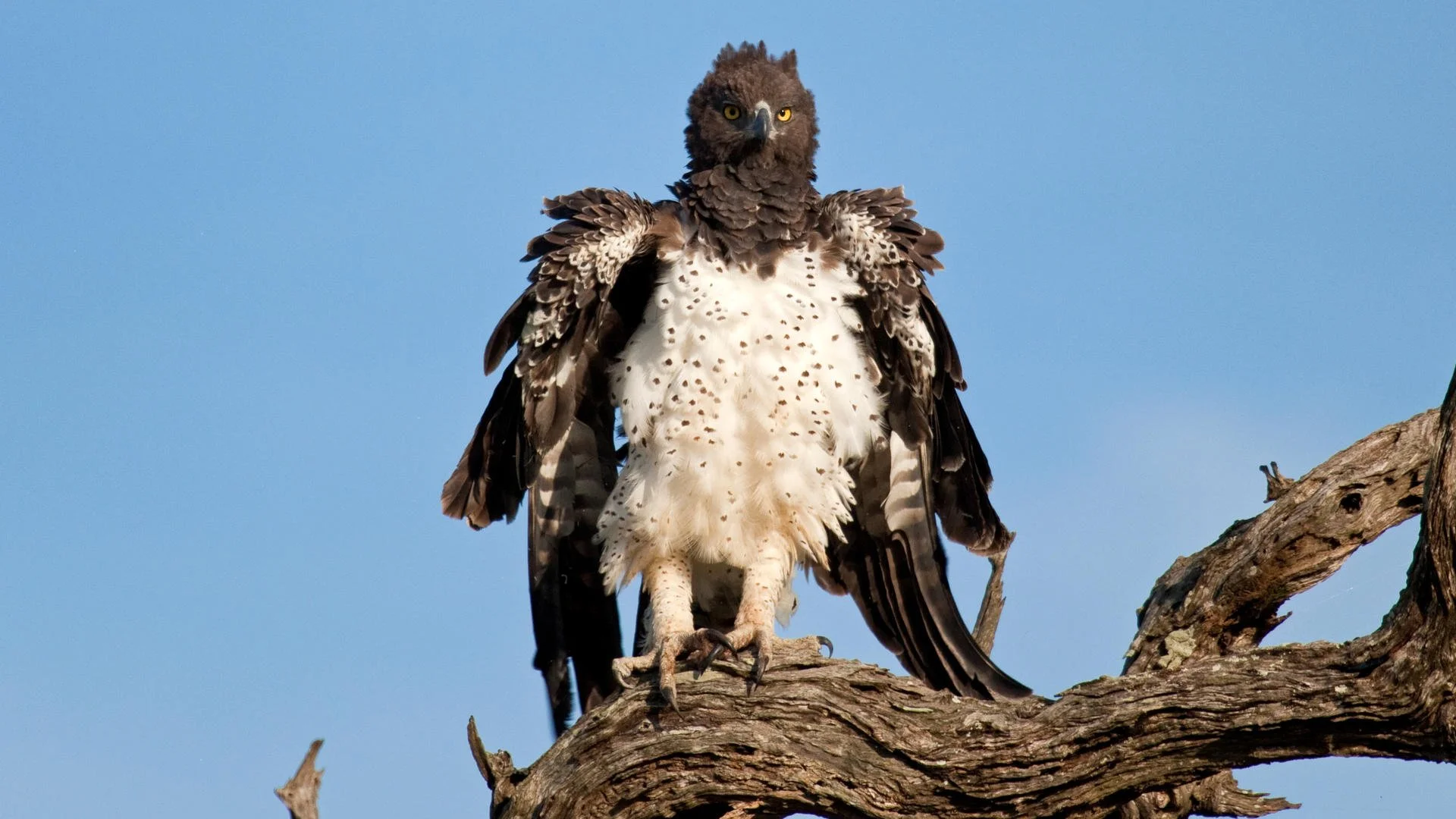
Martial Eagle
What's Included
Accommodation: 14 nights in handpicked guesthouses and rest camps across all six regions.
All Meals: Breakfast, lunch, and dinner throughout, from dinner on October 15 through breakfast on October 29. This is a fully all-inclusive trip.
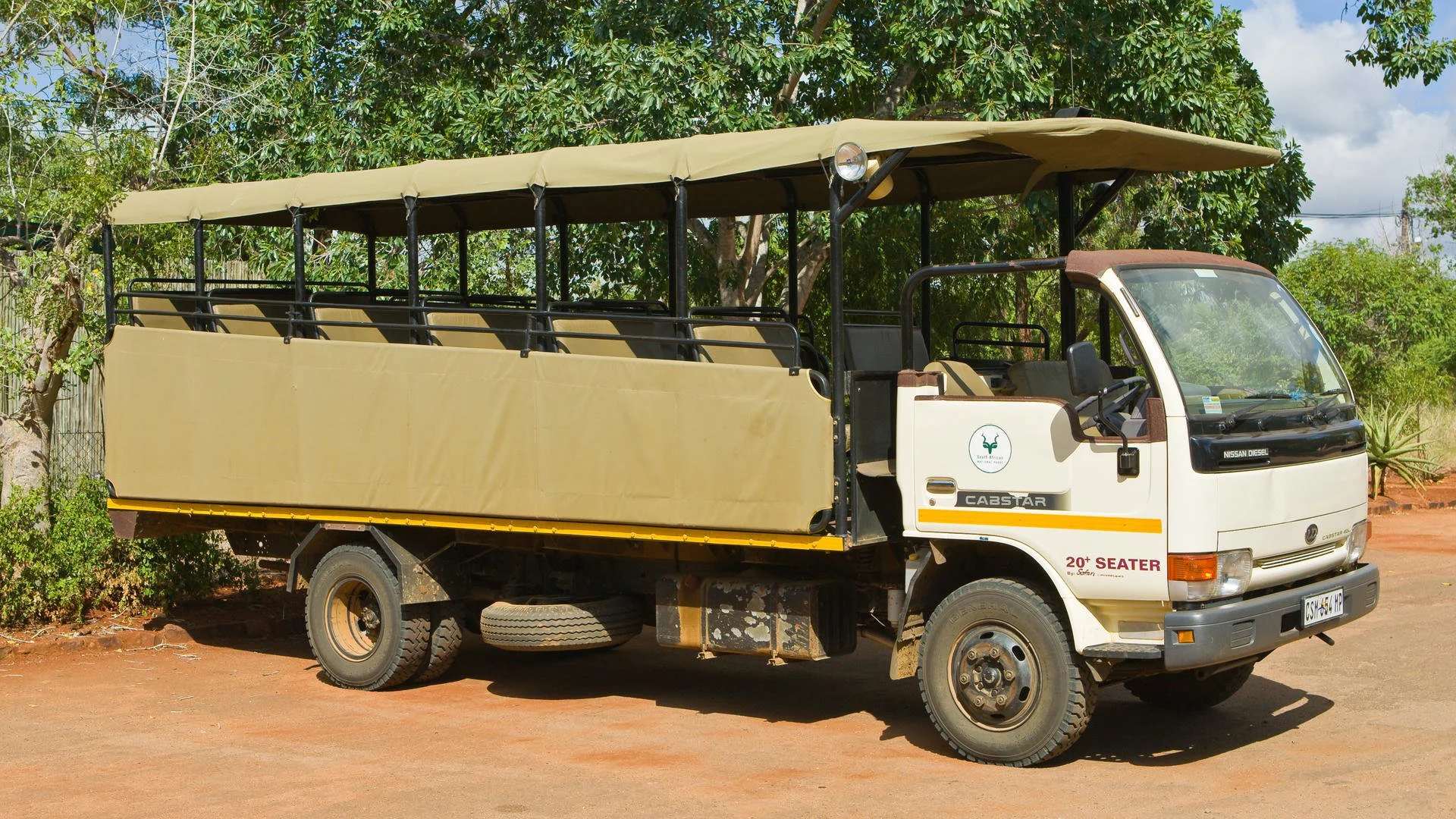
Ground Transportation: Private guided vehicles throughout the Cape section. Open safari vehicles with specialist guides for all Kruger game drives.
Internal Flights in South Africa
Pelagic Boat Trip: A full-day pelagic out of Simons Town, with a backup day built in. One of the finest seabird experiences in the southern hemisphere.
Expert Guidance: Rick + specialist local birding guide + additional local guides at each site
Park & Reserve Fees: All entrance fees to Kruger National Park, De Hoop Nature Reserve, West Coast National Park, and all other reservers visited.
Drinking Water: Bottled Water provided during all transit
Checklists: Daily checklists of all bird species & mammals. You’ll get to bring home a souvenir checklist of the trip.
Tips for Local Guides & Drivers
Tips for local guides and drivers are included. Rick handles this on behalf of the group.
What's NOT Included
International Flights:
Airfare to and from Cape Town (CPT) on October 15, and home from Johannesburg (JNB) on October 29 or later.South Africa Visa: Most nationalities, including US and Canadian citizens, do not require a visa for stays under 90 days. Check current requirements for your passport before booking.
Travel Insurance: Required: participants are responsible for their own coverage
Alcoholic Beverages: Available for purchase at lodges and restaurants
Personal Expenses: Souvenirs, spa services, laundry
Tips/Gratuities: Optional gratuity for Rick
What to Bring
-
Binoculars (8x42 or 10x42 recommended)
Camera with zoom lens if you enjoy bird photography
Field guide to South Africa (optional)
Small backpack for daily excursions
eBird app or Merlin downloaded for region (optional)
Headlamp or small flashlight (essential for pre-dawn starts and night walks)
-
Neutral-toned layers (khaki, olive, grey)
Rain jacket (Cape weather is unpredictable)
Warm fleece for morning game drives
Sun hat with brim
Comfortable walking shoes and boots
Sandals for camp evenings
-
High-SPF sunscreen
Insect repellent (DEET-based for Kruger)
Prescription medications
Valid passport (6 months beyond Oct 29, 2027)
Travel insurance documentation
-
Spotting scope not necessary (There will be two for the group)
What NOT to Bring
-
You won't need fancy clothes—casual and comfortable is the vibe.
-
Leave expensive jewelry at home.
-
South Africa and Birding With Rick are committed to sustainability.
-
-
Colors to not wear: Blue & Black
Black attracts tsetse flies almost as much as blue. It also absorbs heat, so you will be hotter than everyone else in the vehicle. Neither is a good outcome on a morning game drive.
White
Can you wear white on safari? Not for daytime activities. White stands out in the bush more than any other color. It reflects light, makes you very visible to animals, and turns brown from the dust within minutes of leaving camp. A white shirt at dinner is fine. On a game drive, it is not practical.
Bright Colors: Red, Orange, Pink, Neon
Bright colors like red, orange, and anything neon make you the most visible thing in the landscape. While lions are dichromats and cannot distinguish red from green, movement and contrast still register. Bright colors also stand out to other guests and are simply not suited to the environment you are in.
Camouflage
Do not wear military camouflage on safari in Africa. In several African countries, including South Africa, wearing camouflage patterns is illegal for civilians. It is reserved for military and law enforcement. Leave it at home entirely.
Physical Fitness Level
Difficulty: Easy to Moderate
This is primarily a vehicle-based birding trip. The vast majority of our time is spent in comfortable guided vehicles or on easy walking trails within camp. There is no strenuous hiking required.:
Walking 1–3 miles per day, mostly on flat or gently sloping terrain
Standing periods of 1–2 hours during birding sessions
Some early morning starts (5:00–5:30 a.m.) for optimal birding
Rocky walking at Rooi Els (Cape Rockjumper site). Short scramble on uneven ground
Full travel day on Day 10 (Cape Town to Kruger) with road transfer
Birding Ability: Beginner birders are welcome on all of Rick's tours. You will feel welcome and appreciated regardless of experience level.
Accessibility Note: Some trails have stairs and uneven surfaces. If you have mobility concerns, please contact us to discuss accommodations.
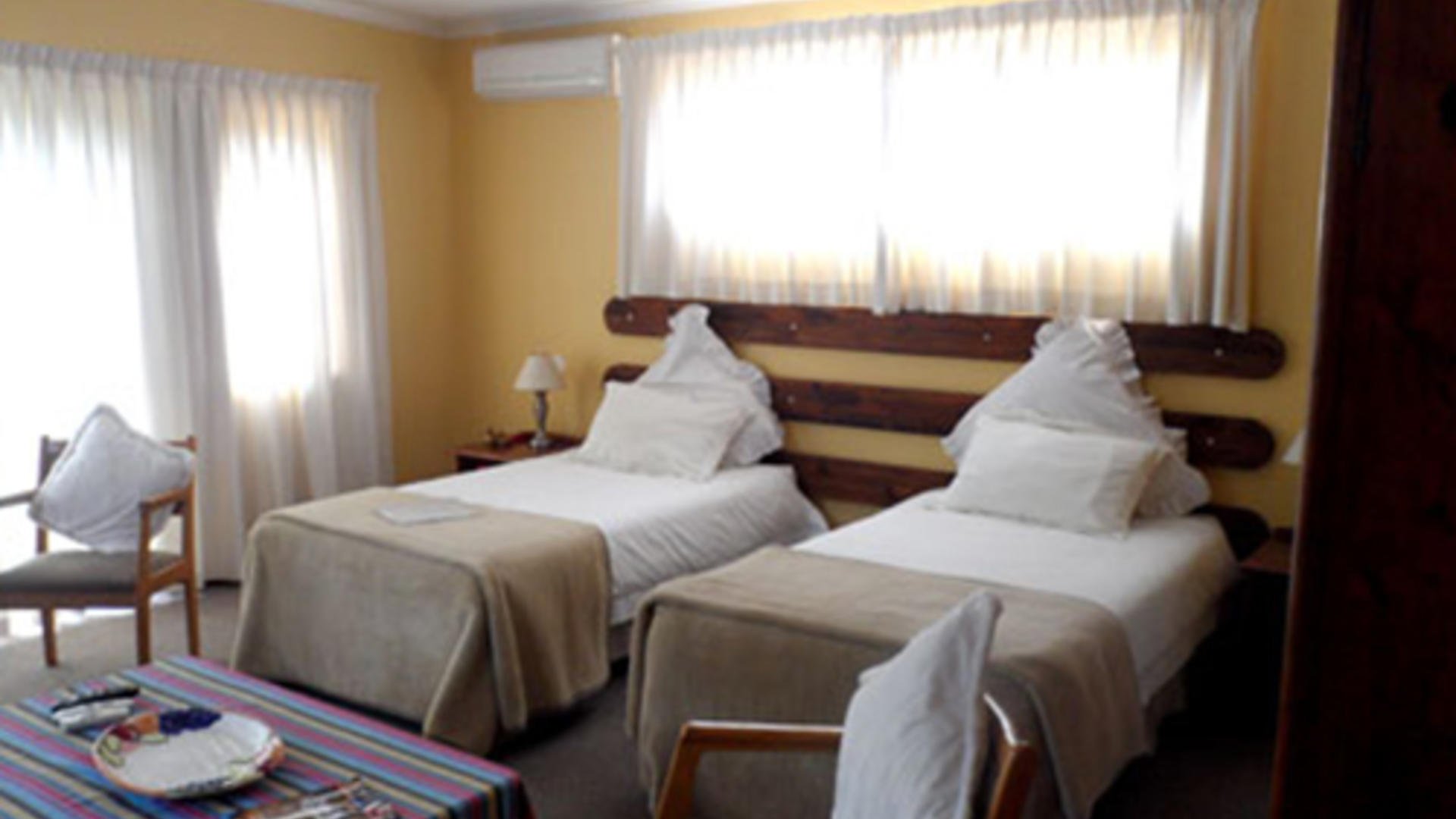
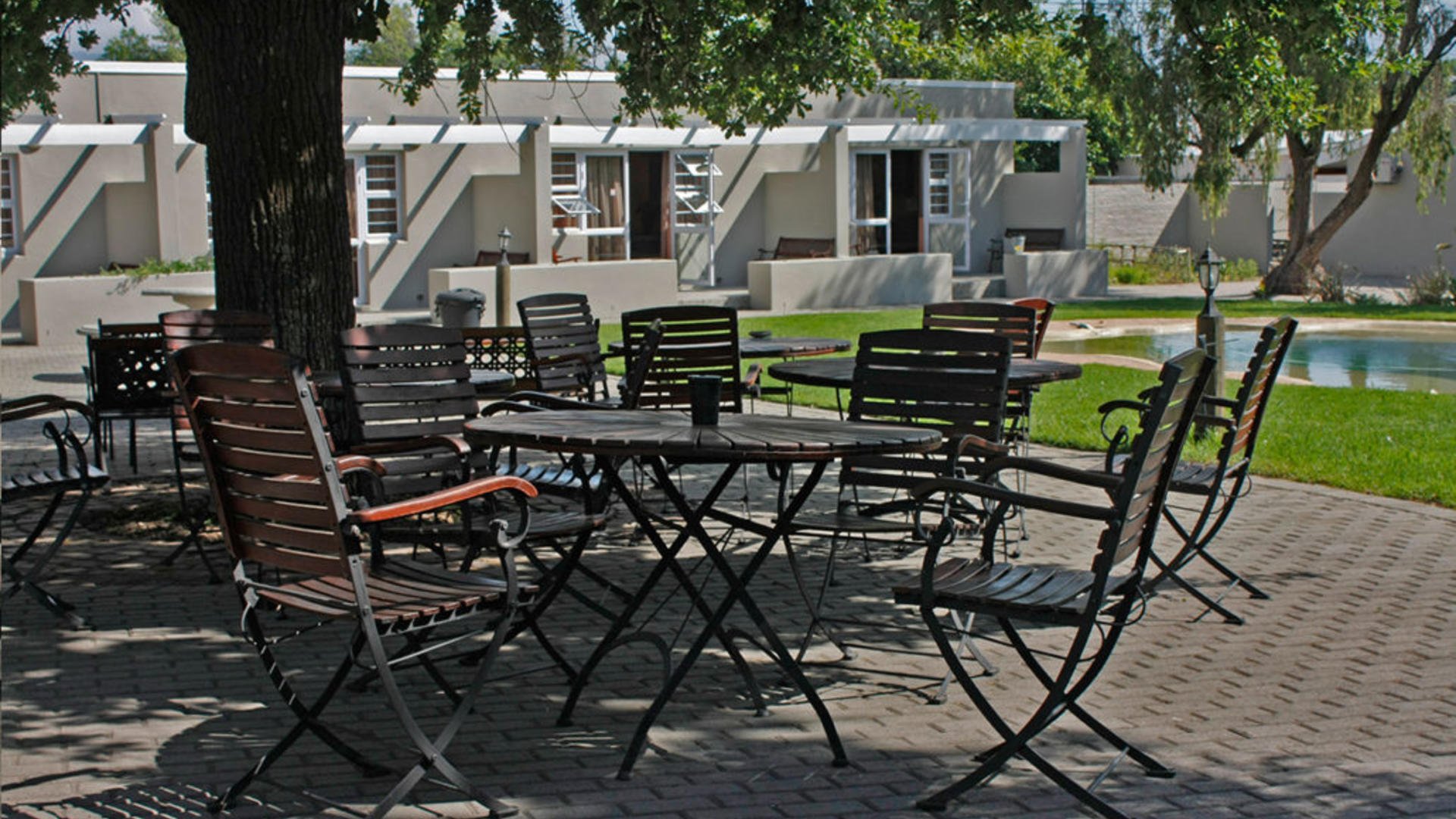
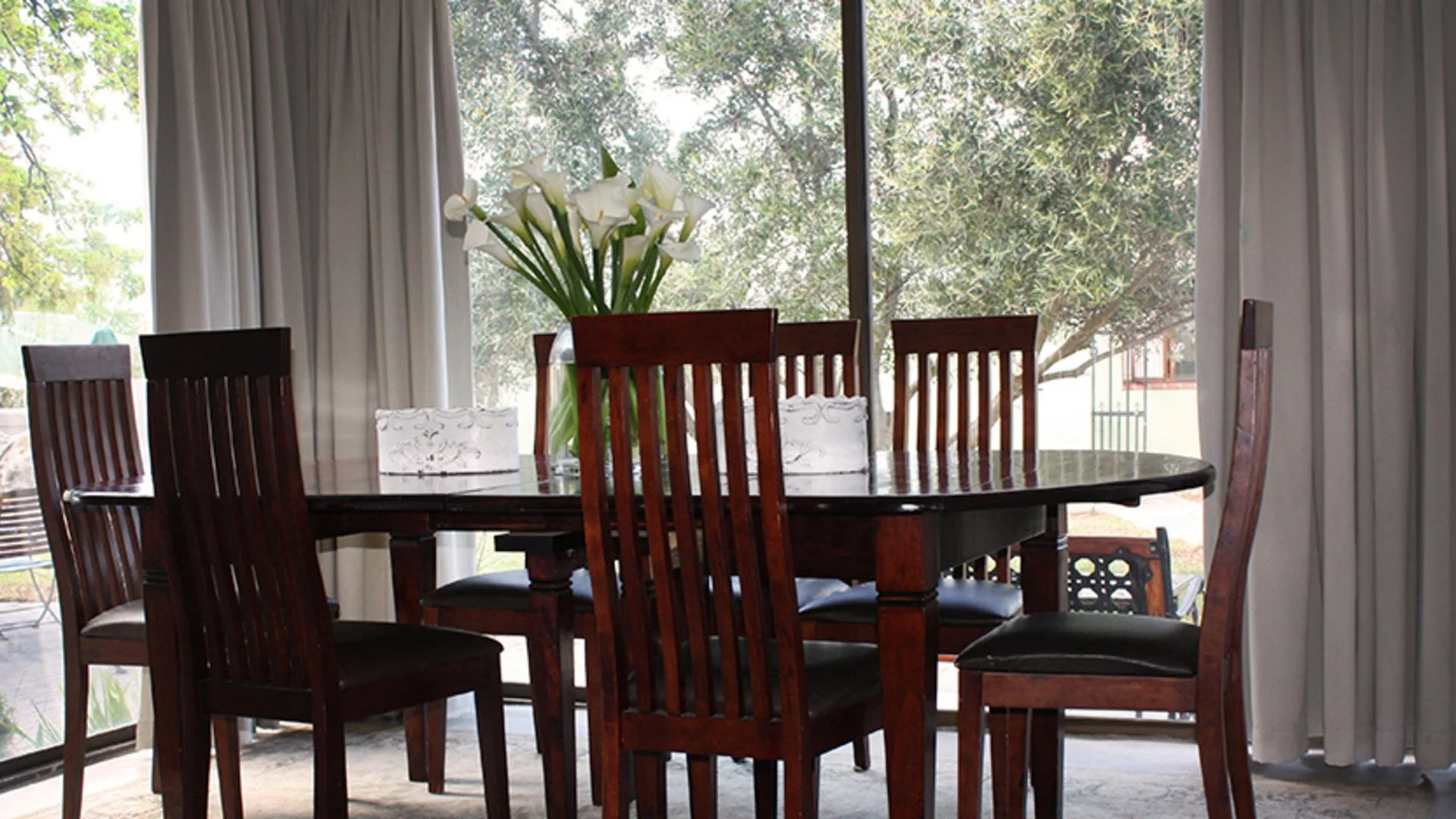
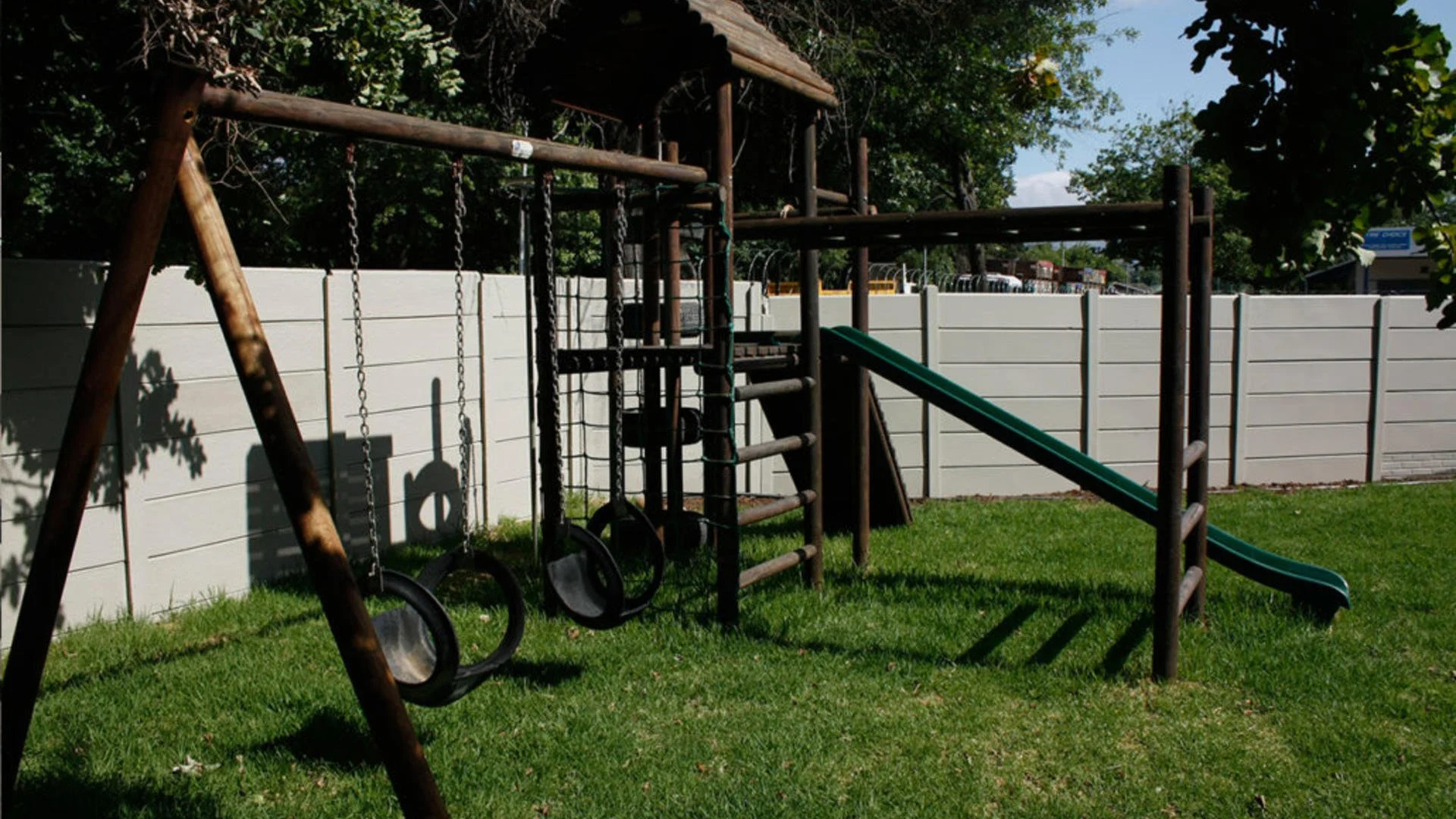
Accommodation
Lodges are selected for their birding access, comfort, and commitment to sustainable tourism.
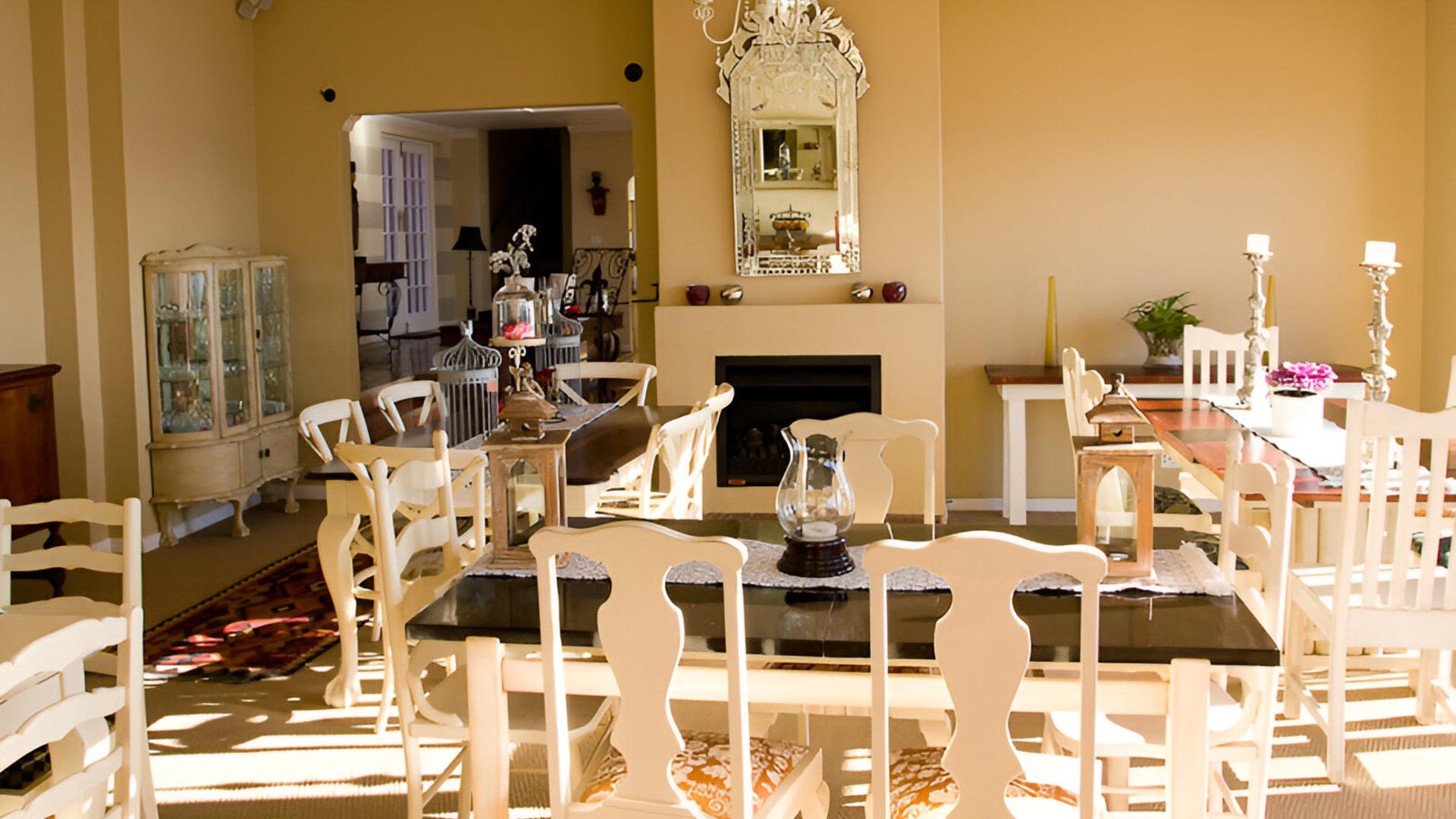
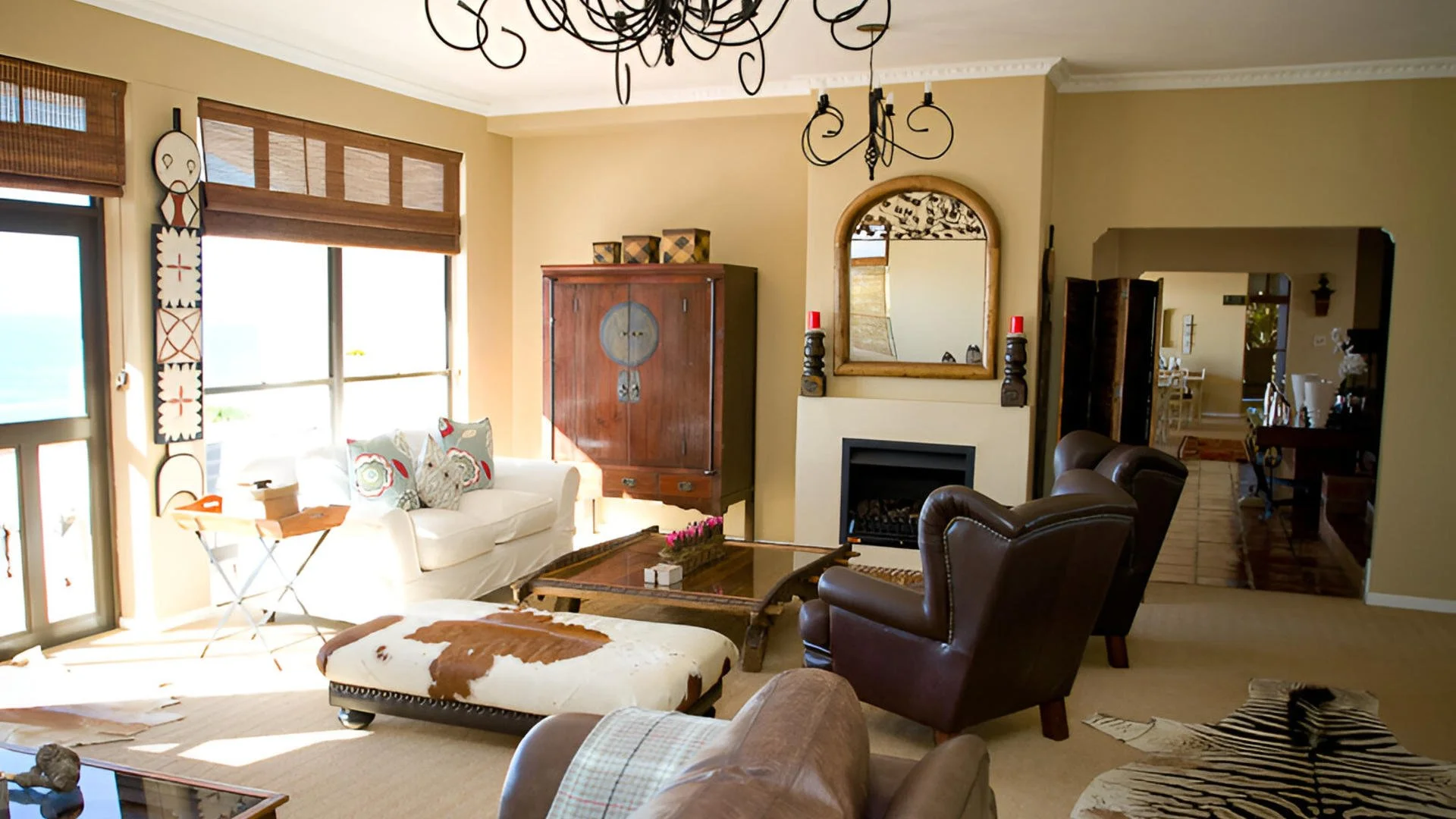
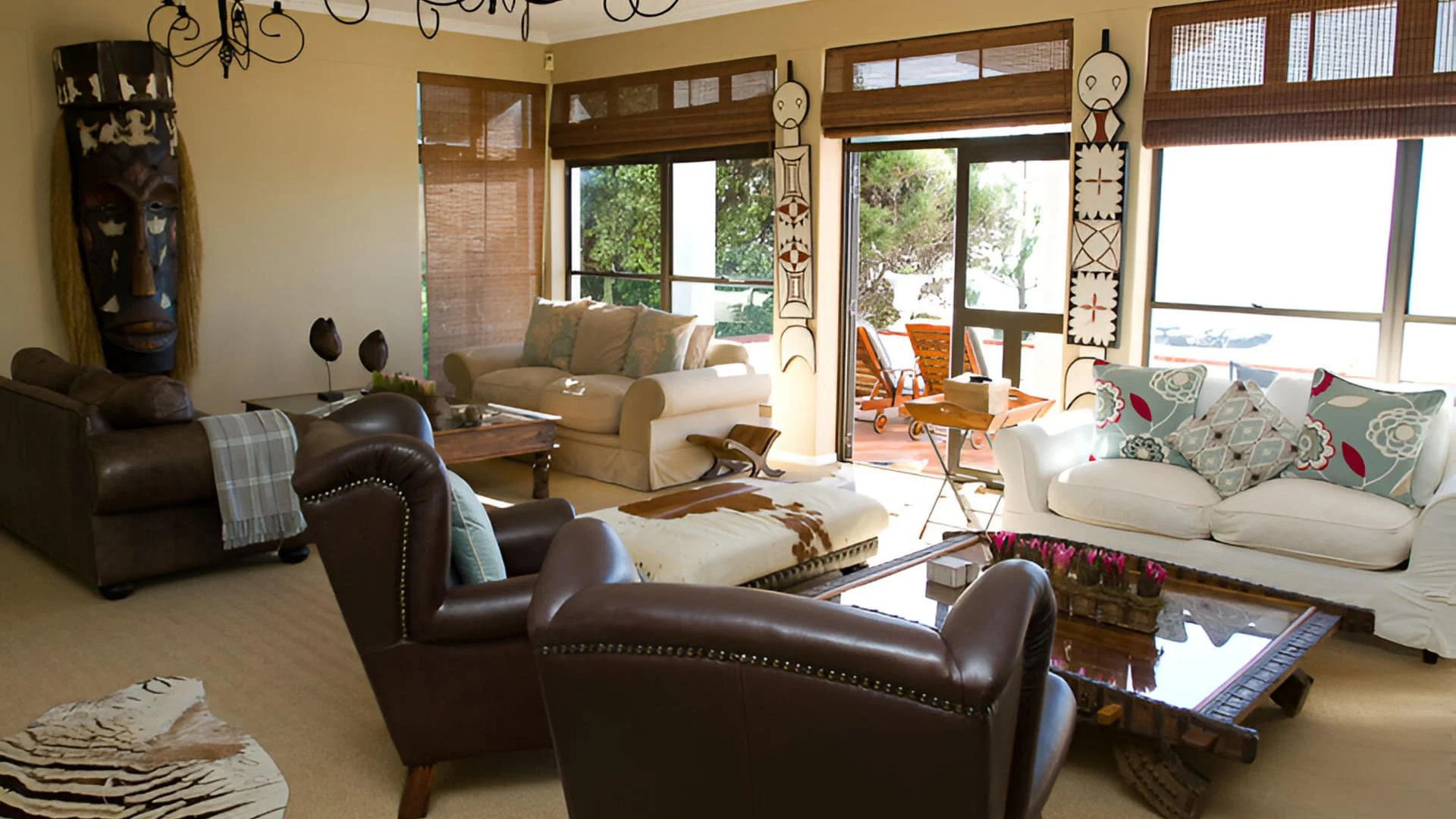
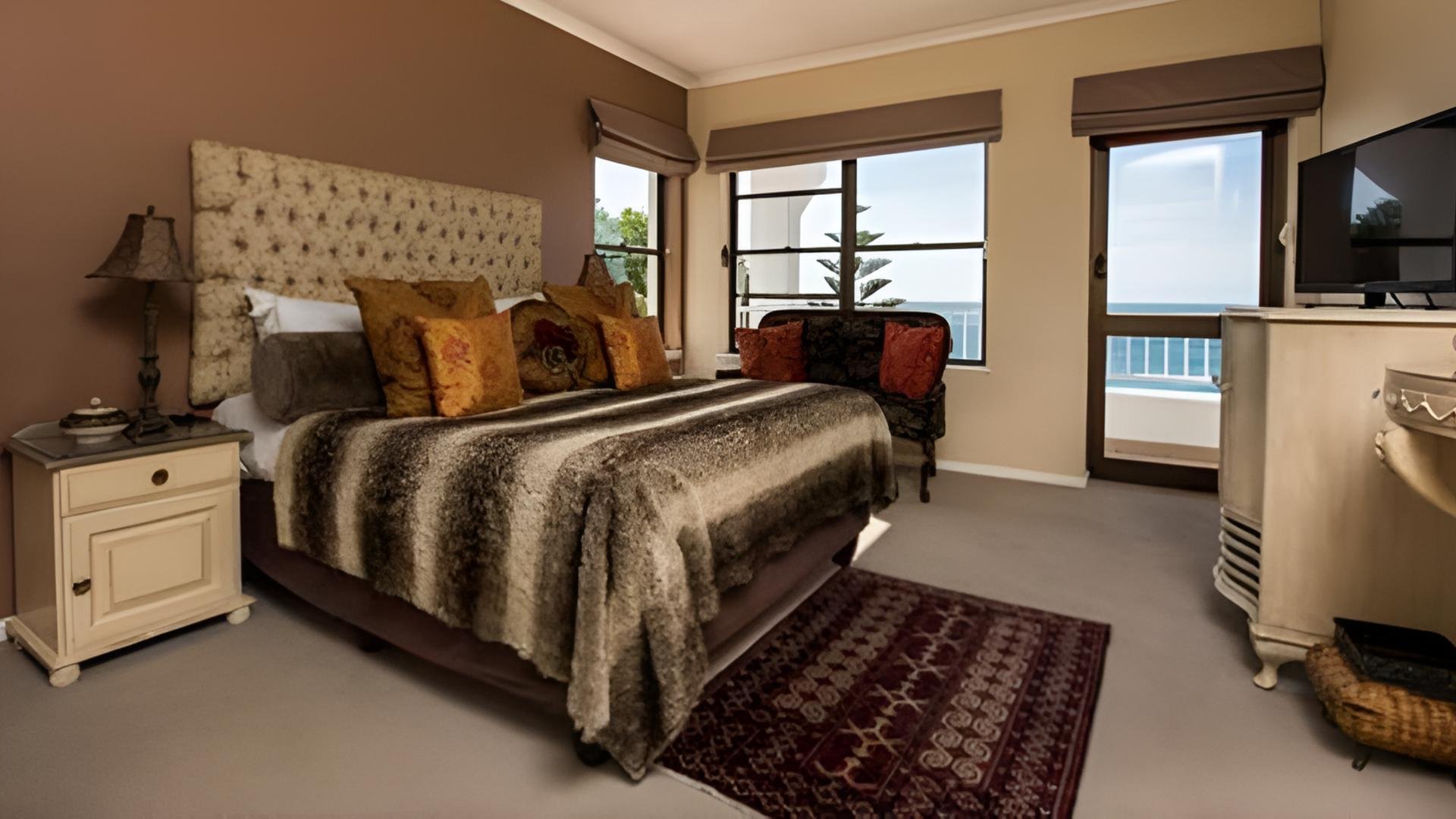
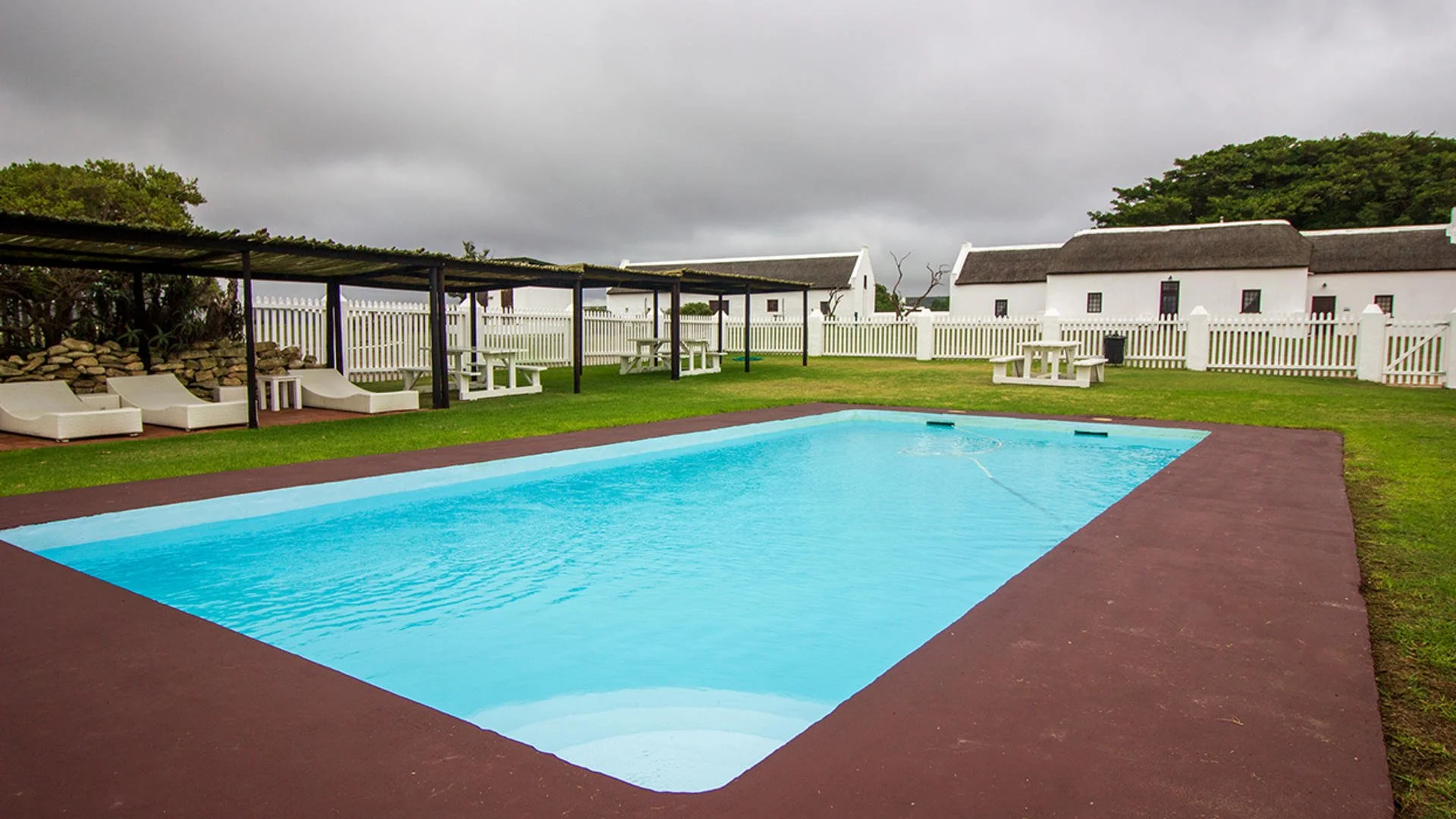
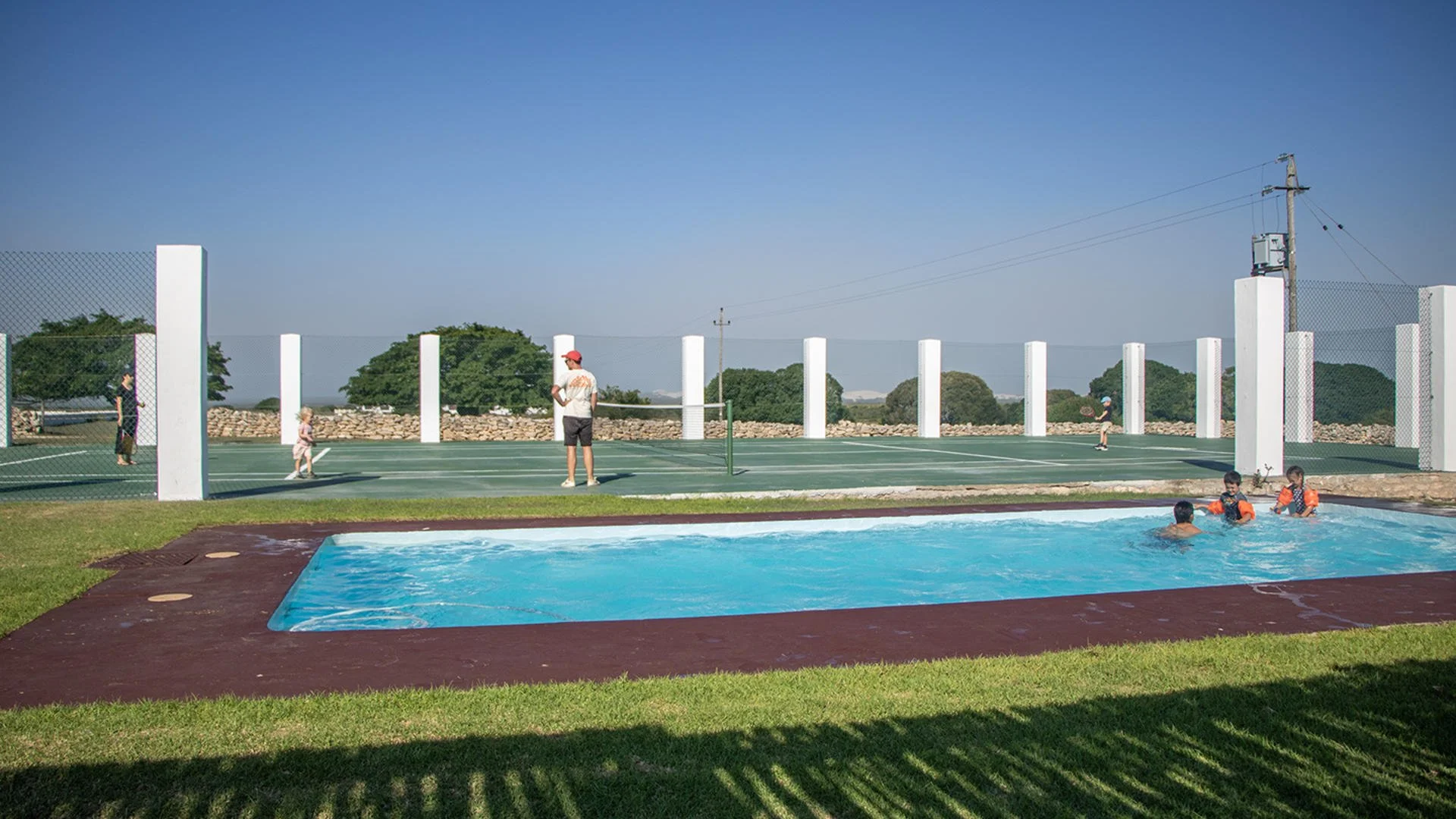
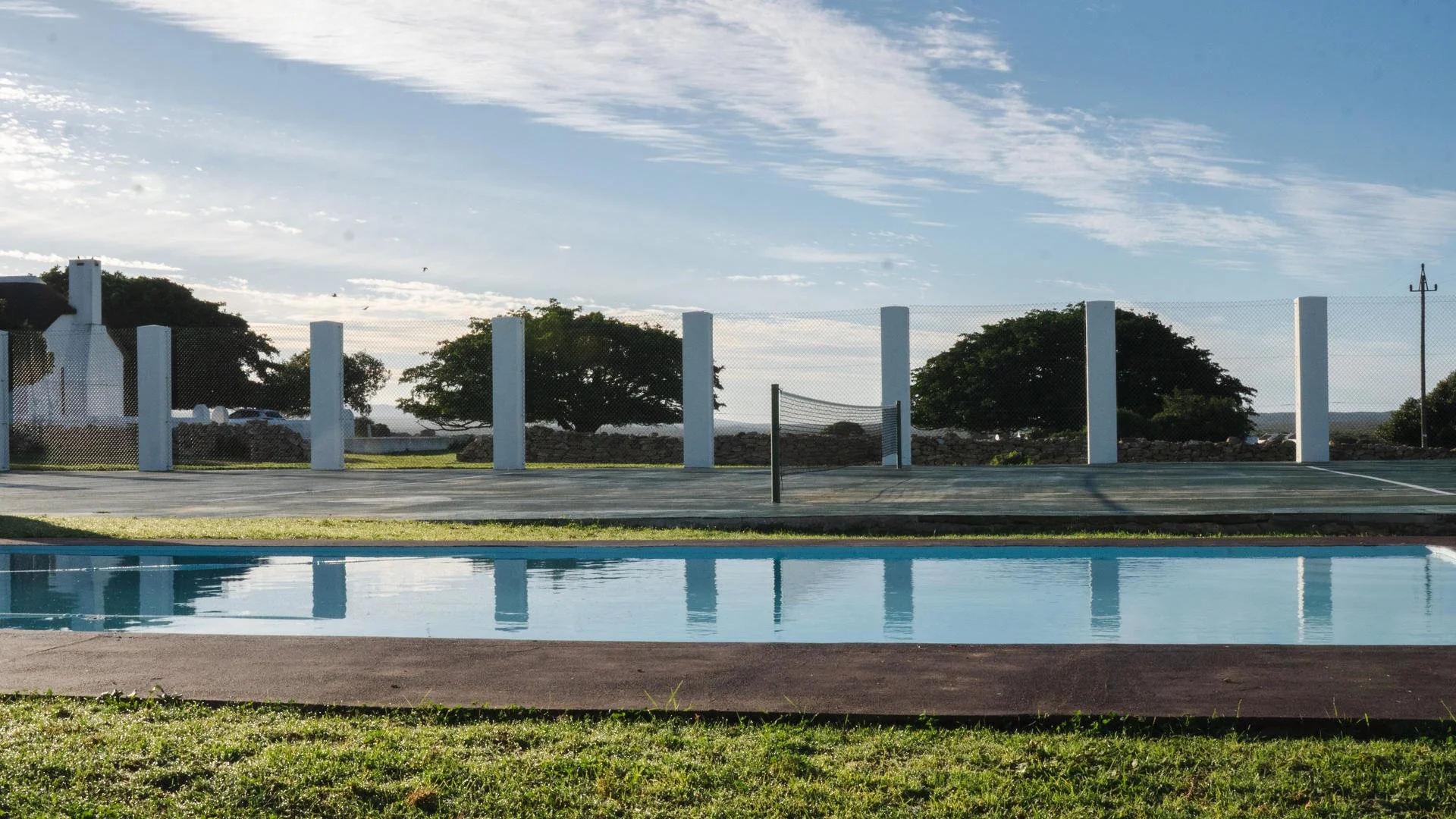
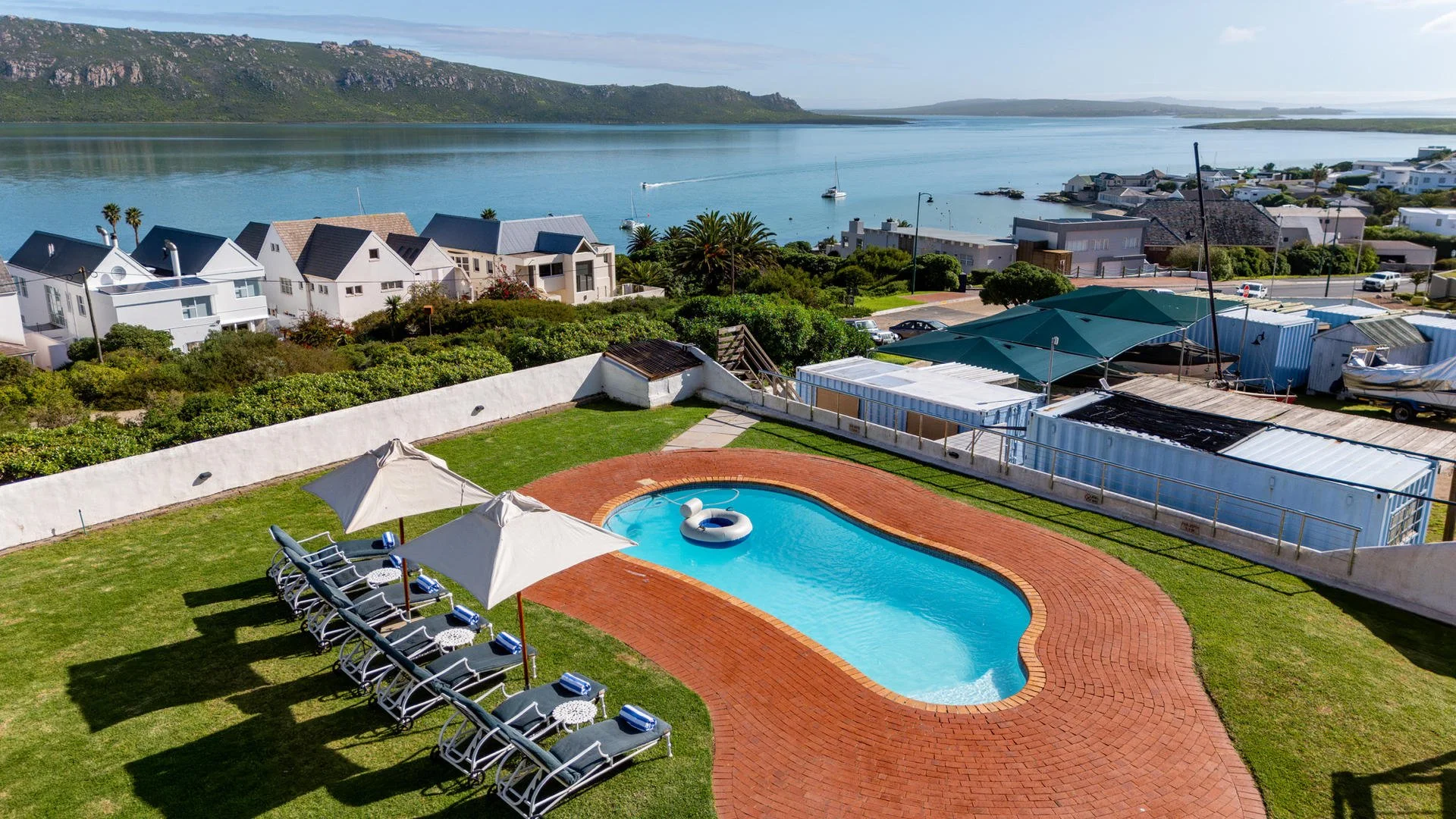
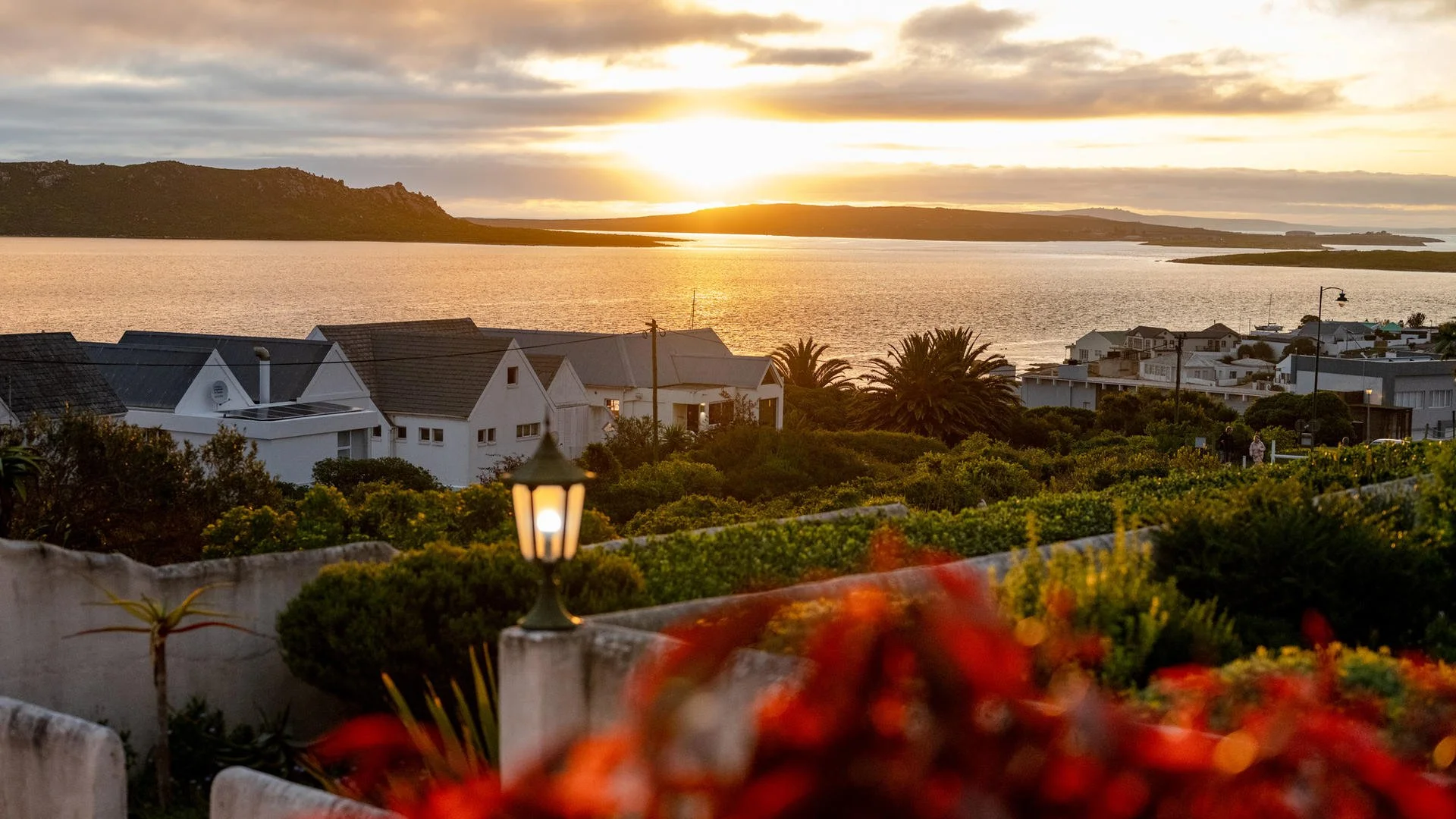
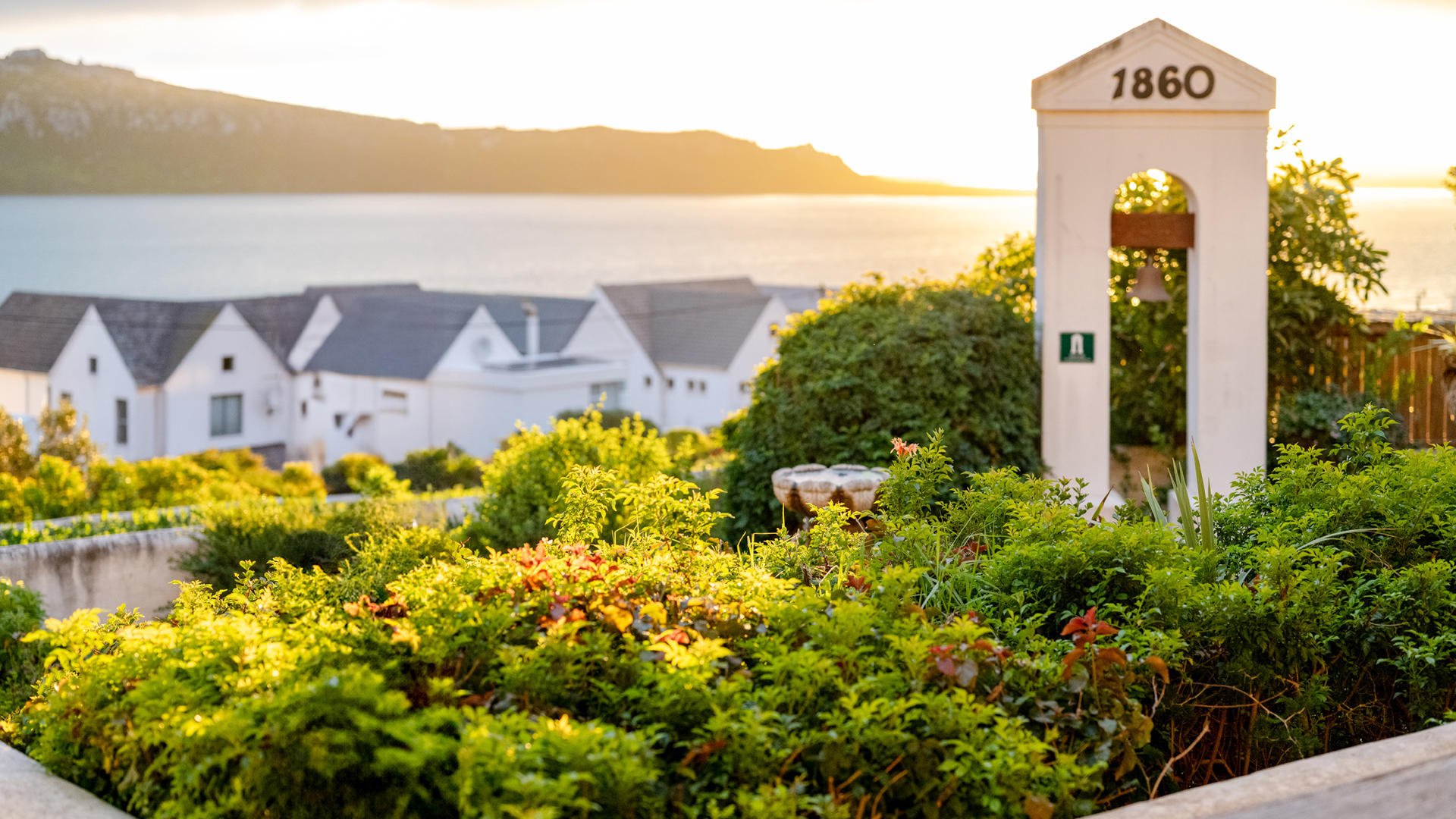
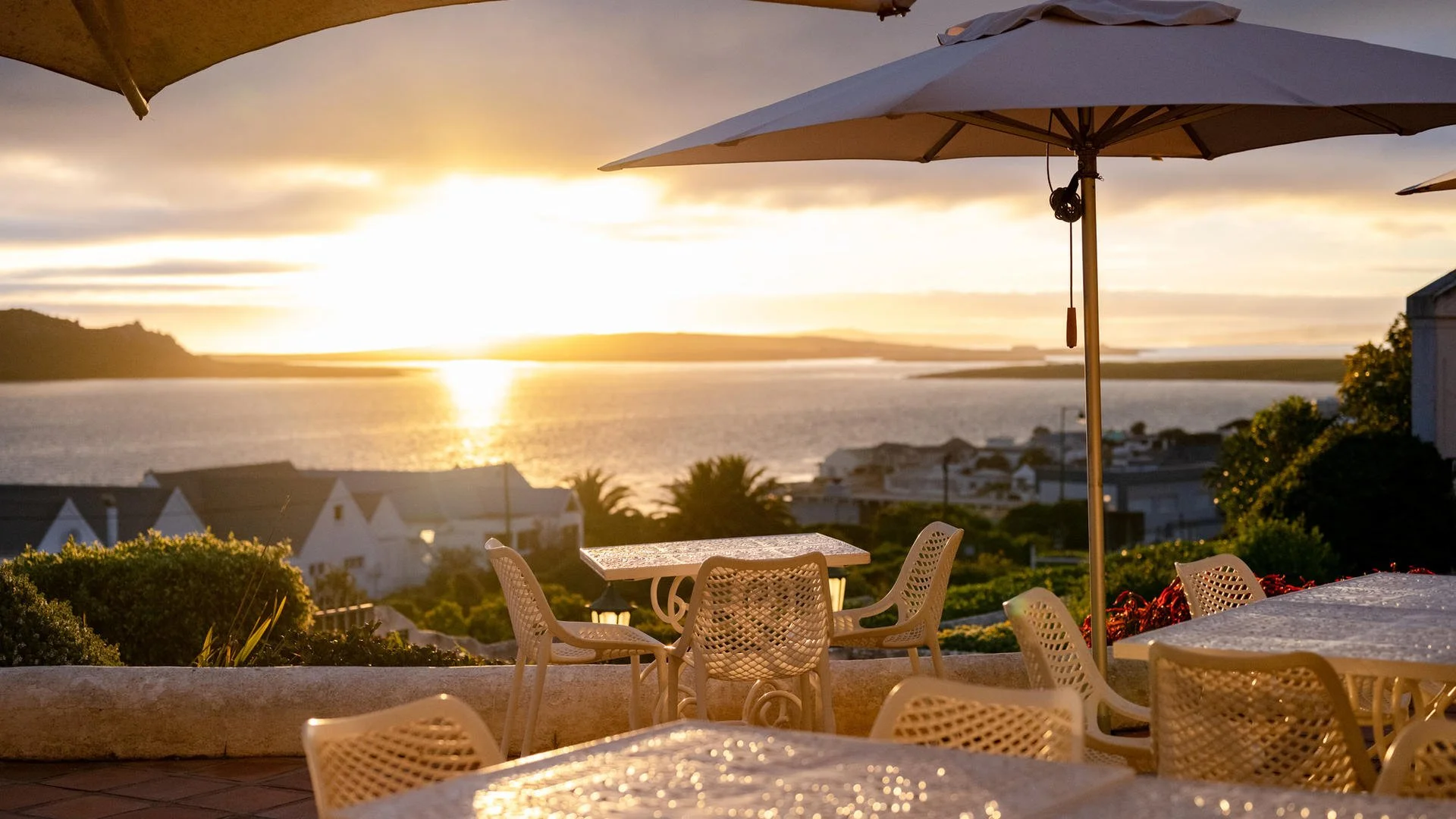
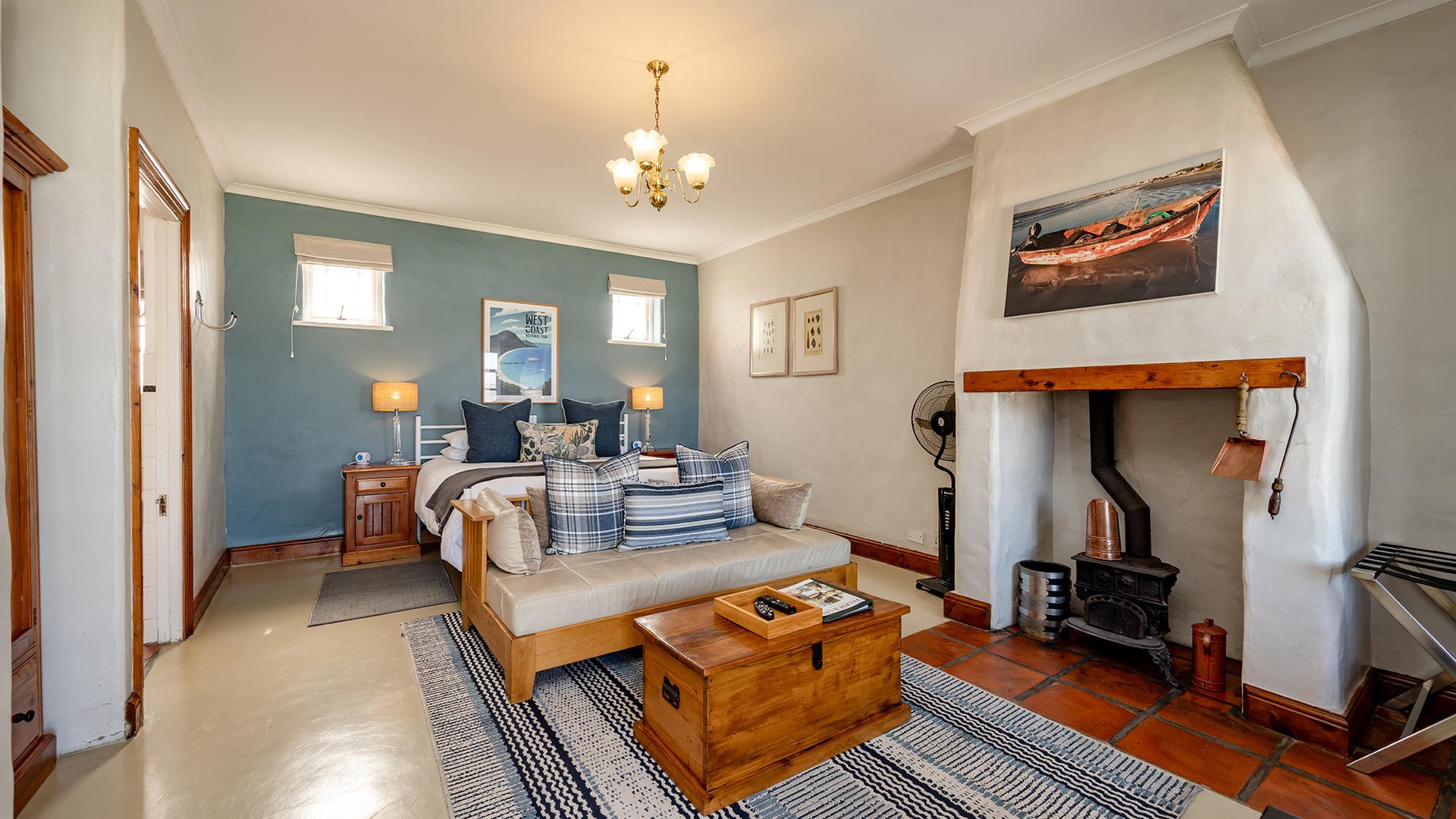
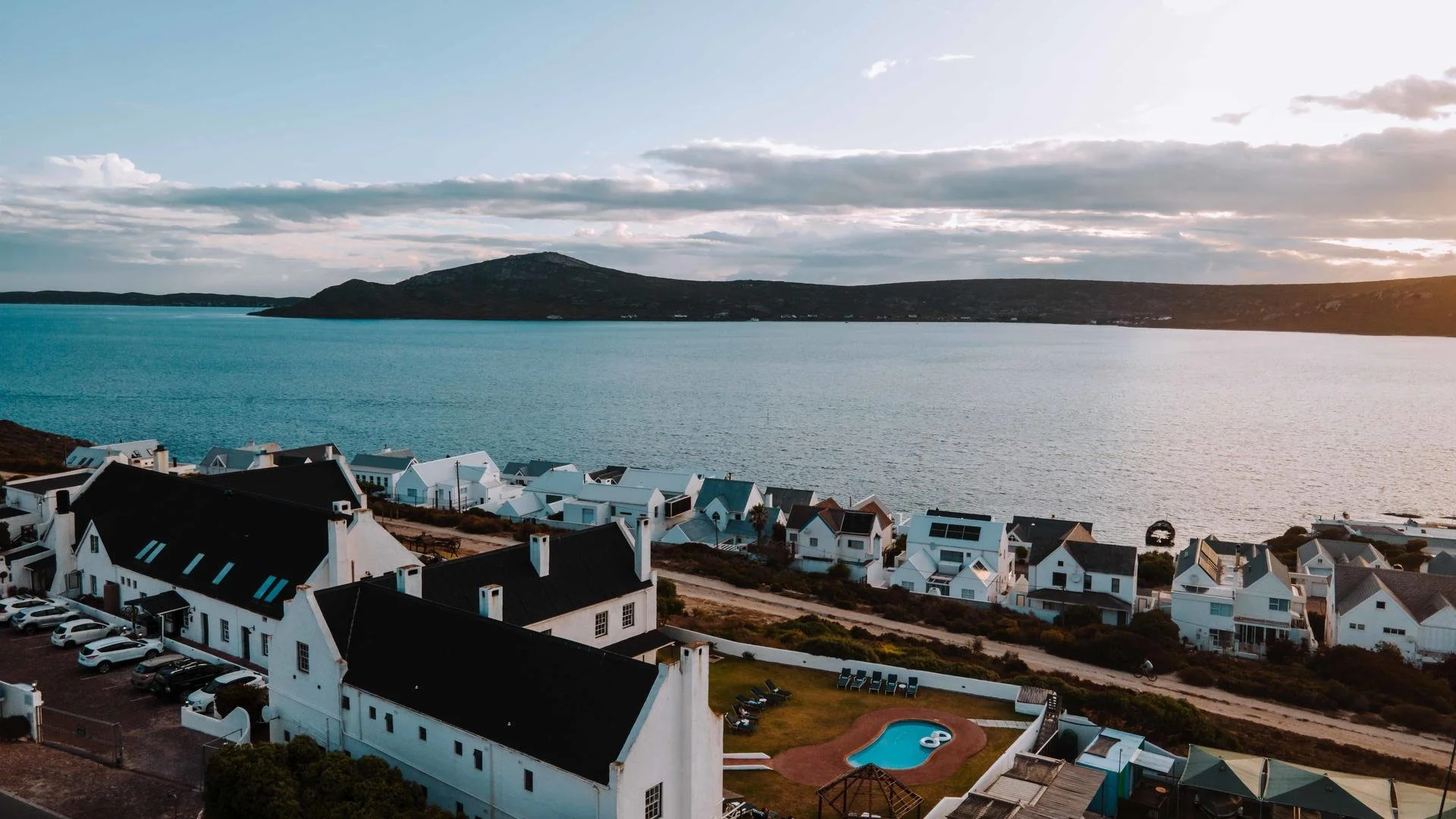
Whale View Manor Guest House
Cape Town / Simons Town
| Oct 15-18 |
3 nights
Villa Chad
Whale Coast / Kleinmond | Oct 18–19 | 1 night
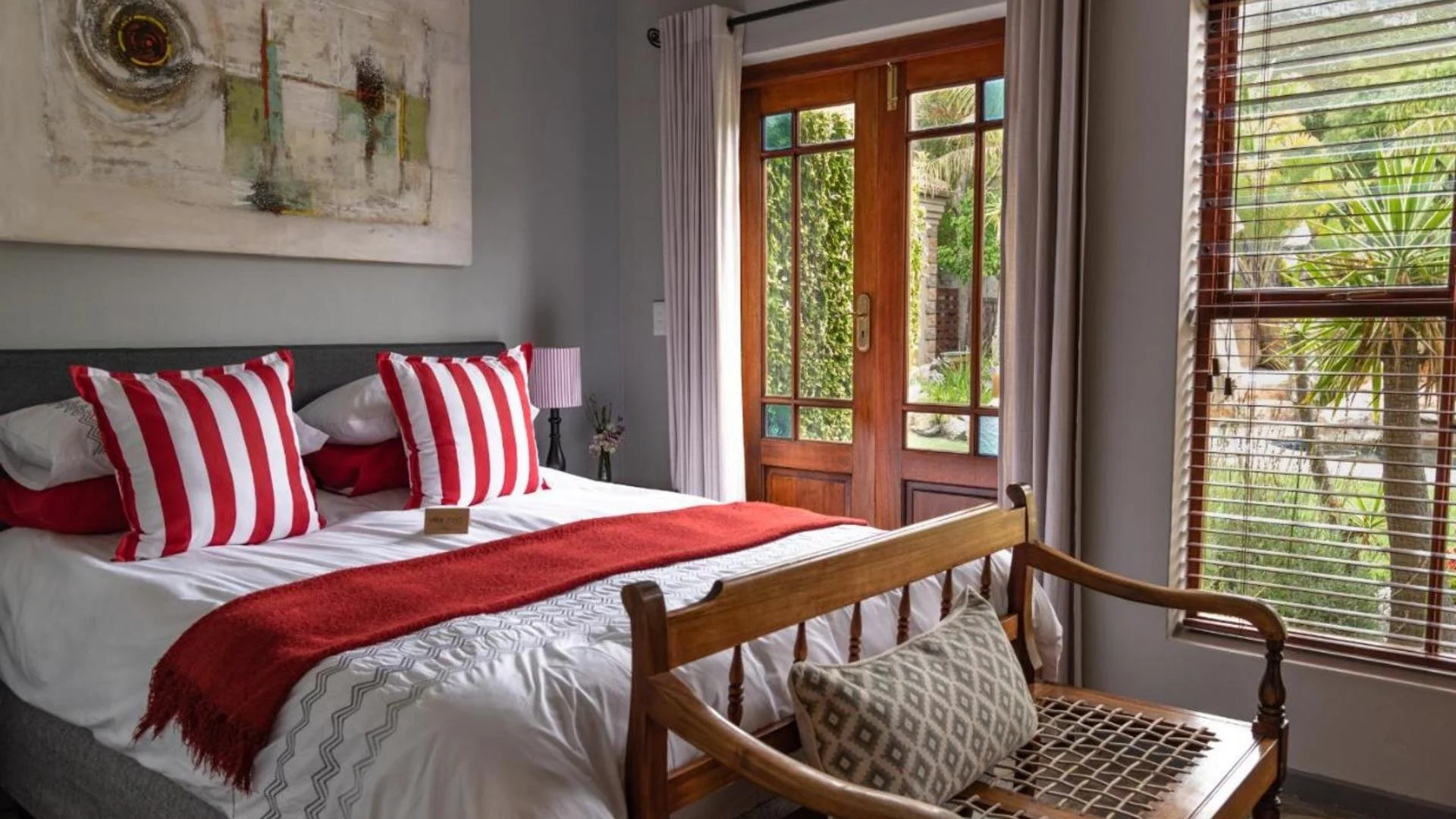
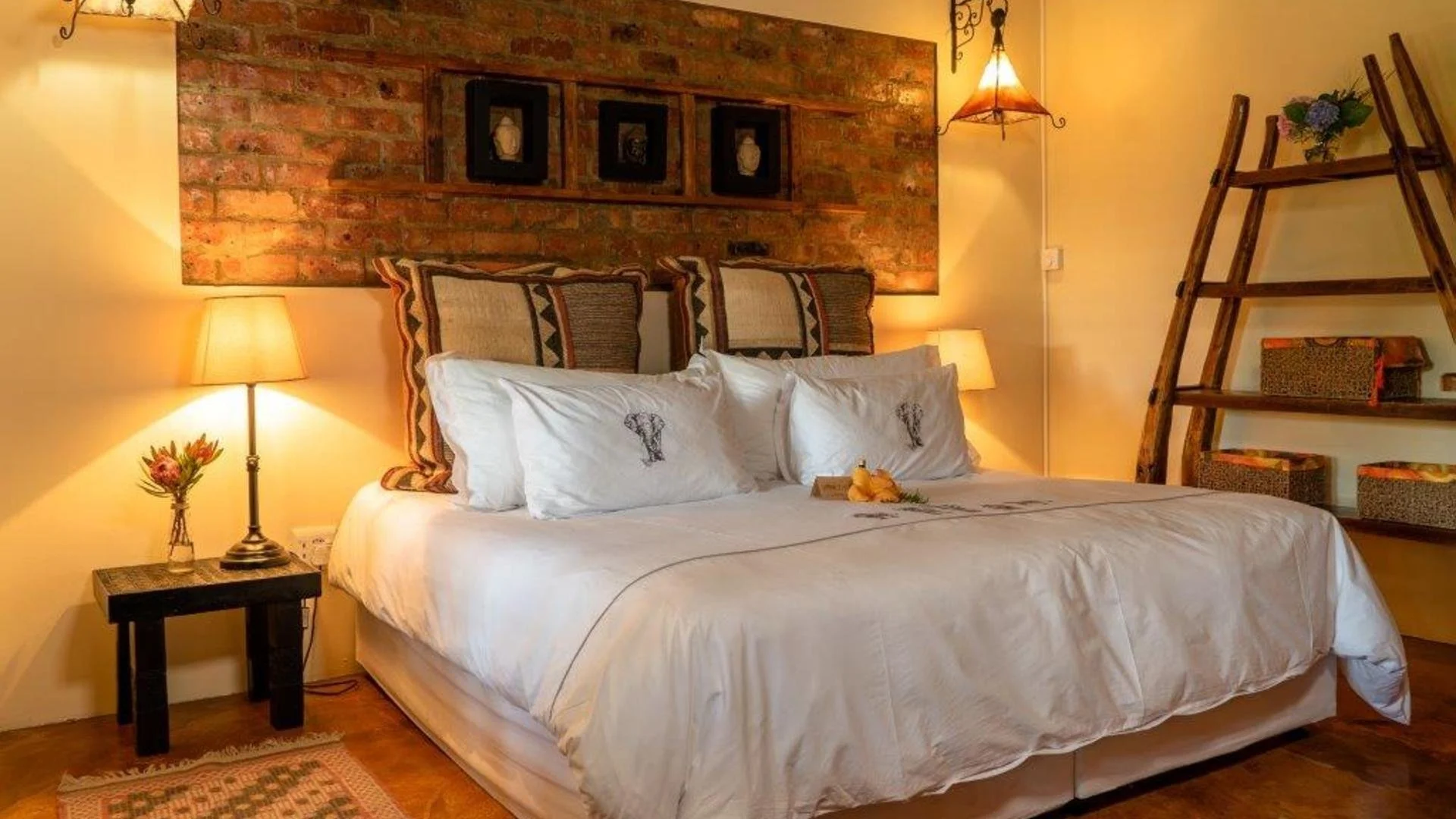
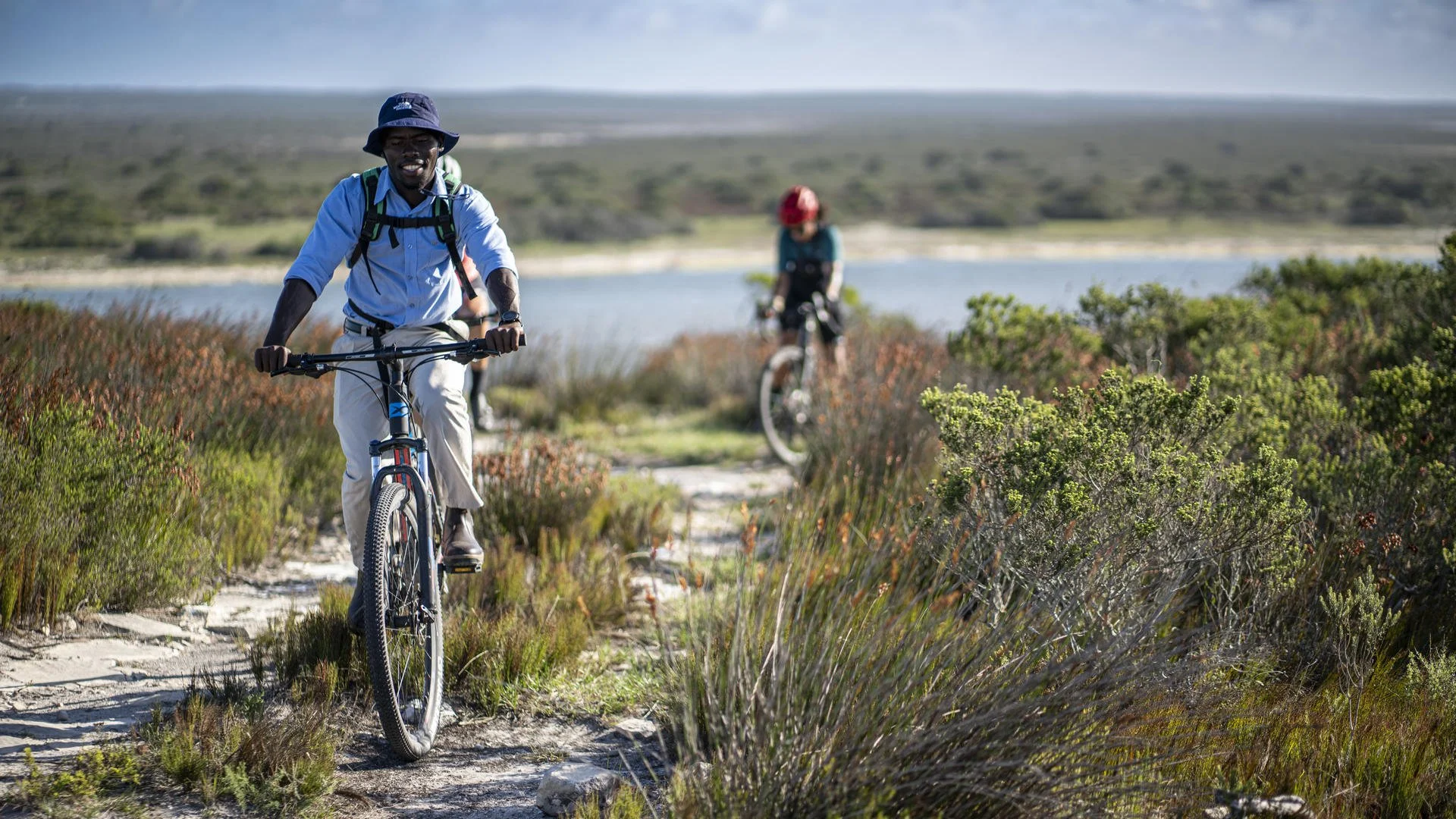
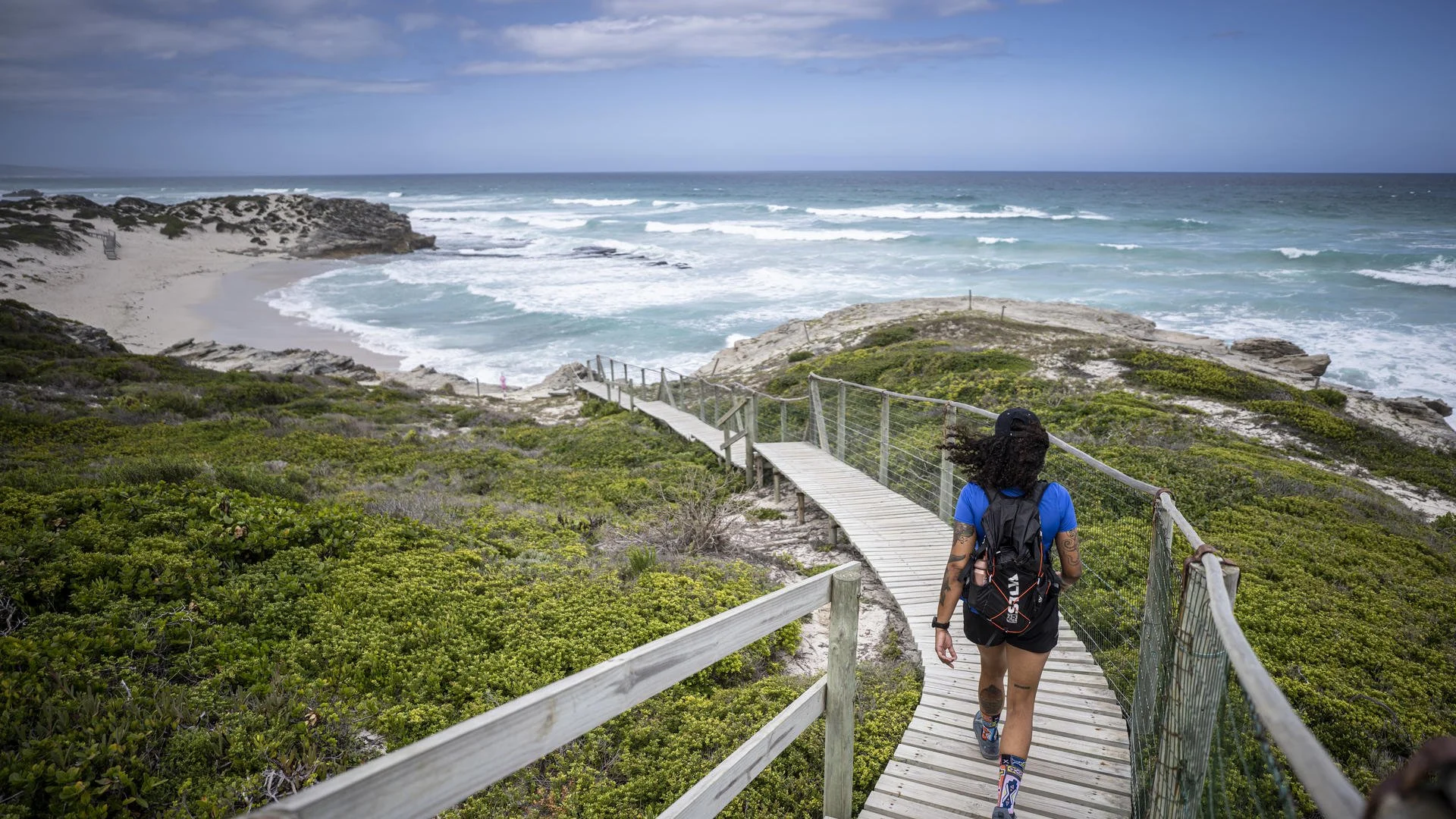
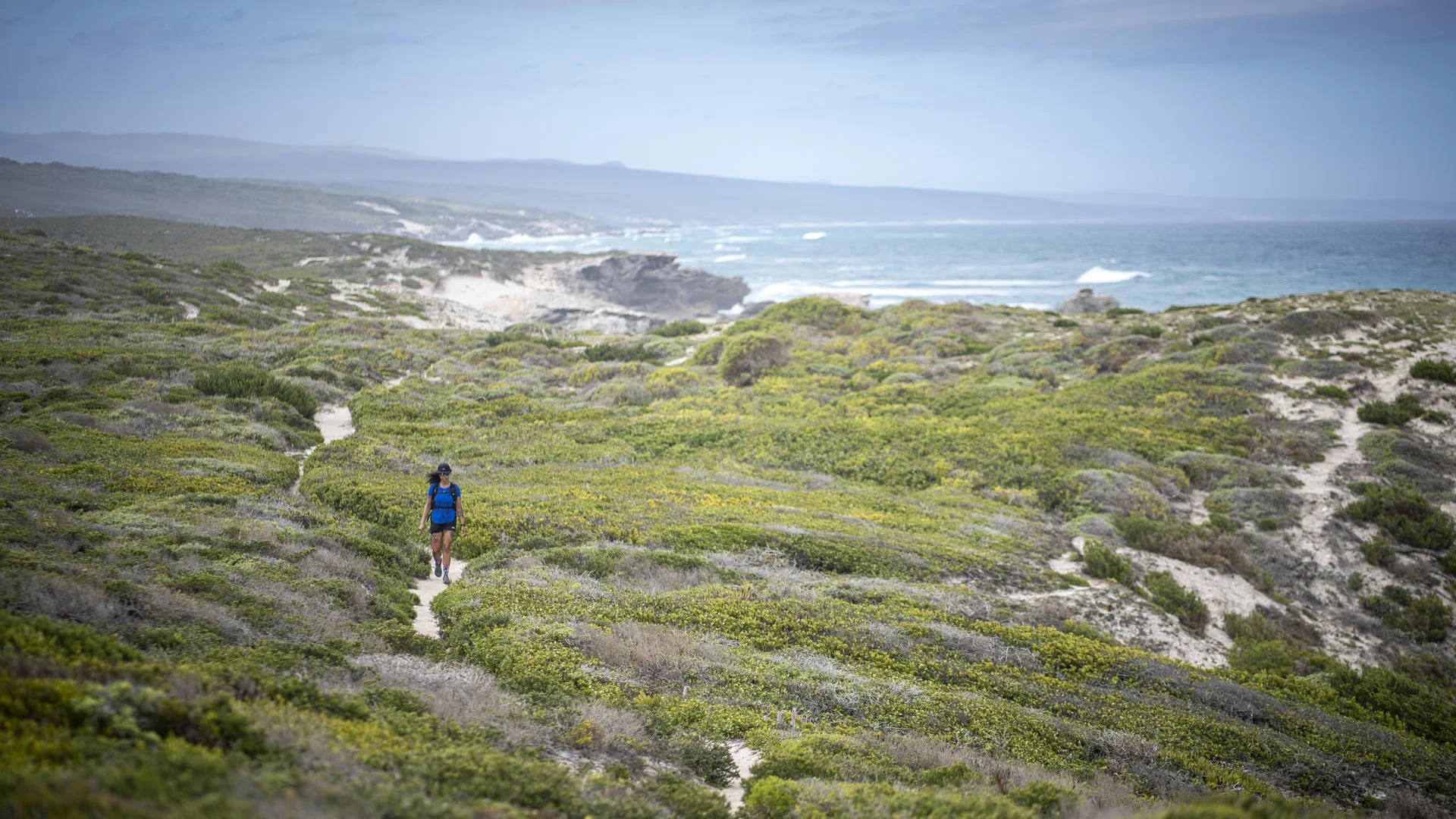
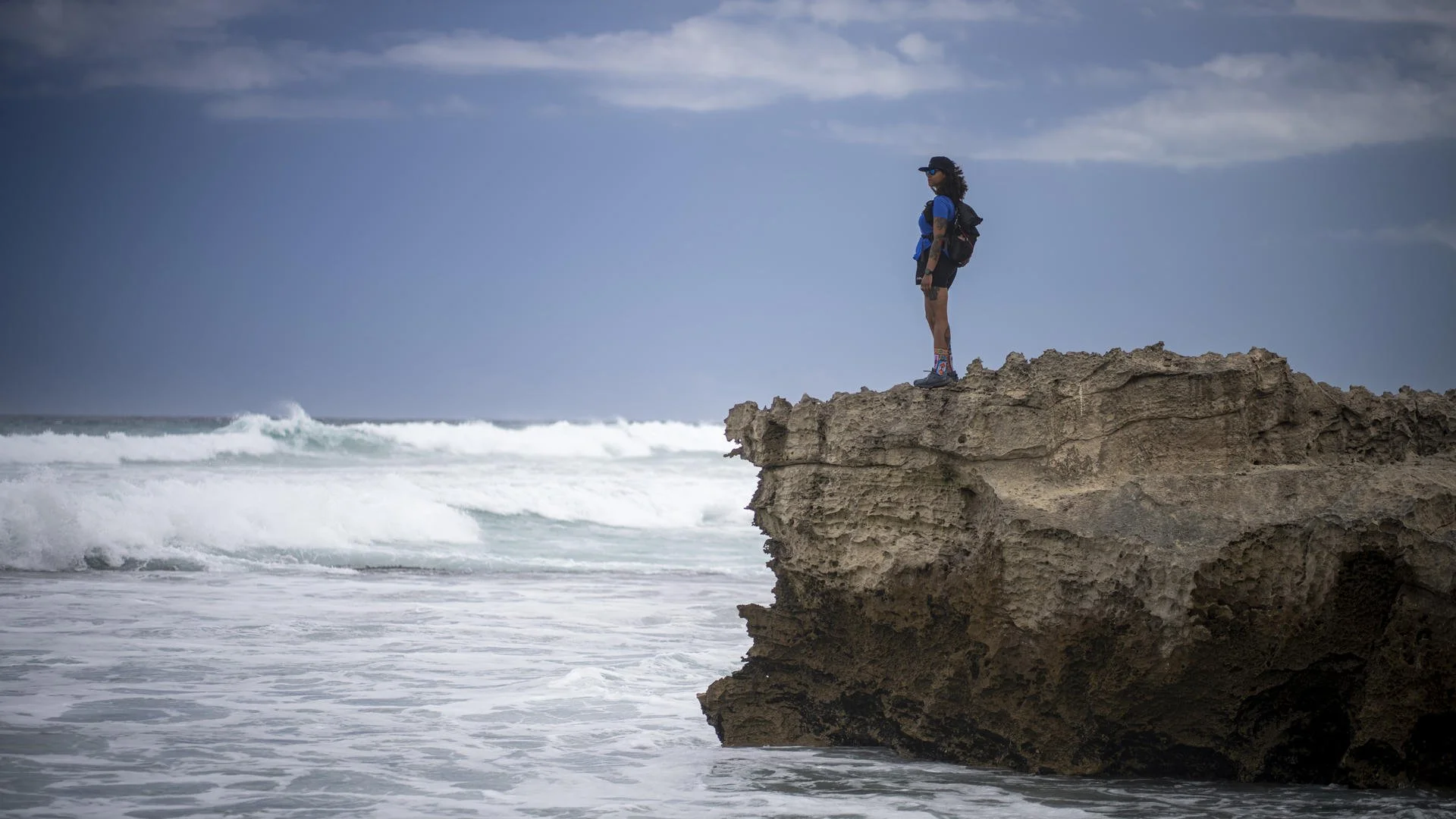
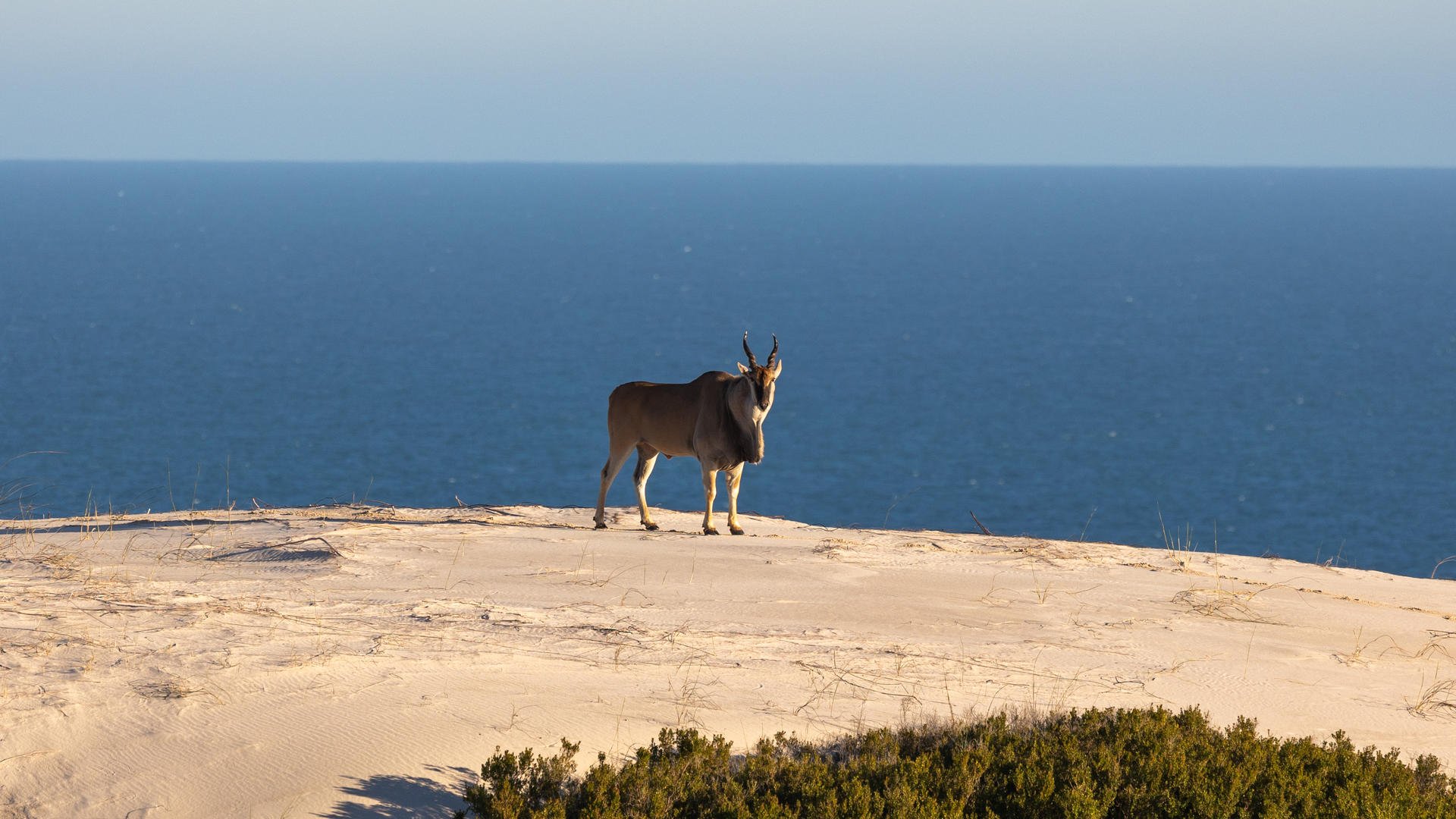
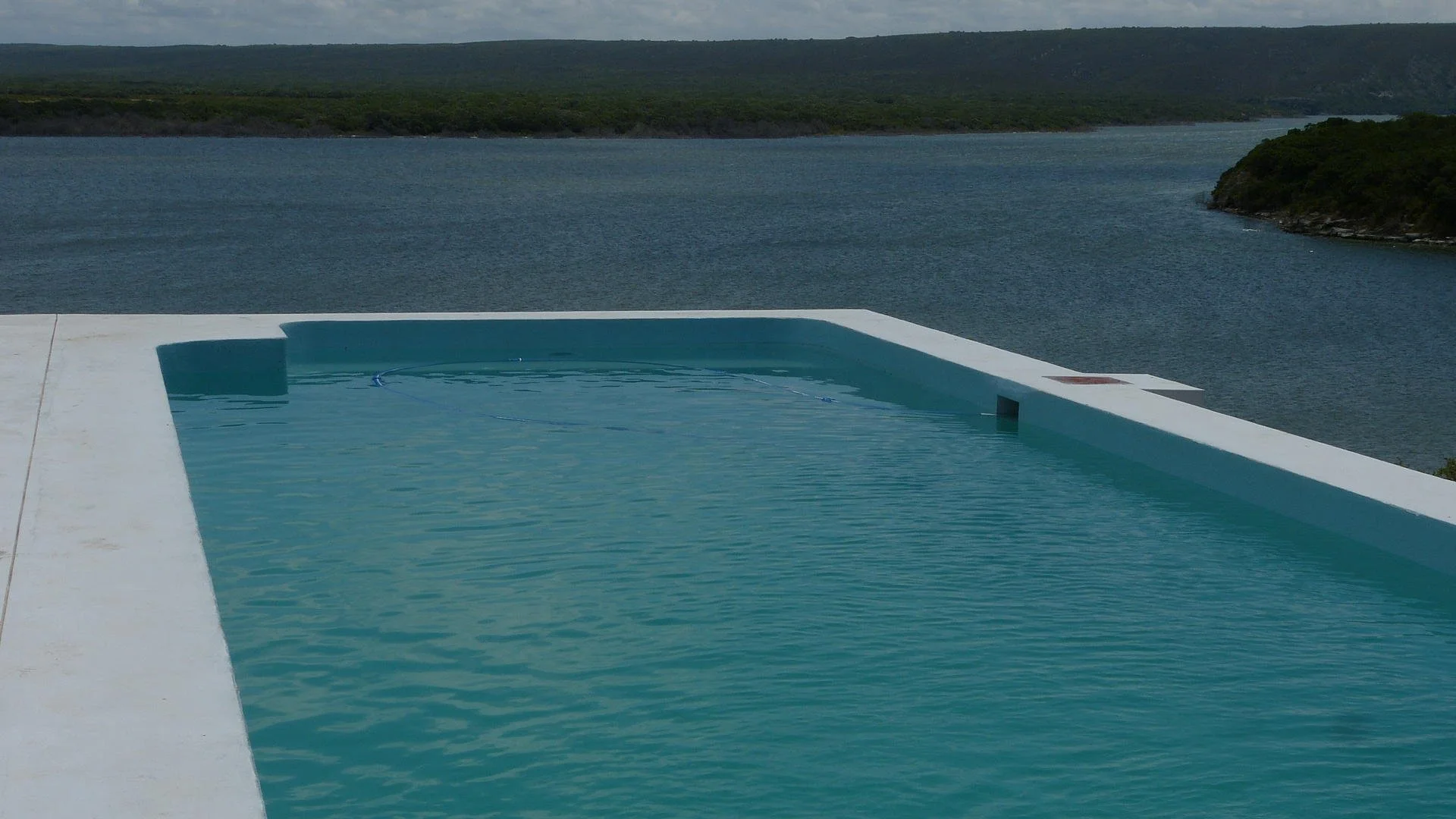
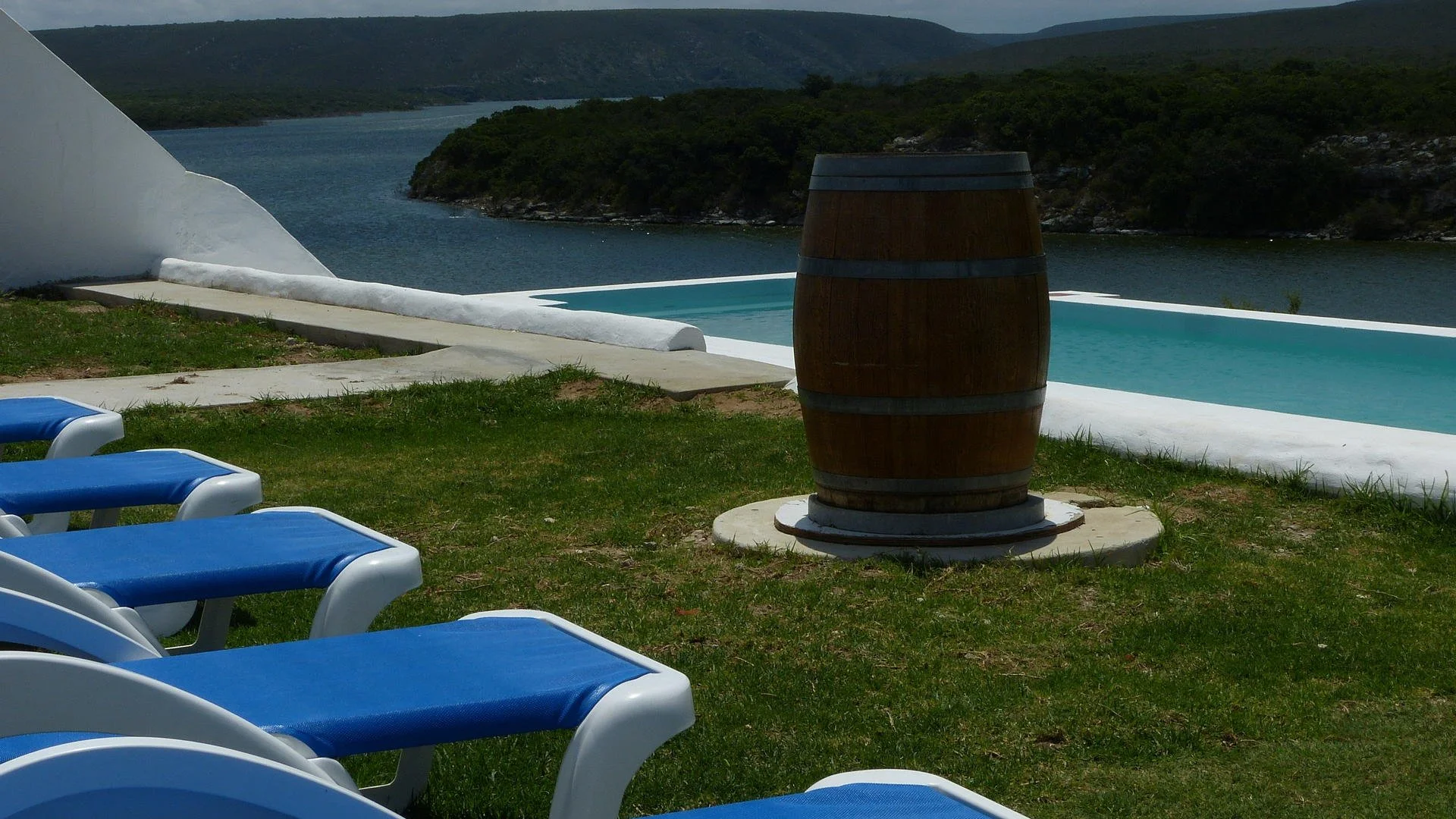
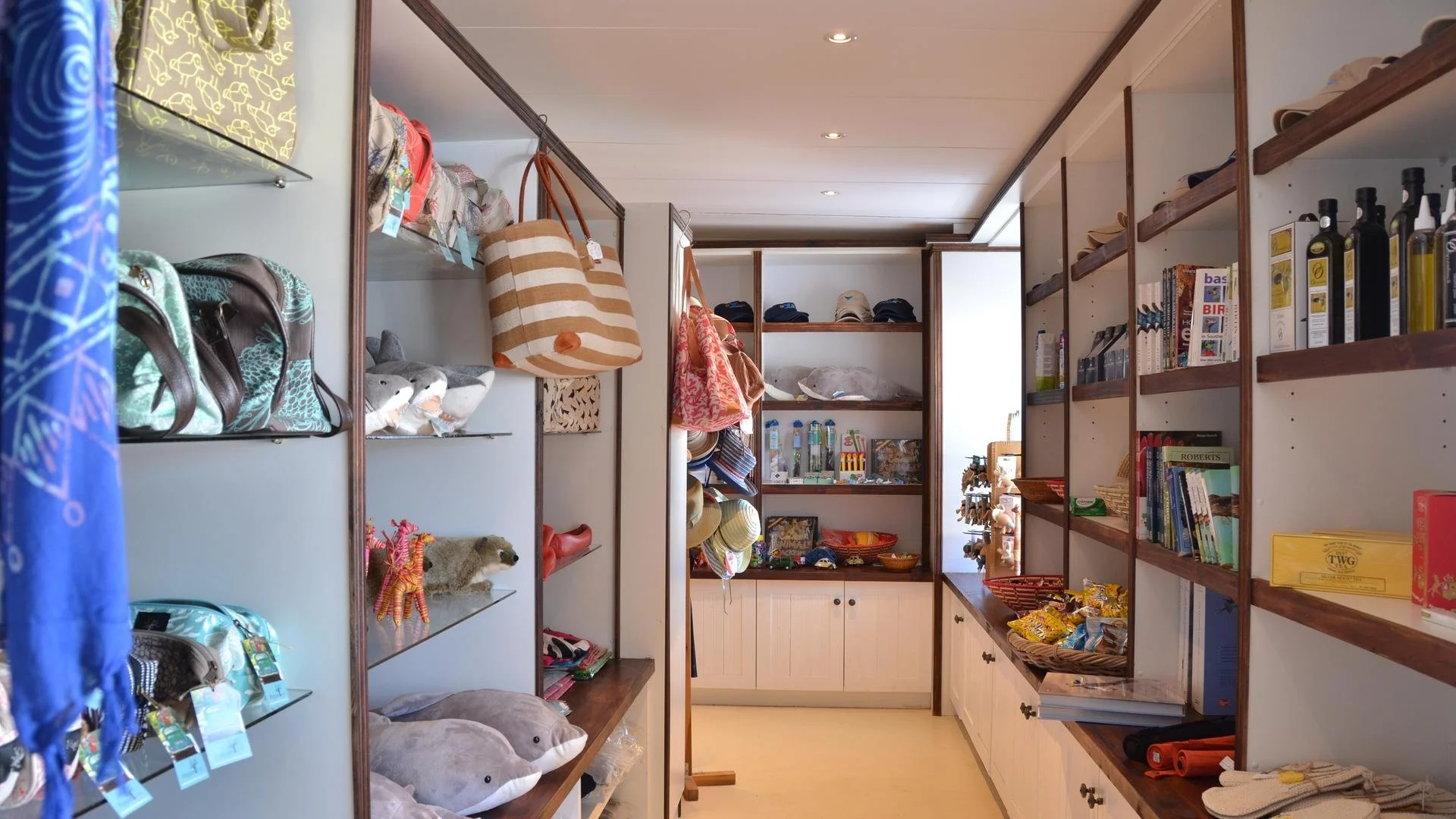
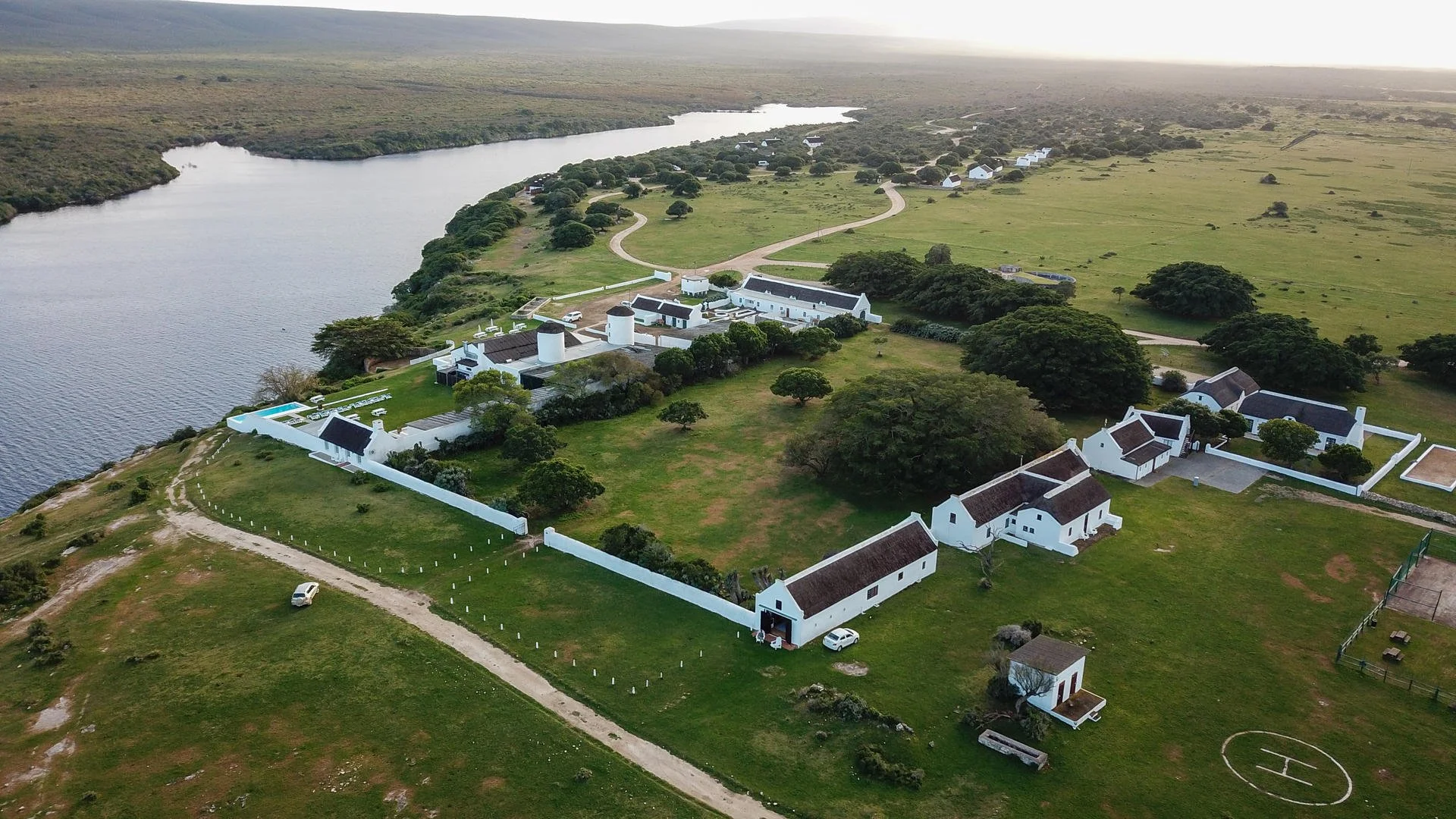
De Hoop Collection
De Hoop Nature Reserve | Oct 19–21 | 2 nights
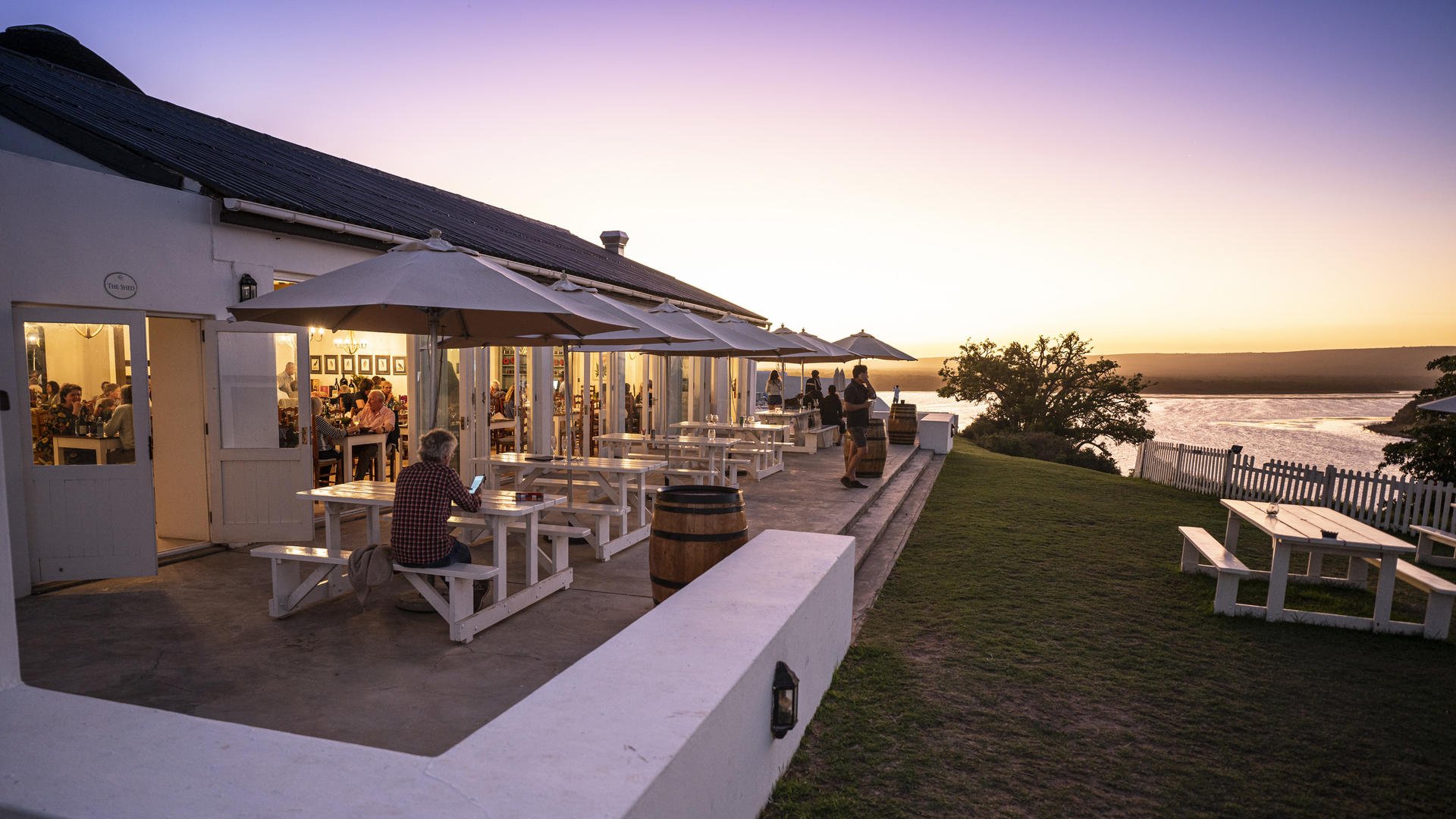
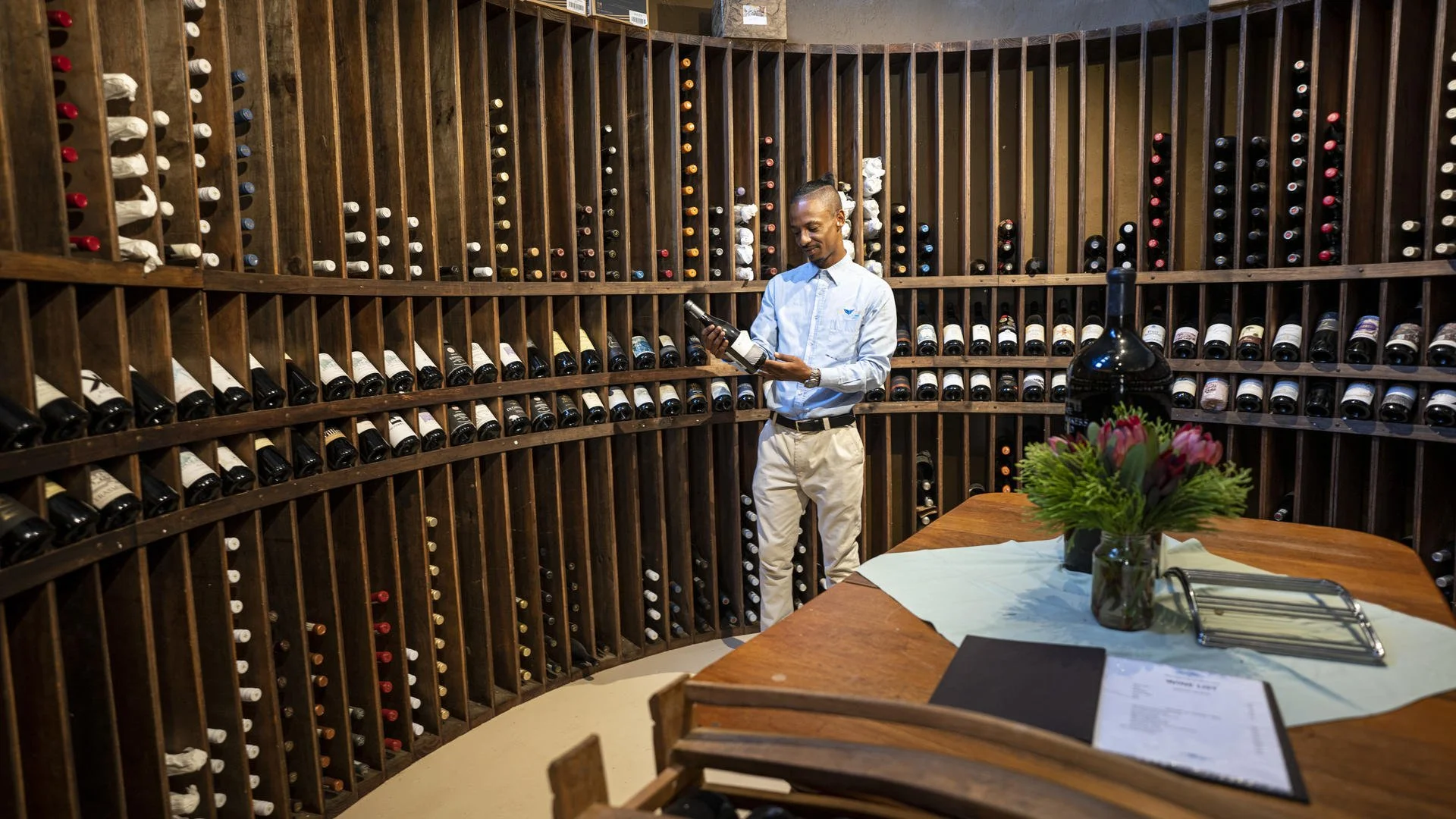

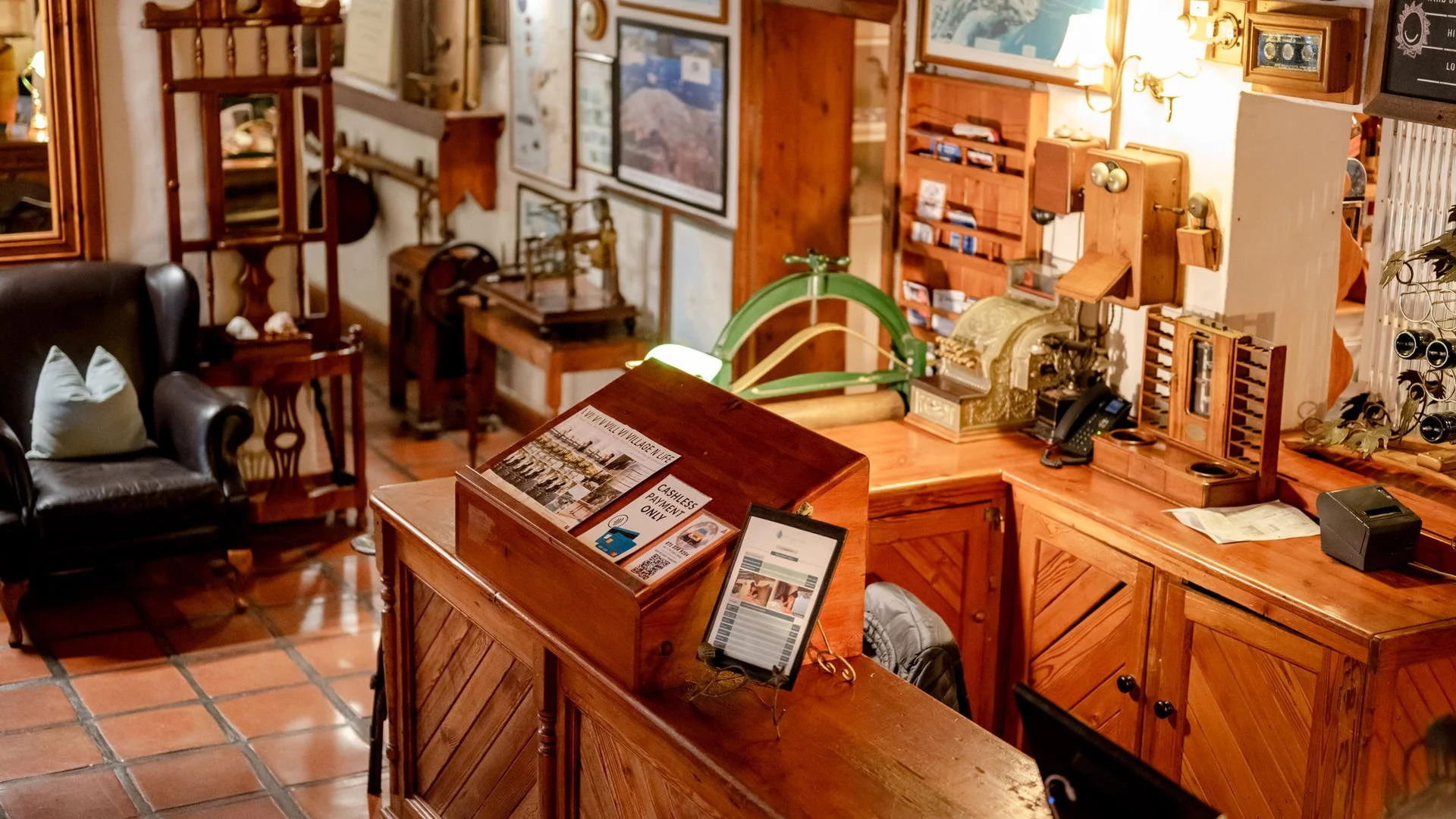
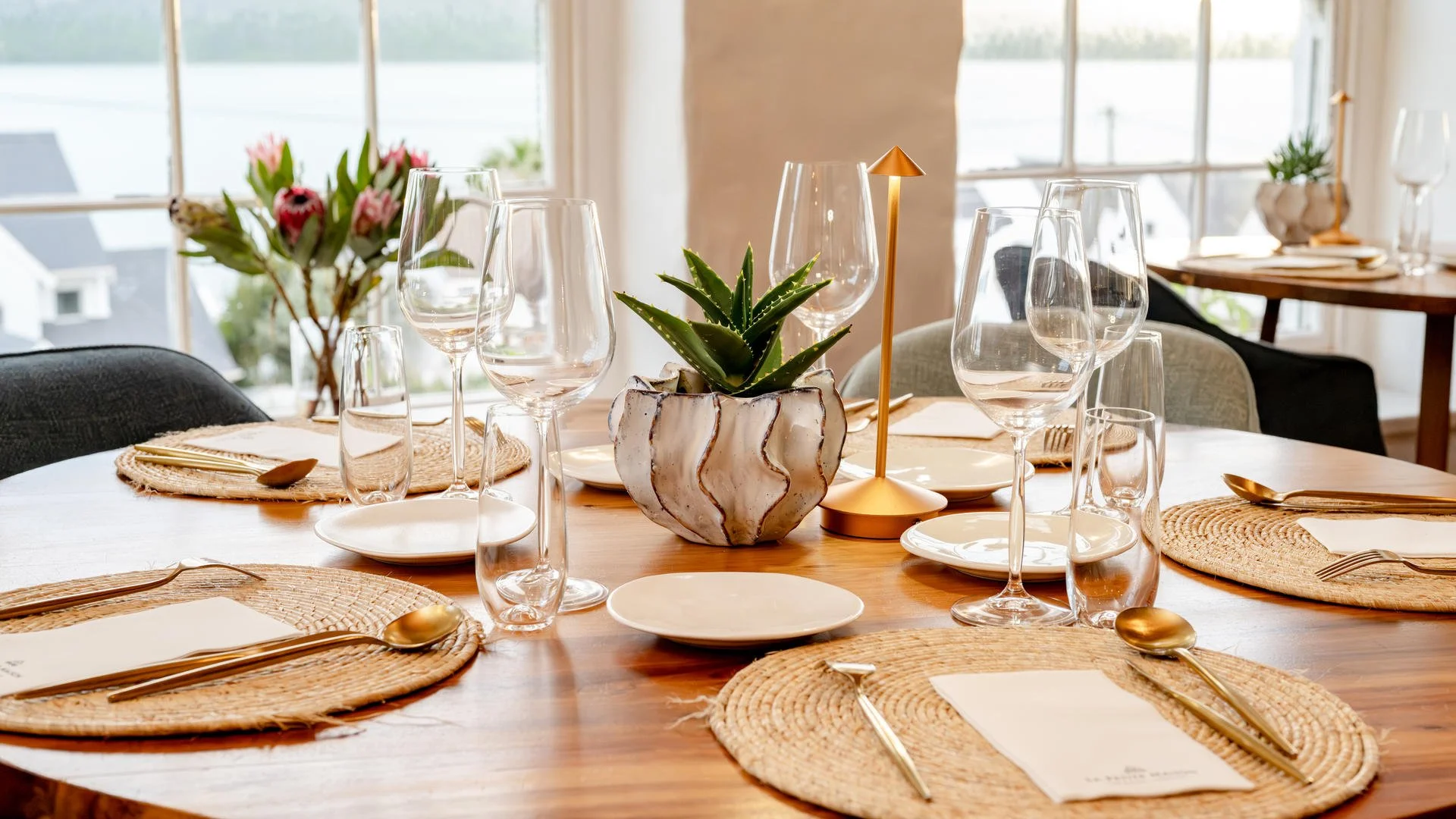
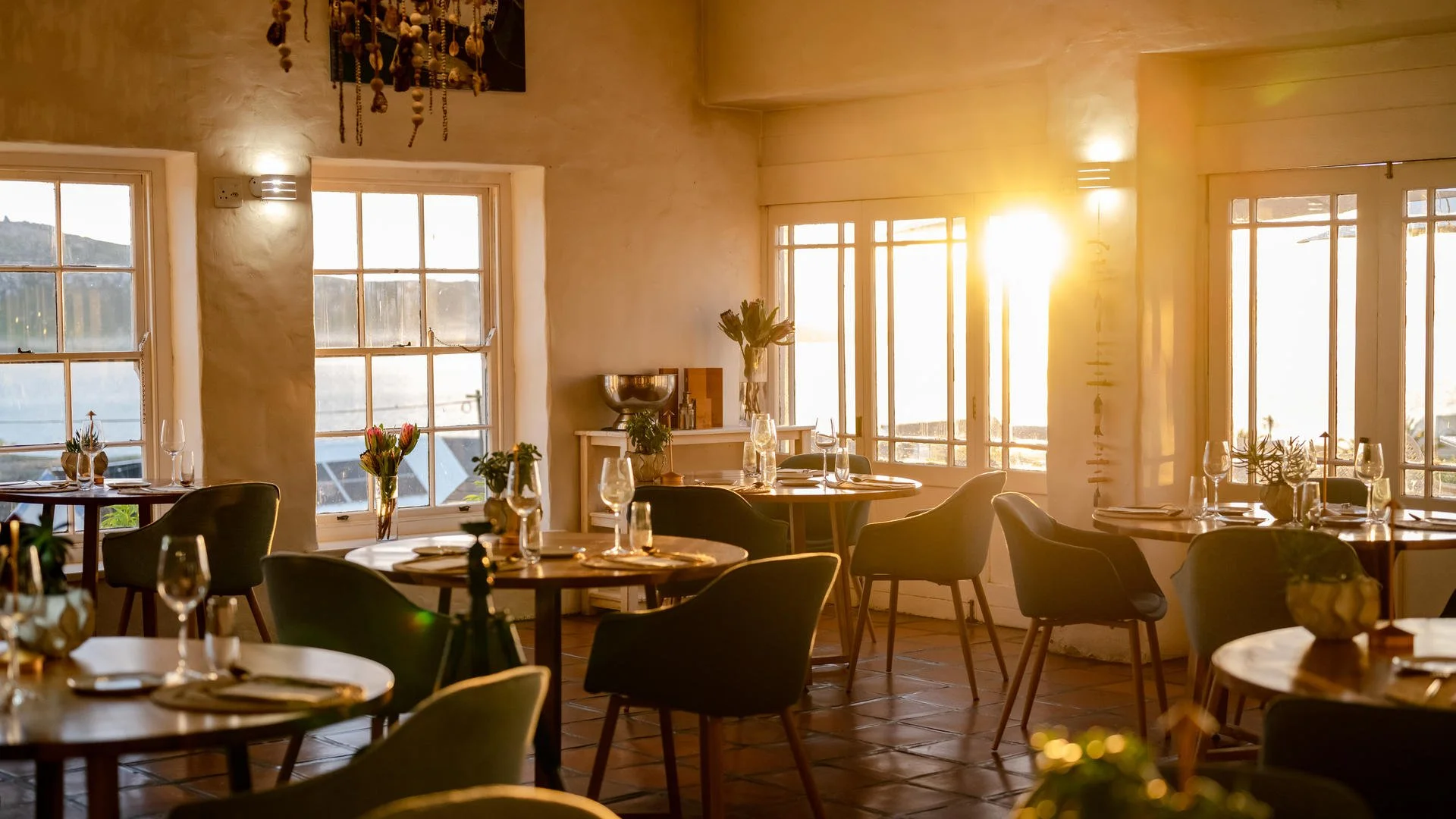
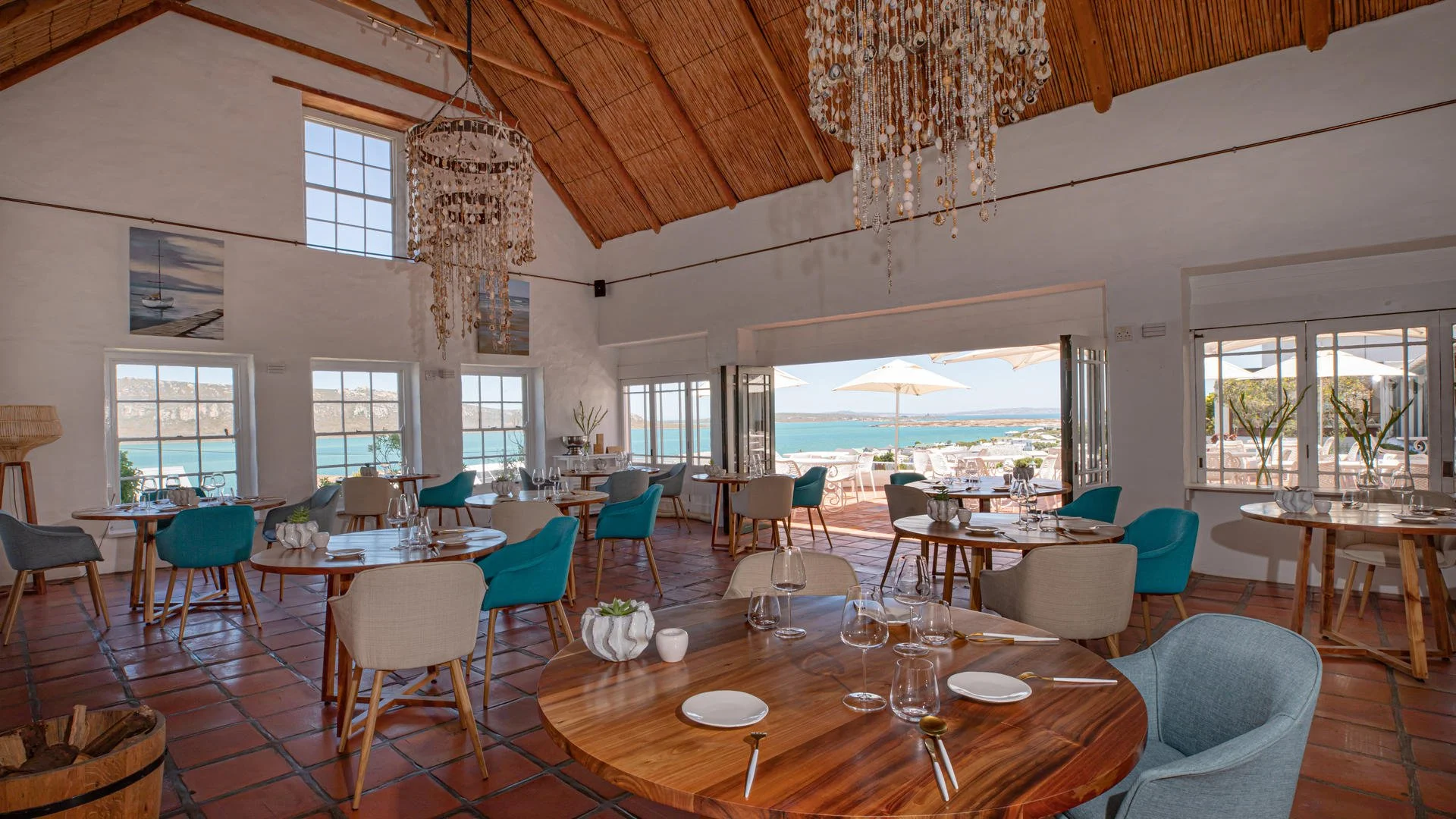
The Village Restaurant & Guesthouse
Cederberg / Ceres | Oct 21–23 | 2 nights
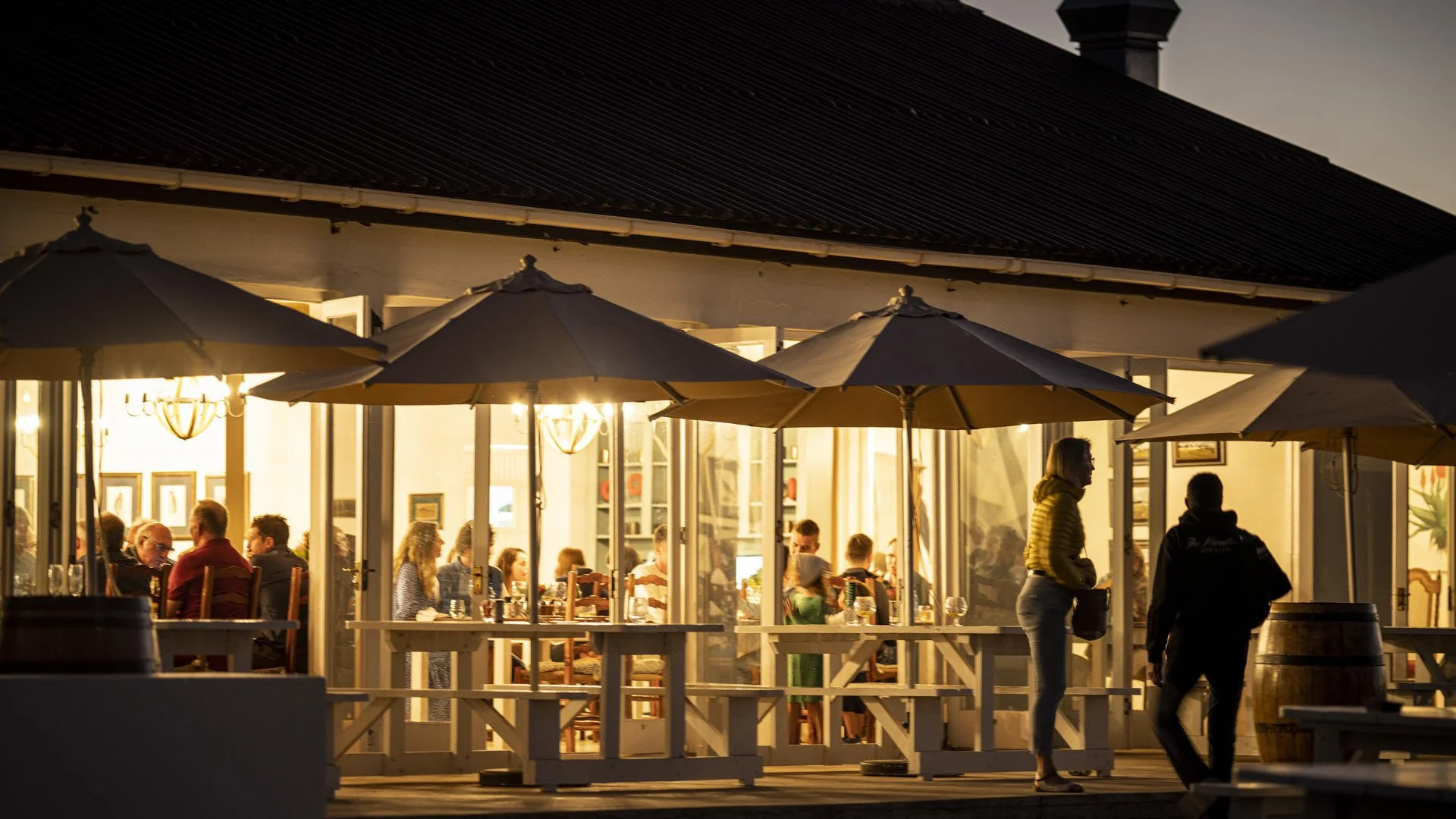
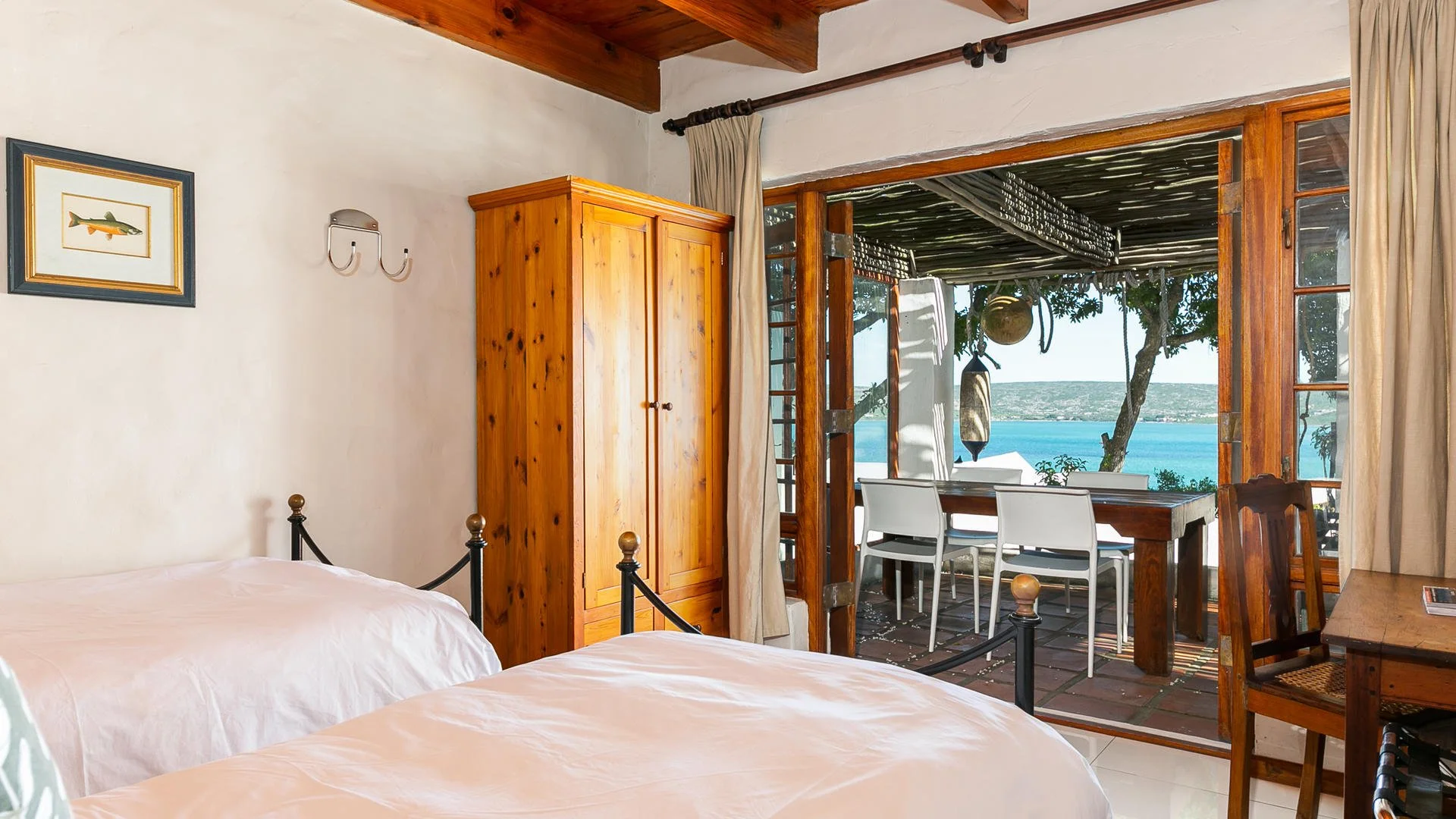
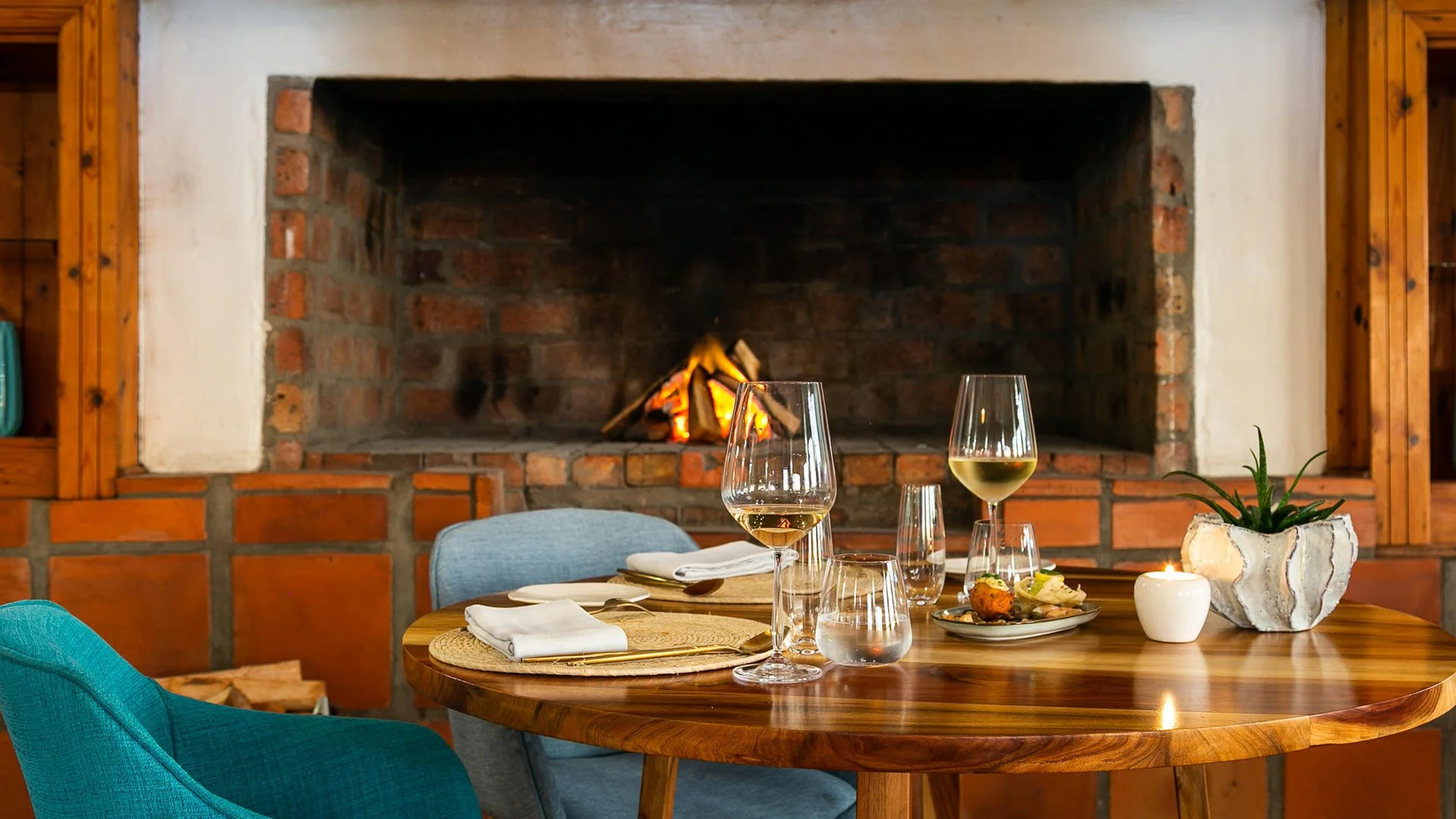
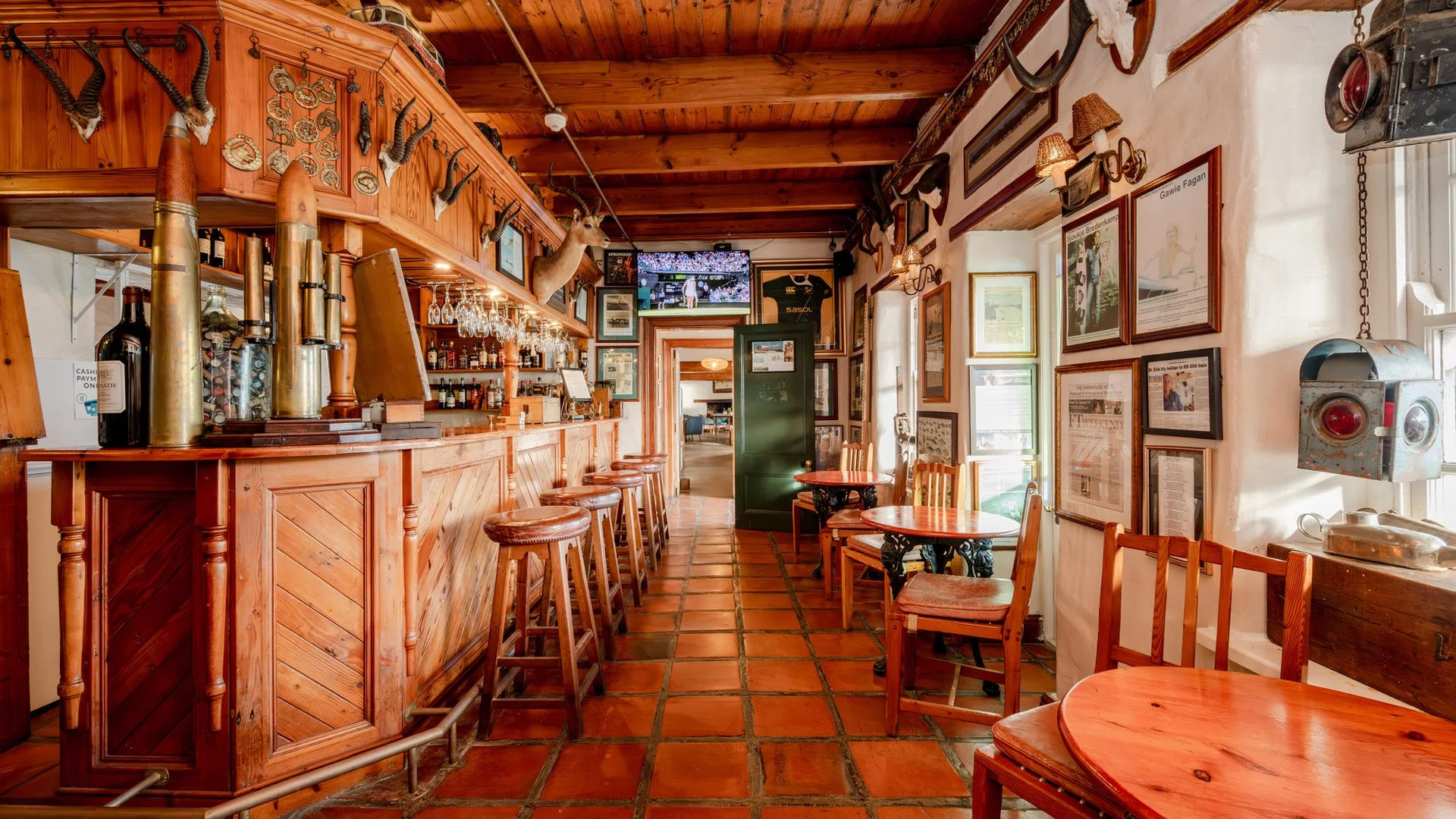
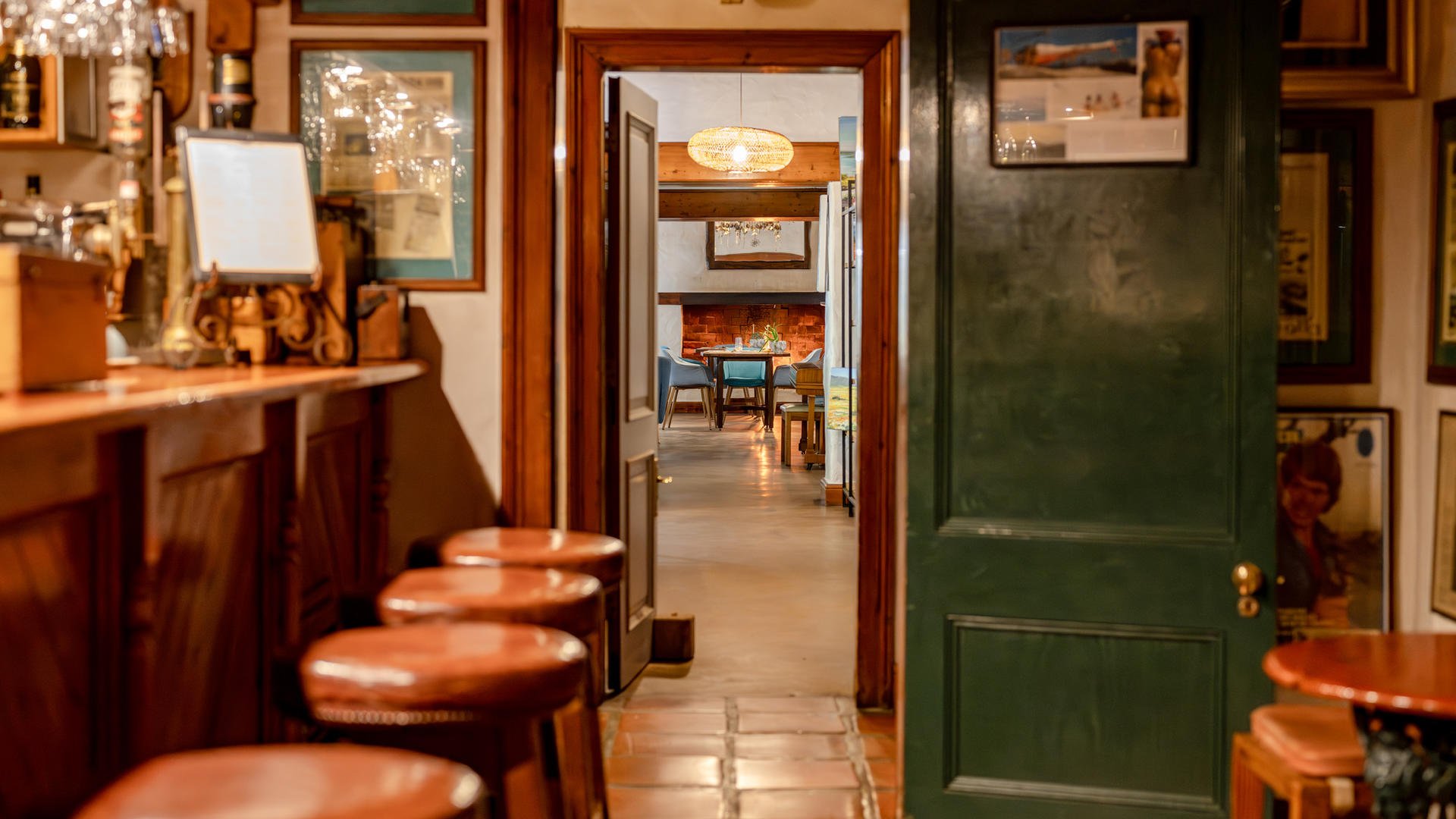
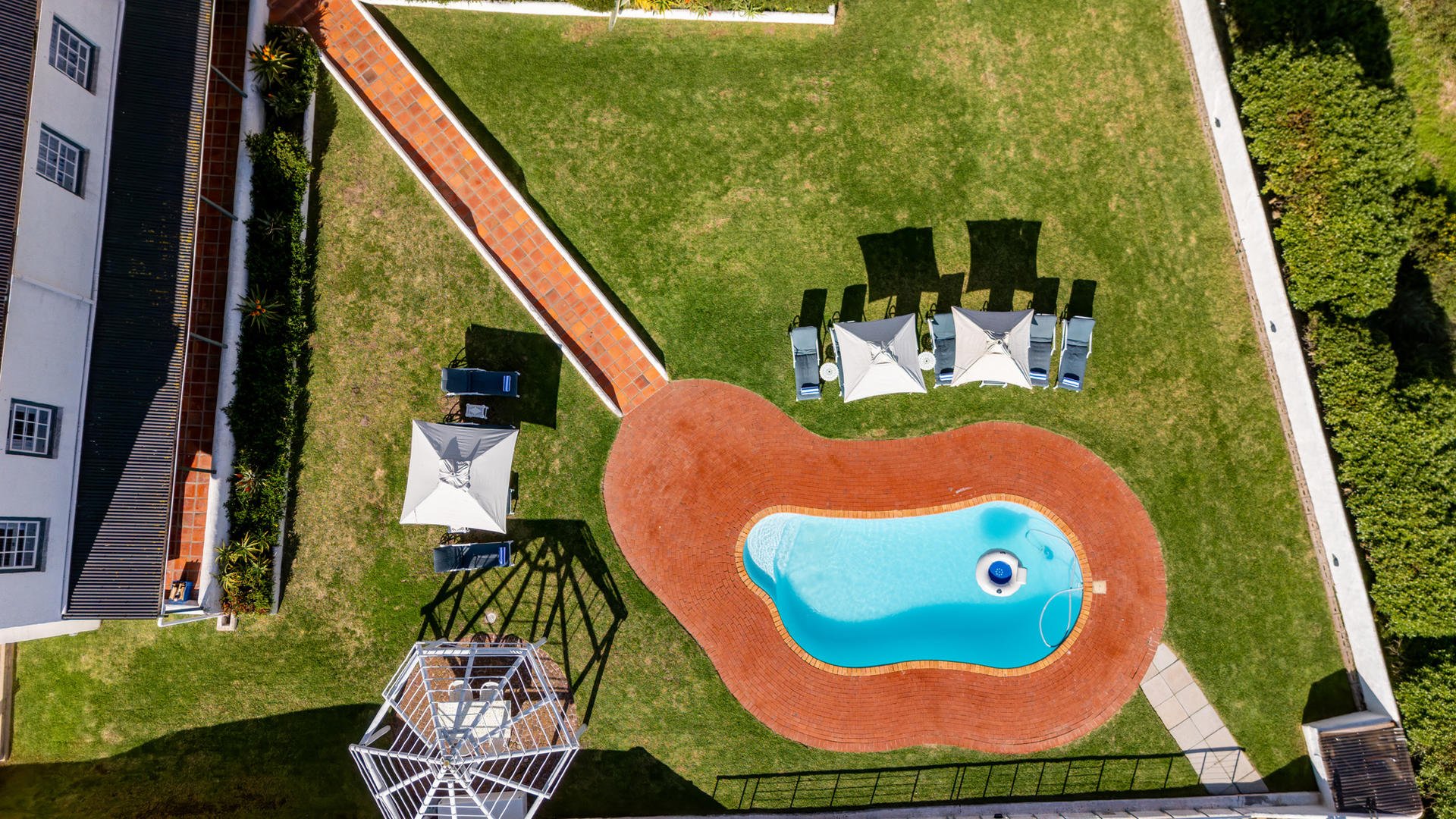
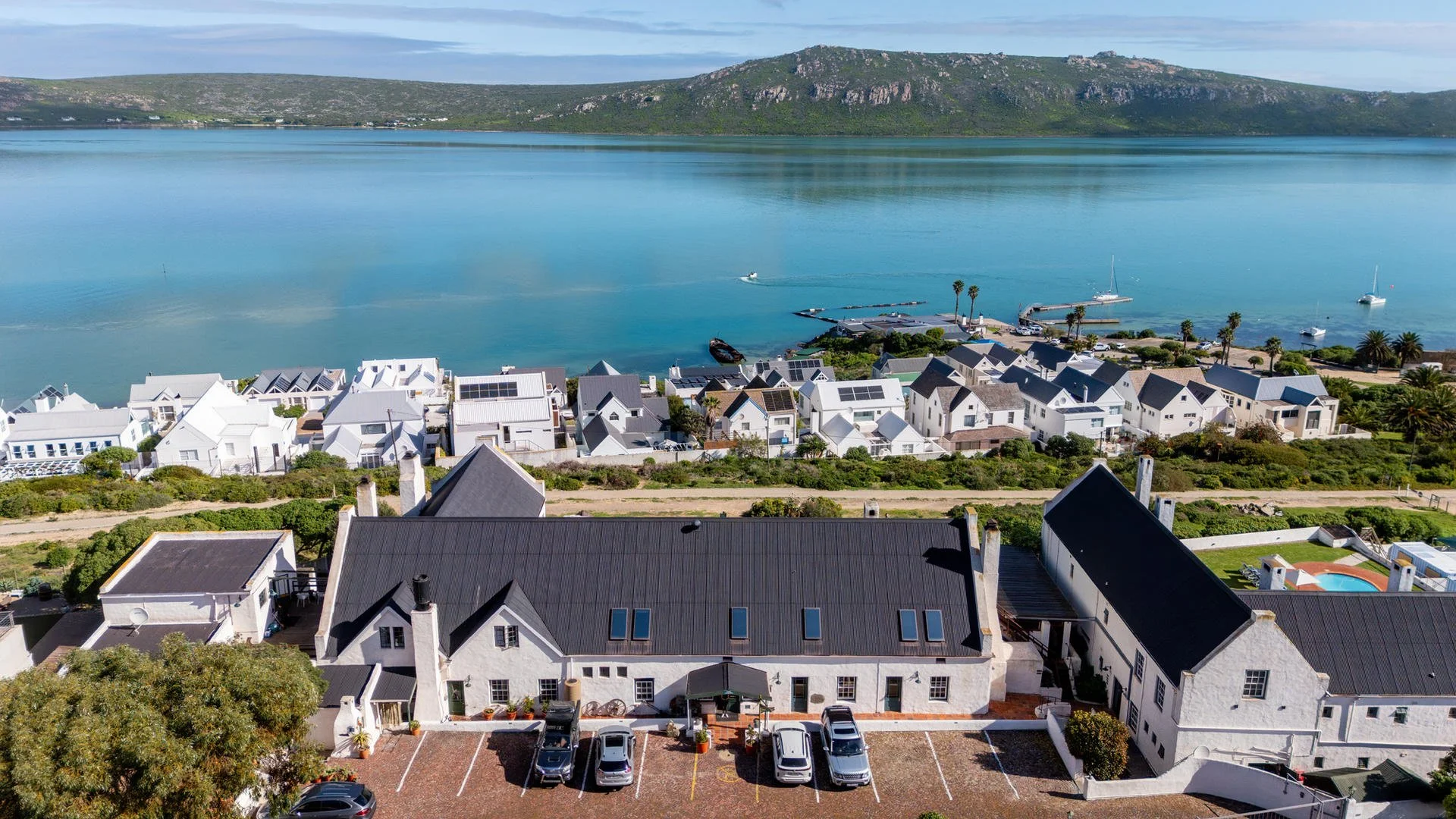
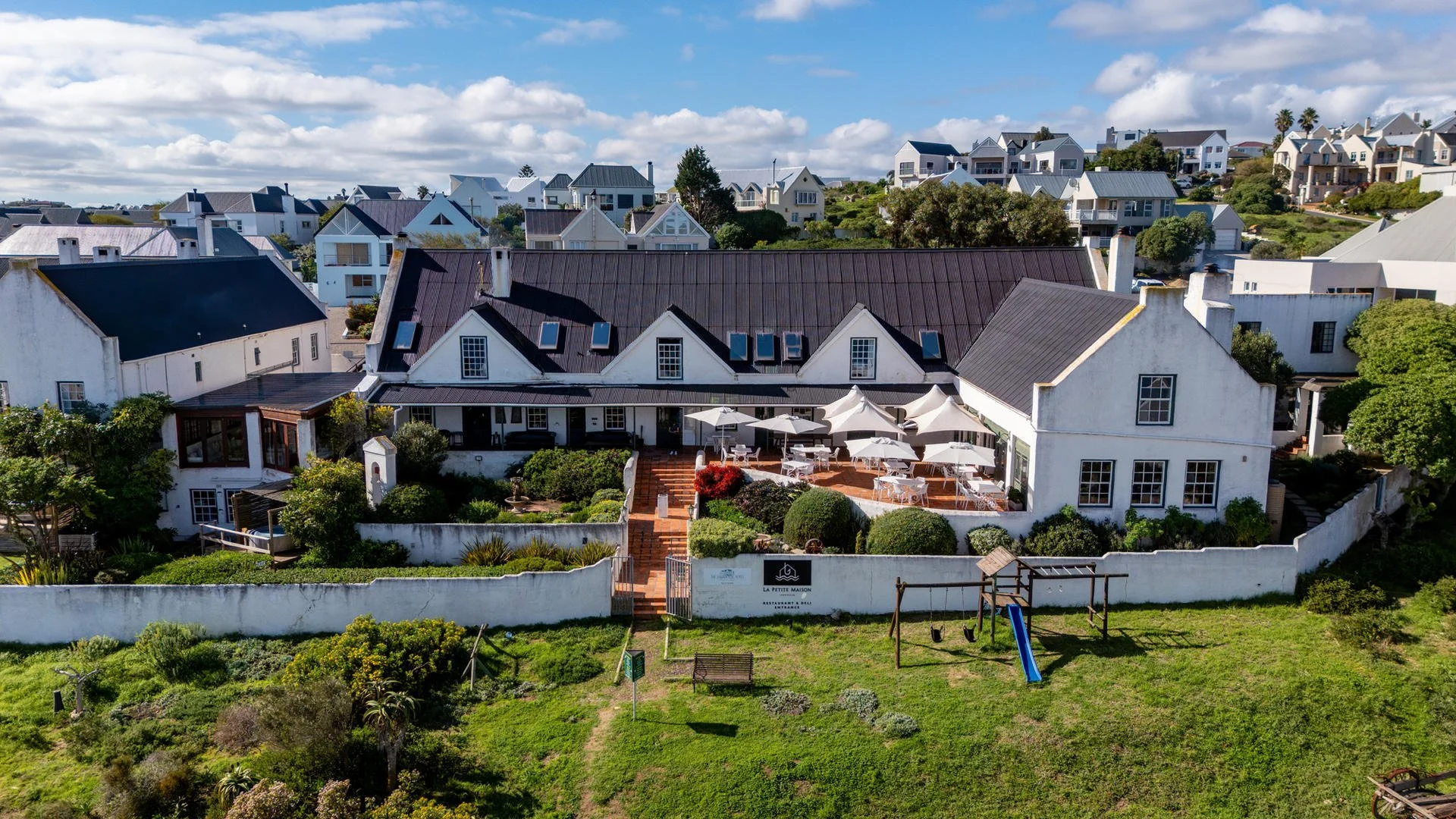
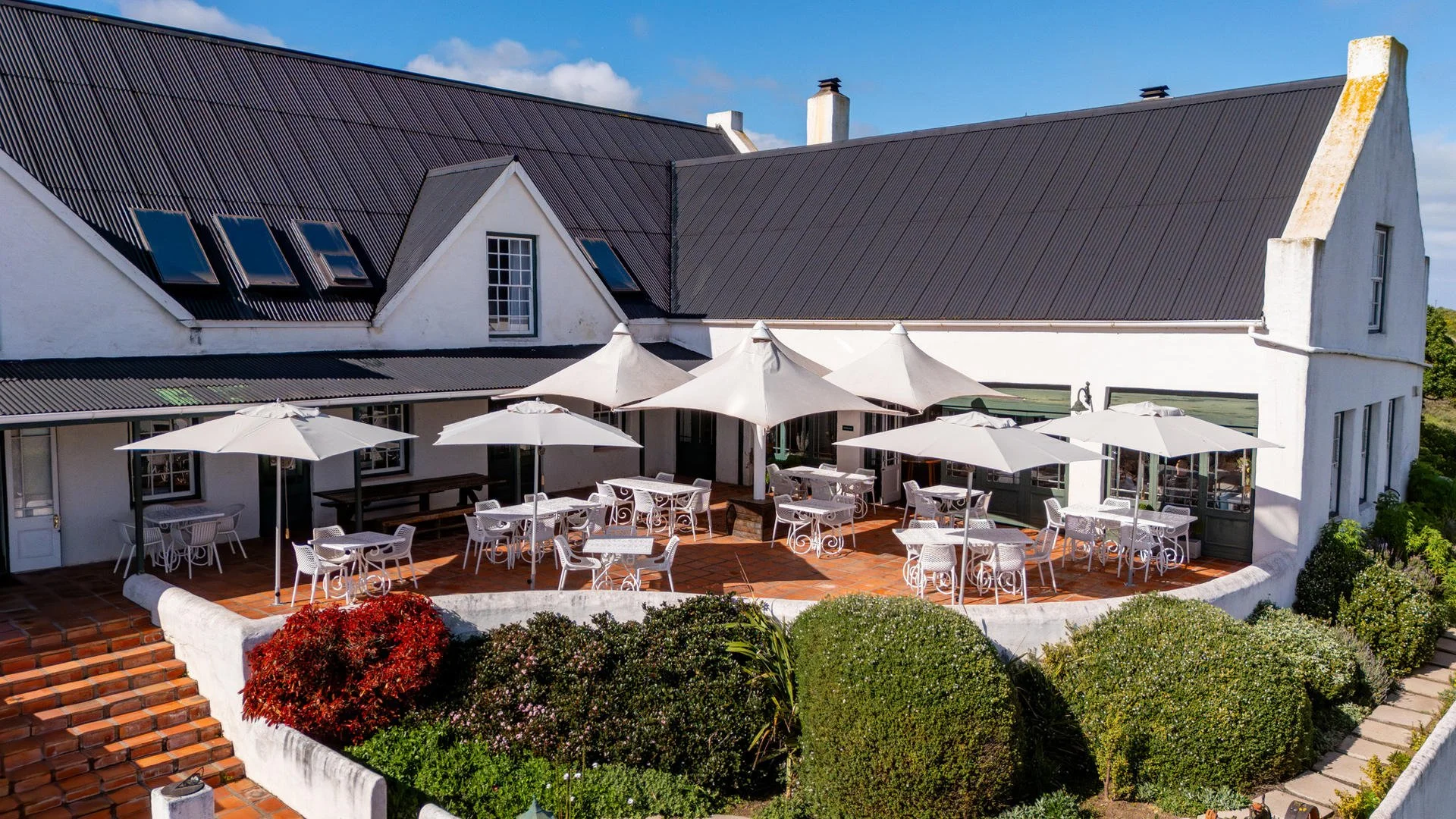
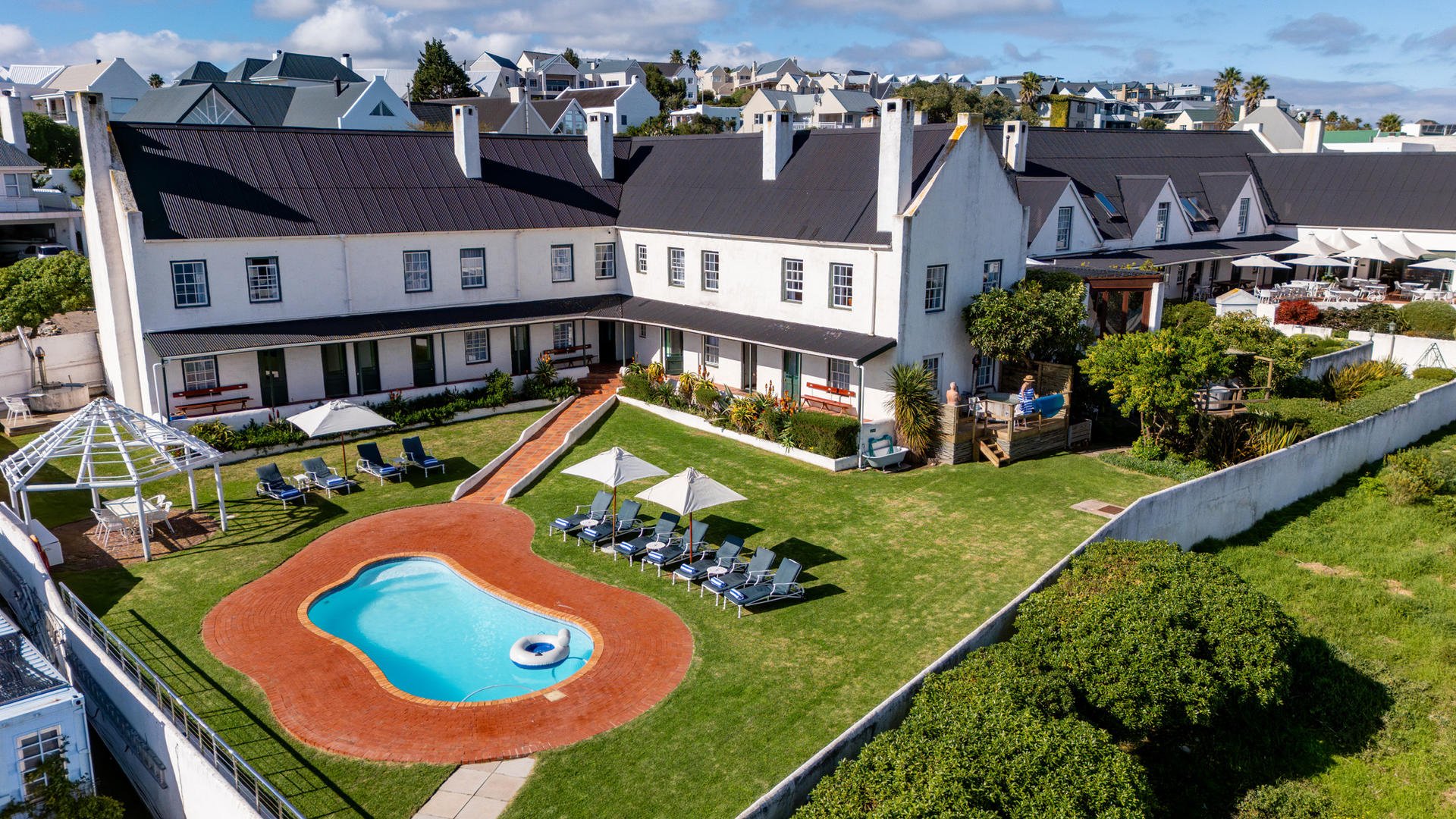
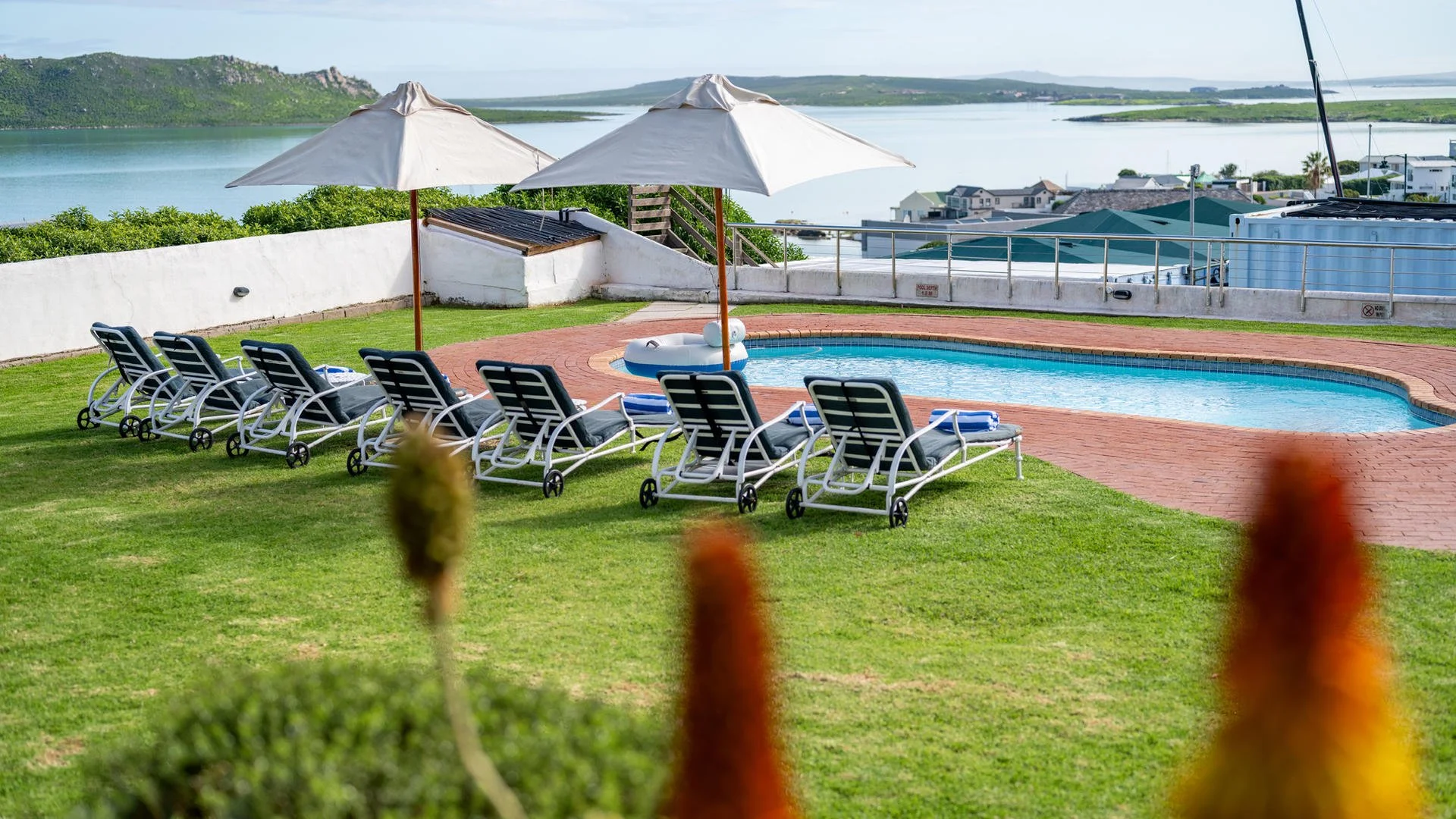
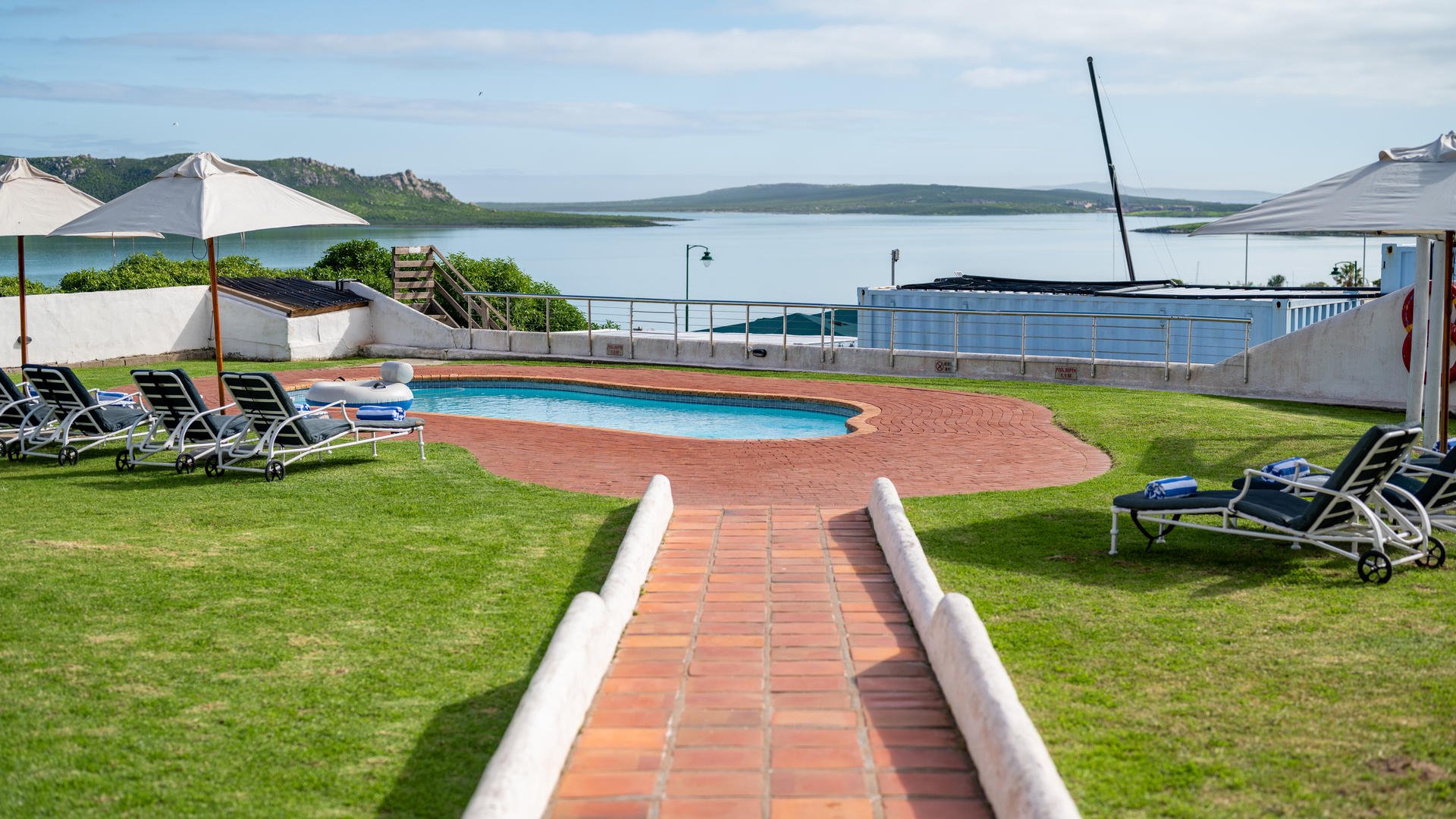
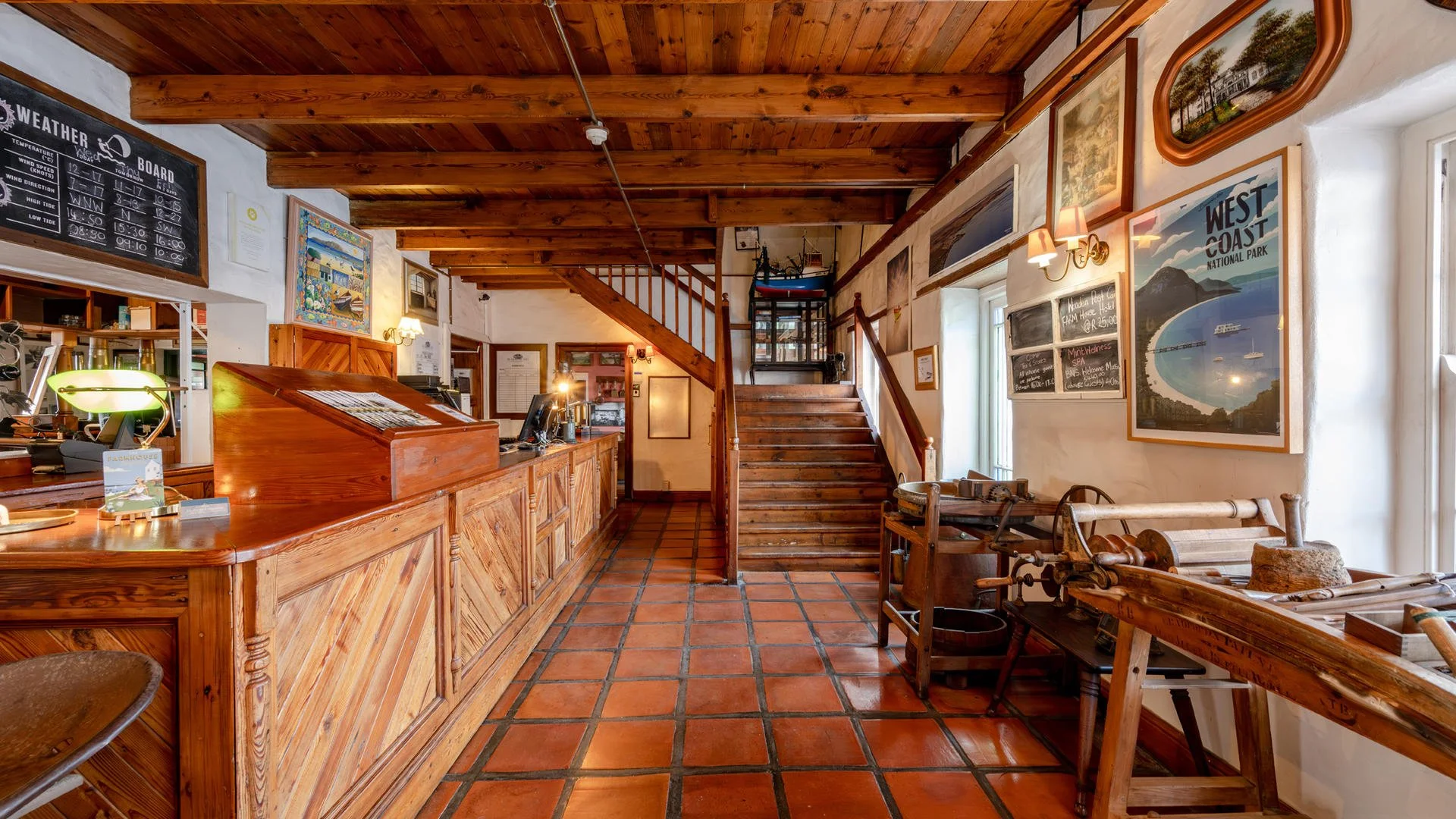
The Farmhouse Hotel
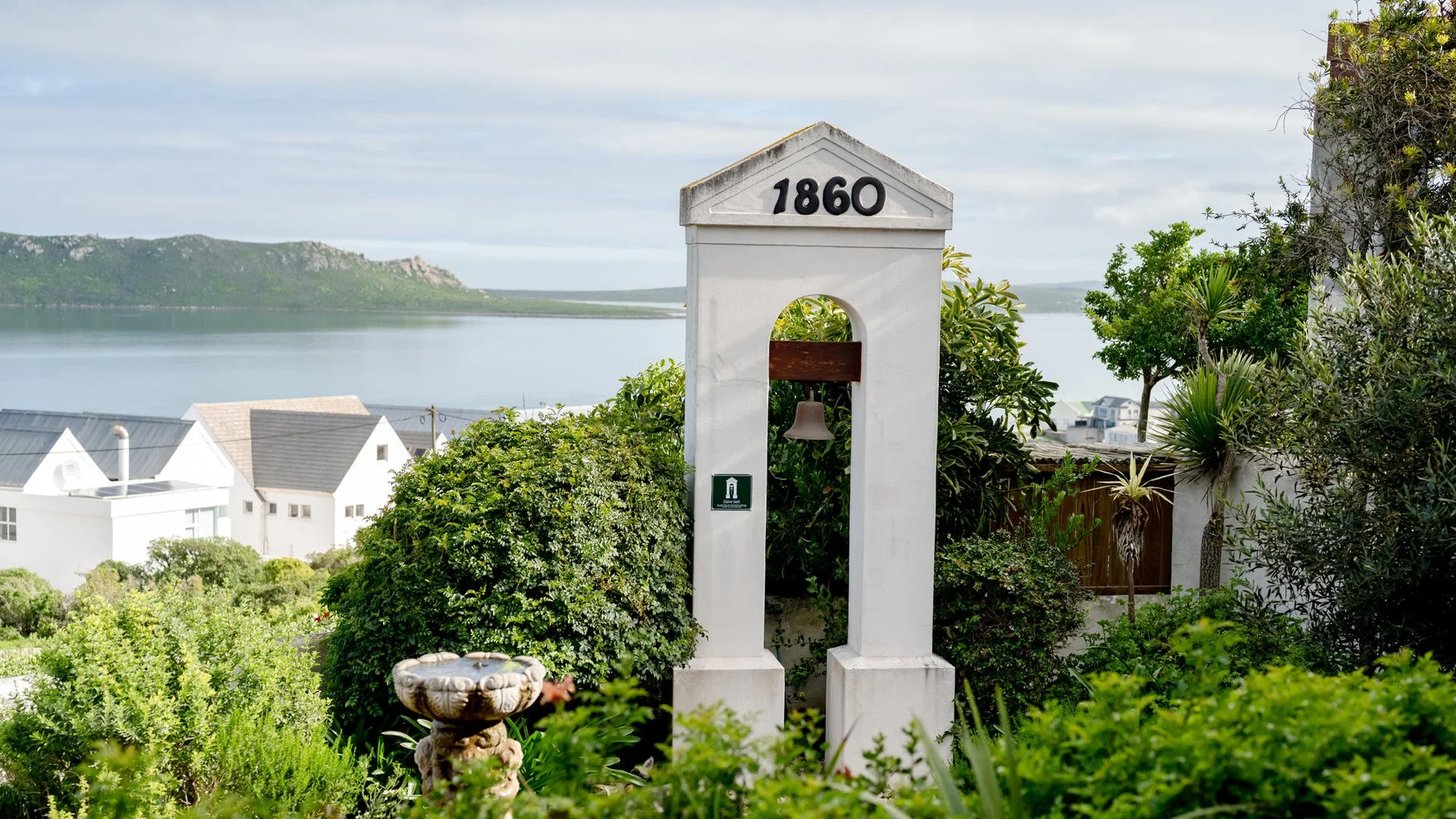
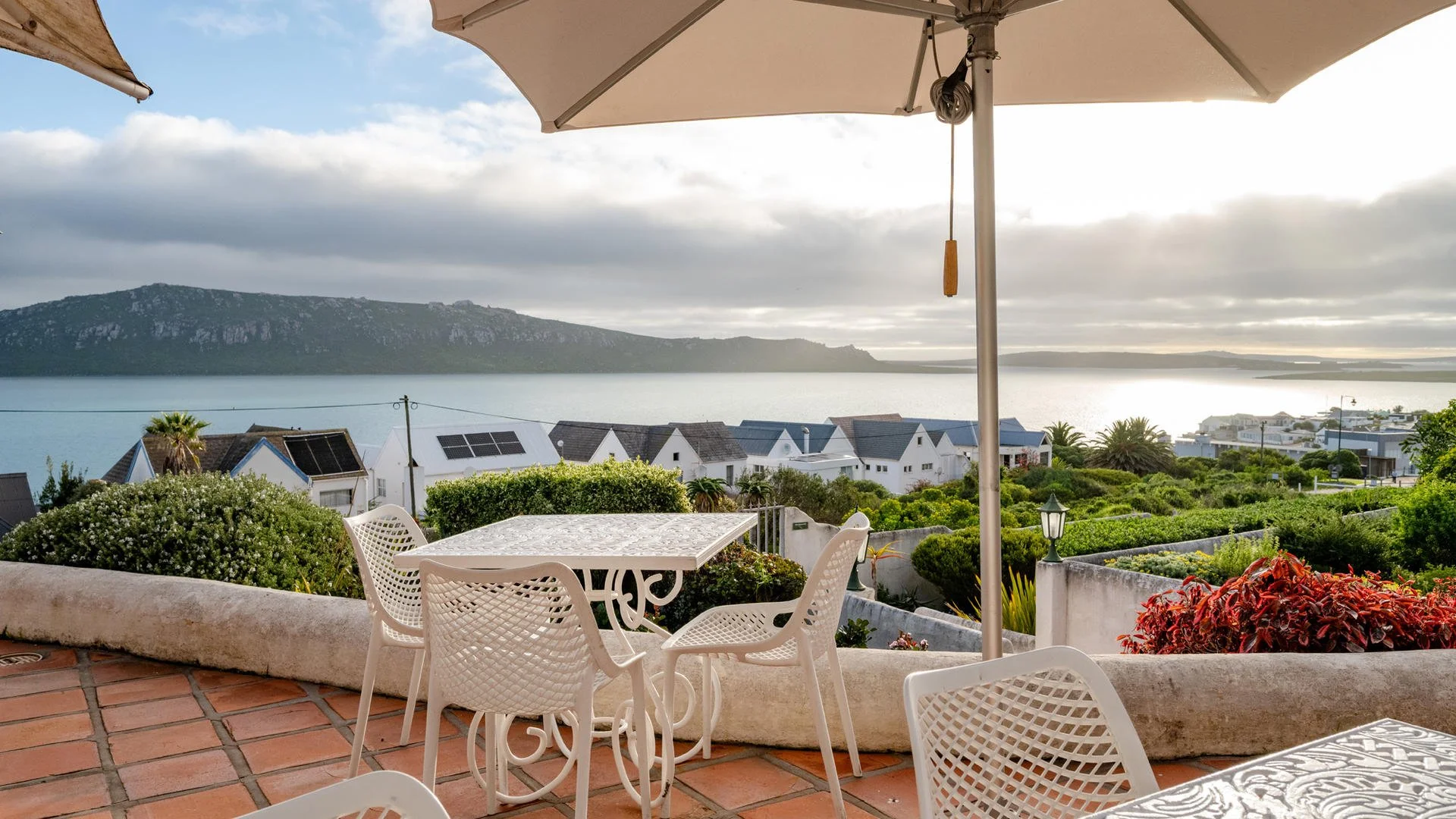
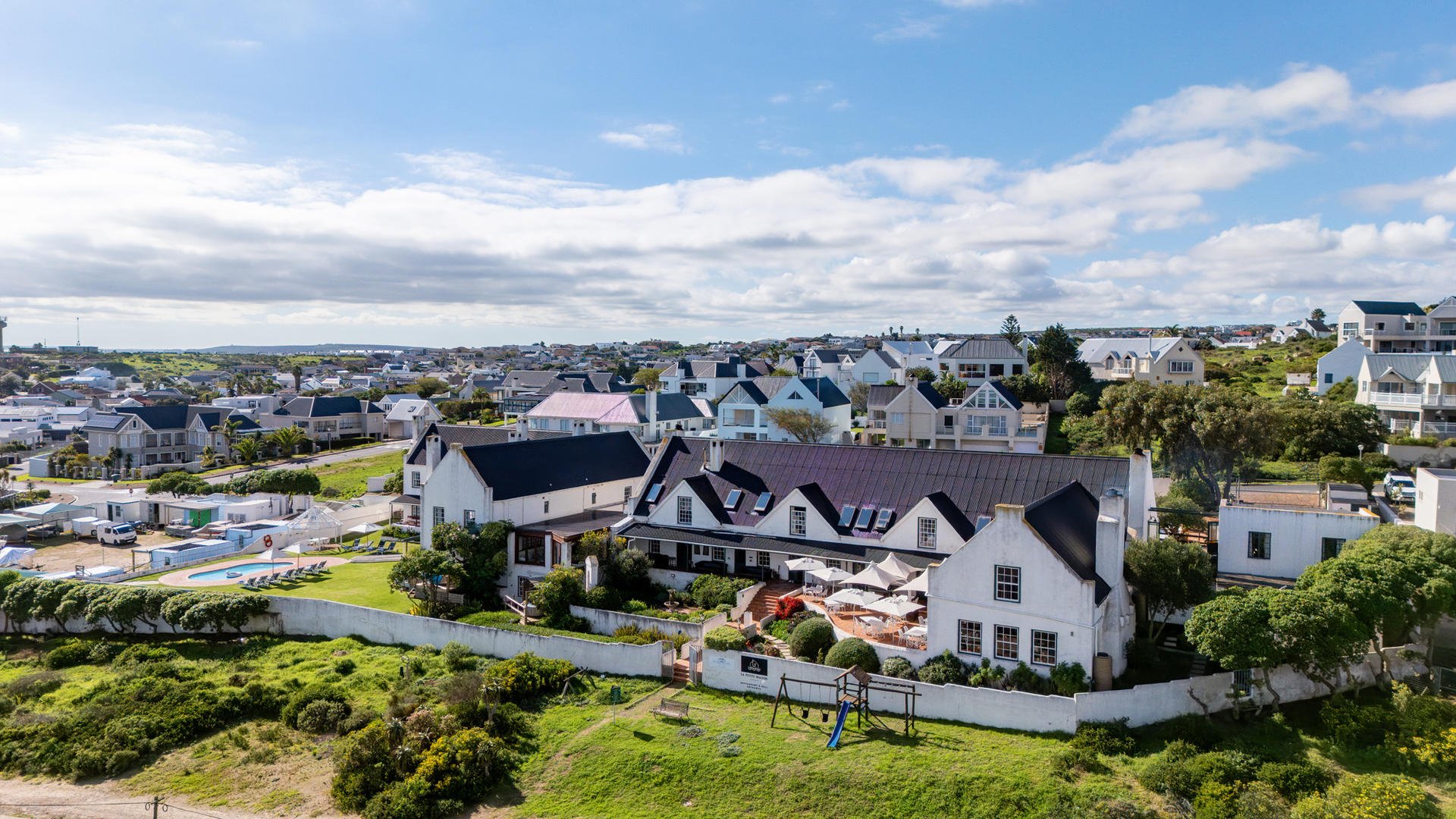
Langebaan | Oct 23–24 | 1 night
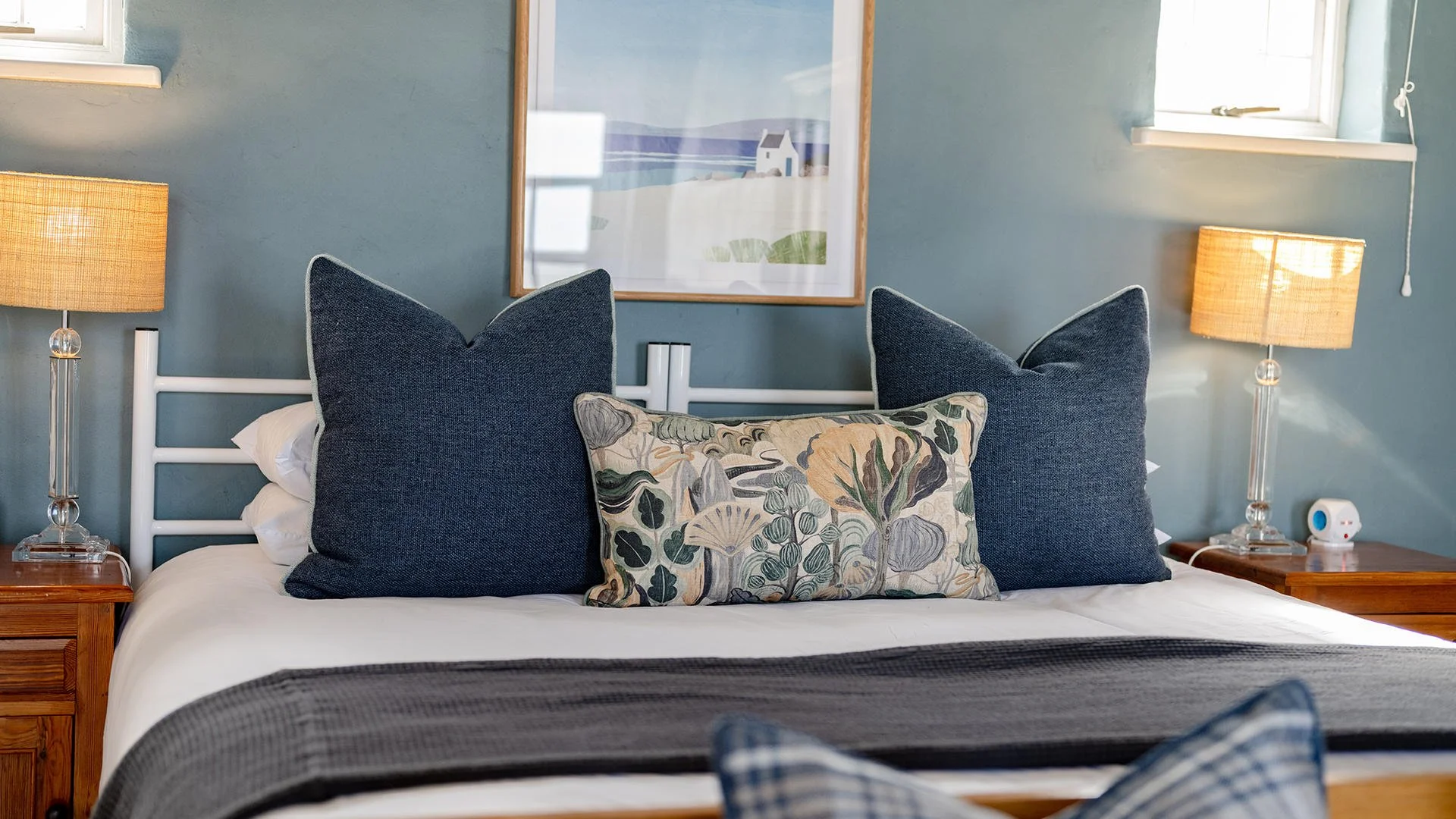
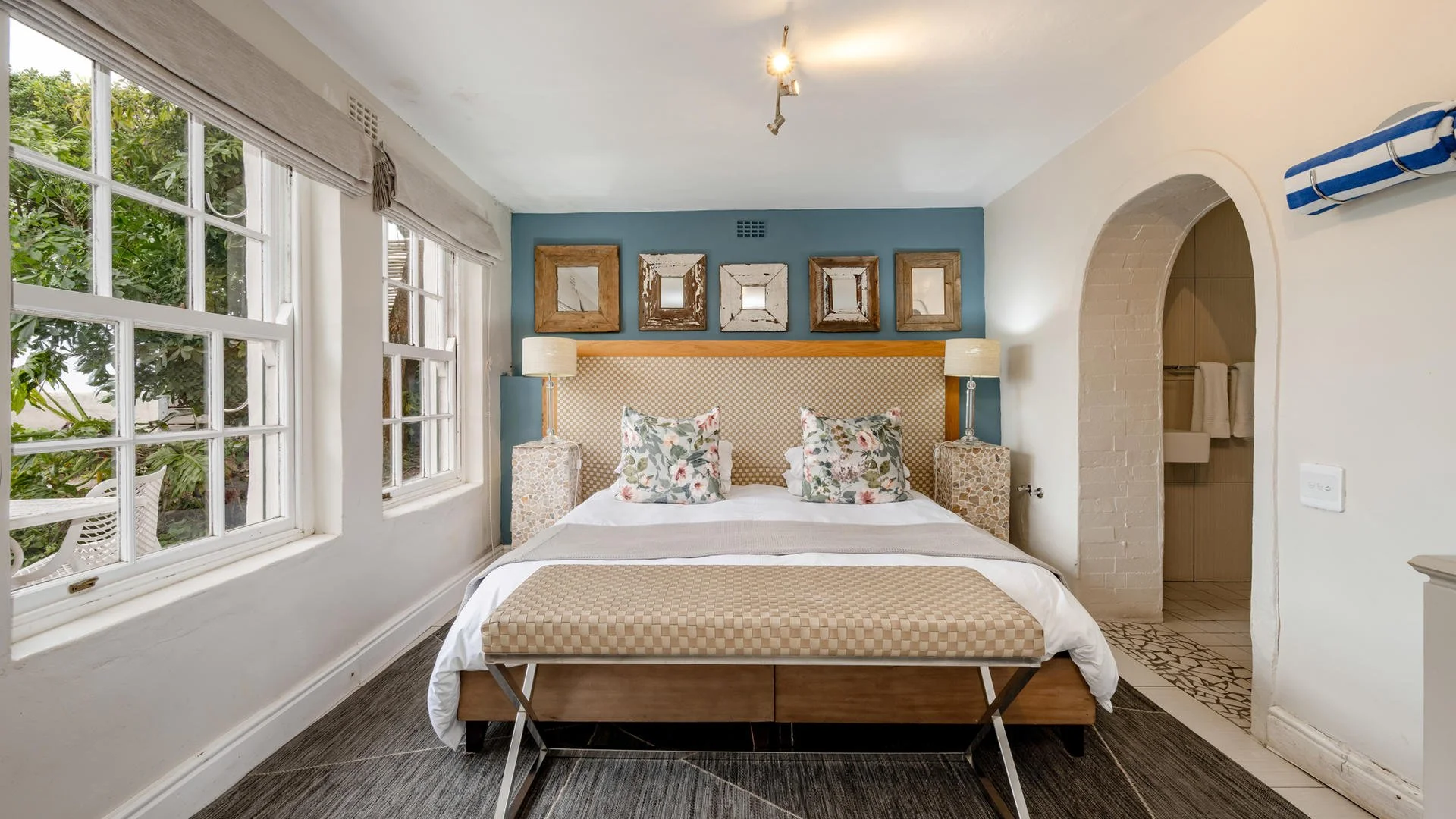
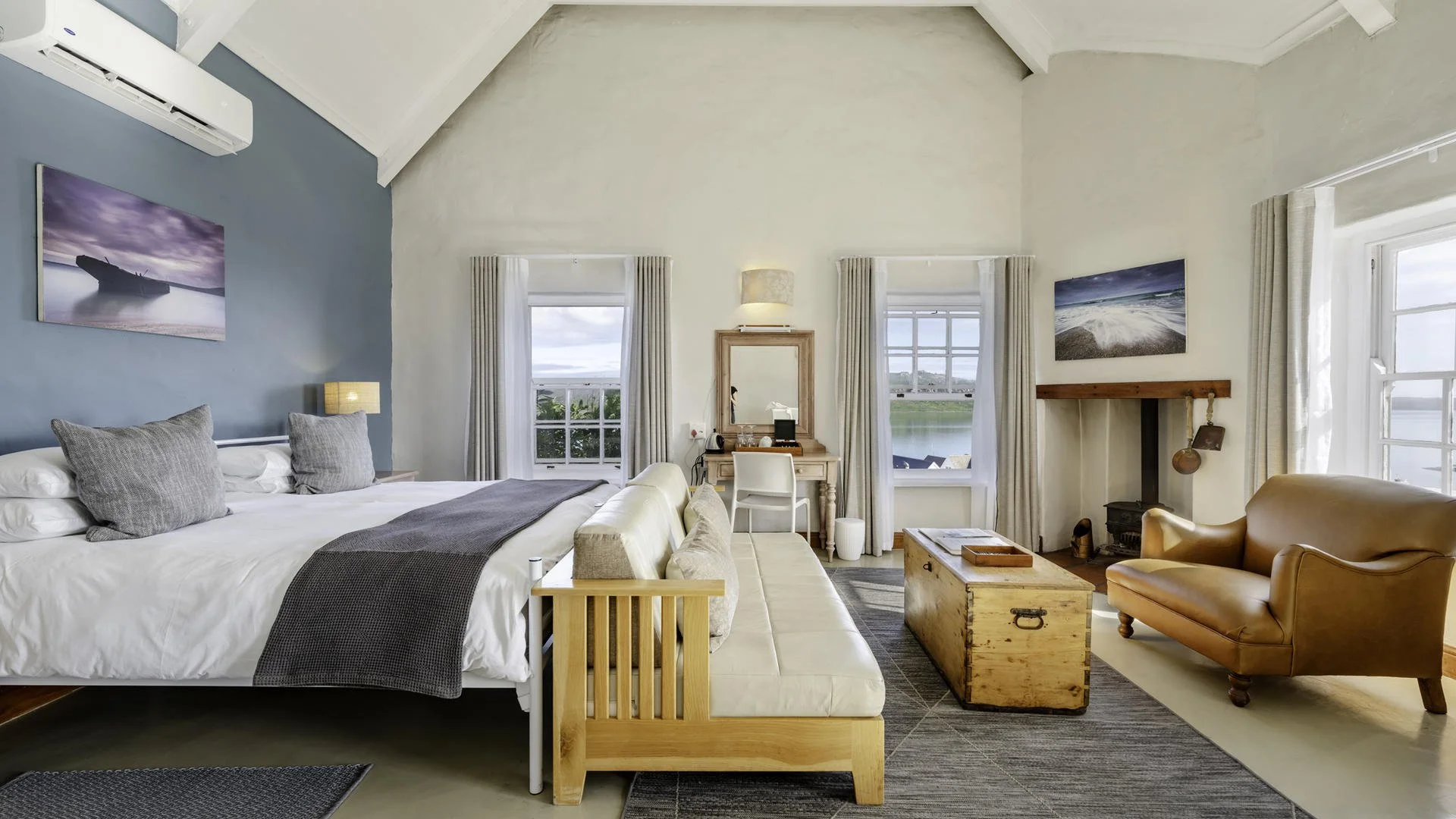
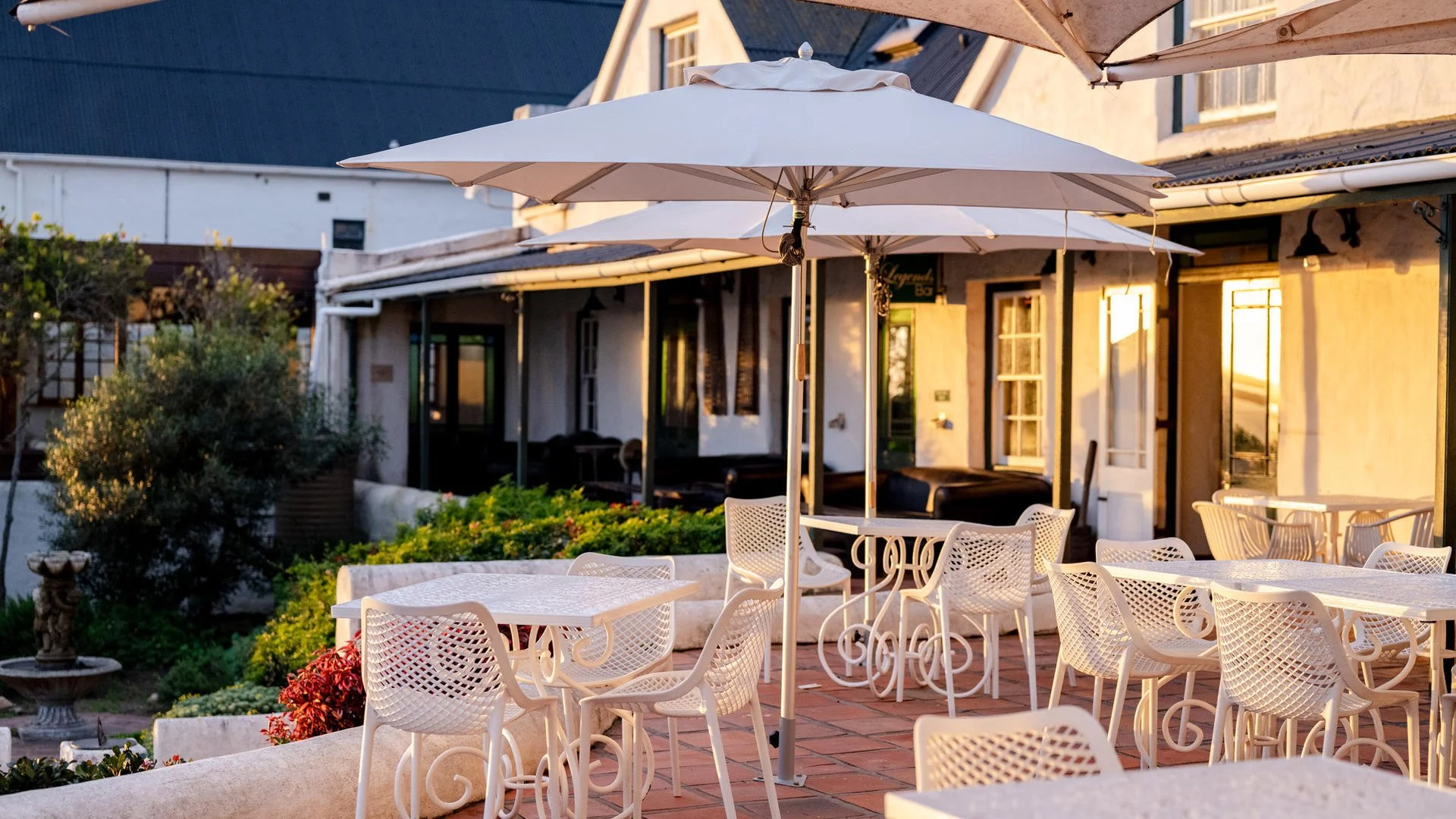
Satara Rest Camp
Kruger National Park (Central) | Oct 24–26 | 2 nights
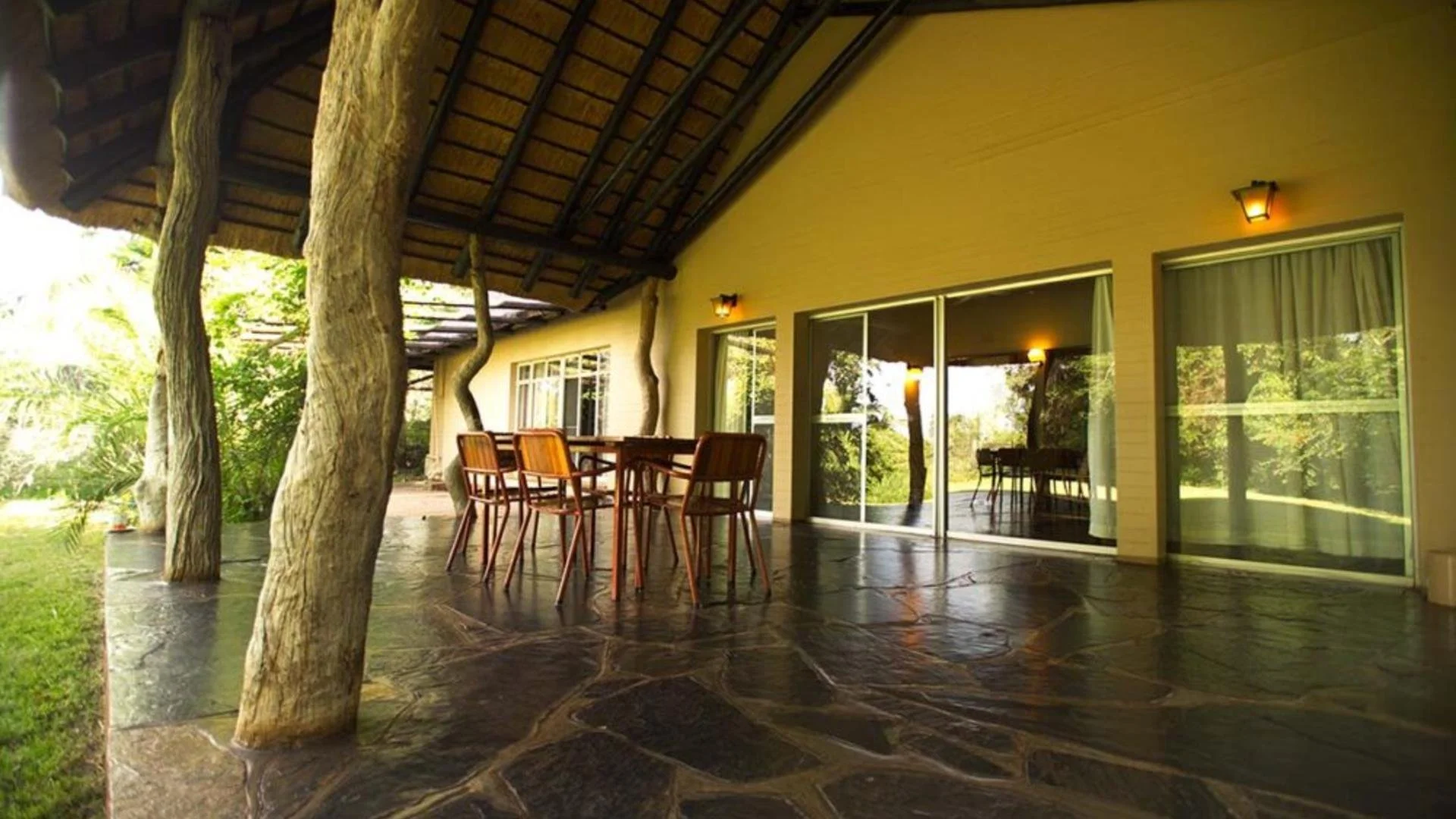
Lower Sabie Rest Camp
Kruger National Park (South) | Oct 26–28 | 2 nights
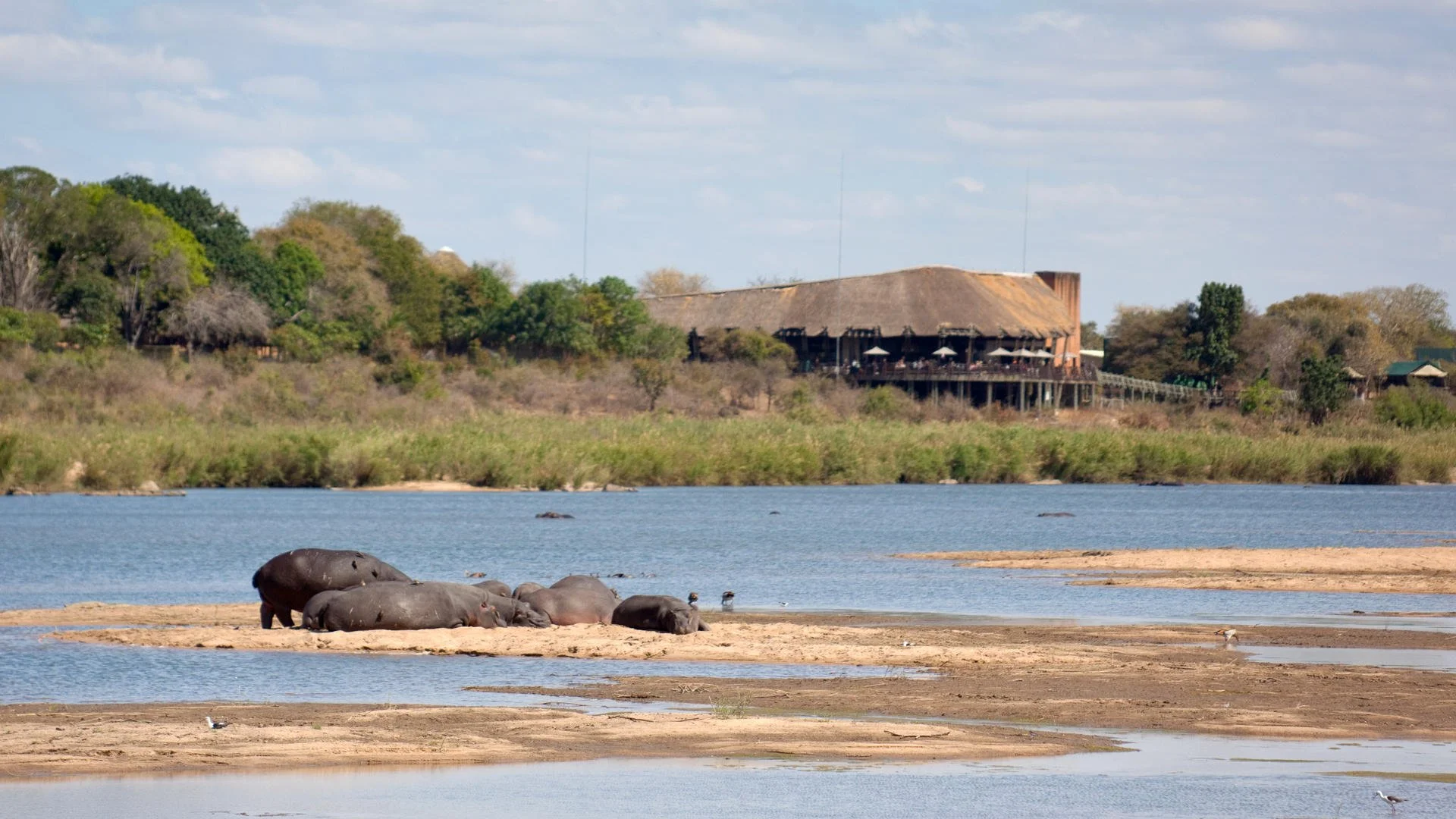
Skukuza Rest Camp
Kruger National Park (South) | Oct 28–29 | 1 night