
Birding Uganda: Extraordinary Birds. And So Much More.
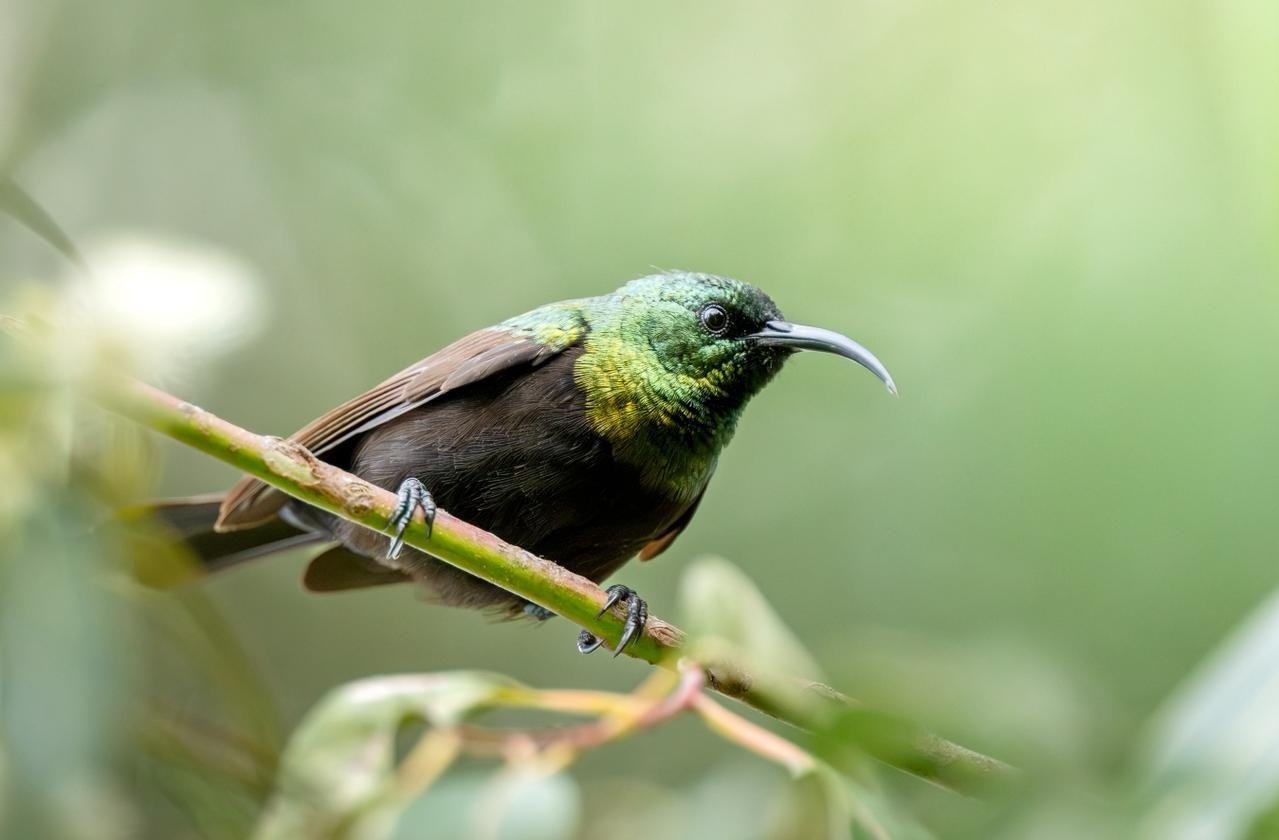
Africa has been part of my life for a long time. I lived in South Africa for more than four years while my children were young, and much of our free time was spent exploring the continent, going on safari and looking for birds.
A Lilac-breasted Roller was the spark. Once you see one, you have no choice but to become a birder.
Now, I'm heading back to Africa for my inaugural trip to Uganda, a country I've wanted to explore for some time. The journey takes us through wetlands, savannah, waterways and forests, with some of Uganda's most sought-after birds along the way. But the birds are only part of the story. There will also be chimpanzees, mountain gorillas and plenty of classic African wildlife.
For anyone interested in birding Uganda, the appeal isn't simply the number of species. It's the variety of places in which you can encounter them.
Why Birding Uganda?
Uganda has more than 1,090 bird species recorded, and its position in East Africa brings together an unusual mix of habitats and birdlife. The country's network of Important Bird and Biodiversity Areas also reflects just how important these varied environments are for biodiversity.
What I find particularly exciting about Uganda birding is the variety packed into the country. One day, you could be searching a wetland for a species tucked away among the papyrus, and the next you could be walking a forest trail, listening for calls and wondering what might appear in the next few minutes. That change of habitat is a big part of what makes birding here so interesting.
Even as you move from one part of the country to another, the birdlife can change dramatically. Savannah brings a different set of species from wetlands, while forests open up an entirely different range of possibilities. The landscape changes, and so does what you are looking for.
That variety also means birding in Uganda is never entirely about birds alone. The same protected areas and natural habitats support chimpanzees, gorillas, elephants, lions, rhinos and plenty of other wildlife, creating opportunities for encounters that have nothing to do with the checklist.
The birds may be the starting point, but I have a feeling Uganda will give us plenty of reasons to look up from the field guide.
The Birds That Bring You to Uganda
Some species are worth building a trip around. Uganda has several, from unusual wetland birds to highly sought-after forest specialties.
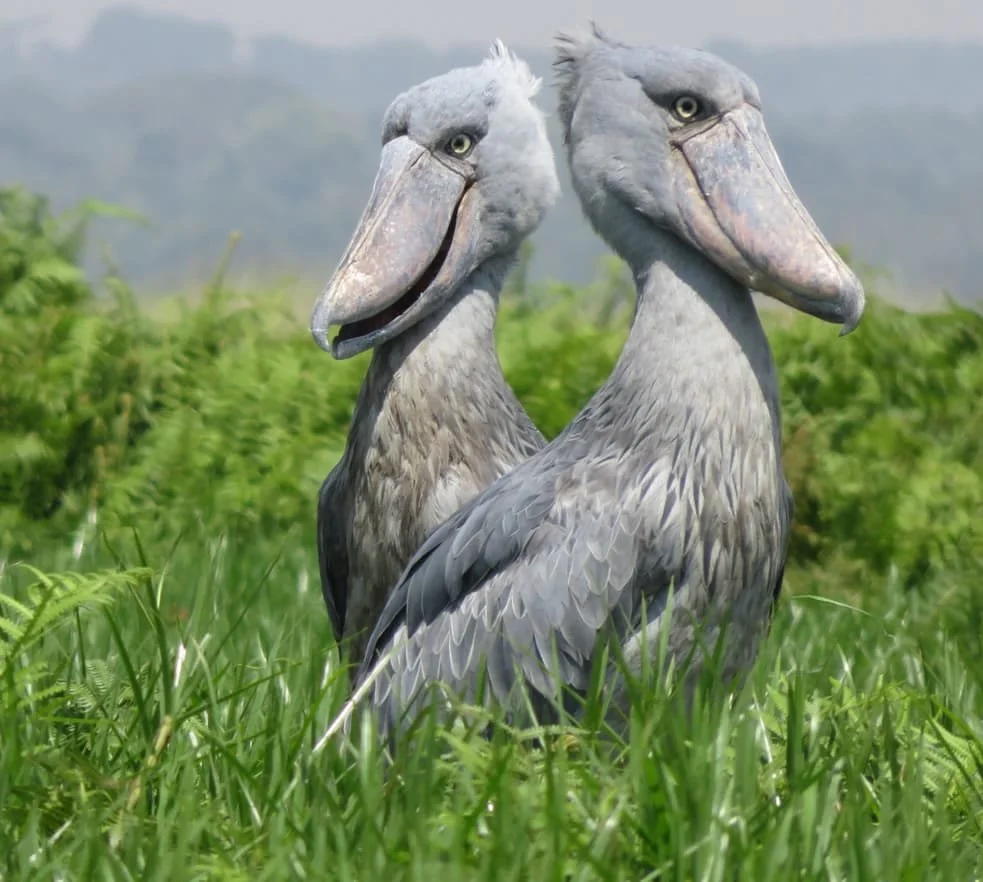
The Shoebill
The Shoebill is at the top of my list.
Its enormous bill, tall frame and almost prehistoric expression make it unlike almost any other bird. When I first encountered photographs of one, I wasn't entirely convinced it was real. It looked like something someone had created for a joke.
Finding one means getting into its habitat. At Mabamba Swamp, the search takes place from a canoe, moving through papyrus channels, often early in the morning. For anyone researching Shoebill Uganda, this is one of the country's signature encounters.
Forest Birds and Albertine Rift Specialties
The forests offer a completely different kind of birding.
At Kibale, the day can begin before sunrise in search of Green-breasted Pitta. Budongo's Royal Mile brings Guinea-Congo forest birding, while the Mubwindi Swamp area near Ruhija offers opportunities for Grauer's Broadbill and other Albertine Rift birds.
These environments require a different approach from the Shoebill's open wetland habitat. Here, we're working through dense vegetation, listening for calls and watching movement in the canopy and understory.
The variety of birds of Uganda is reflected not only in the number of species, but in the very different environments in which they live.
And Then There Are the Gorillas, Chimpanzees and Everything Else
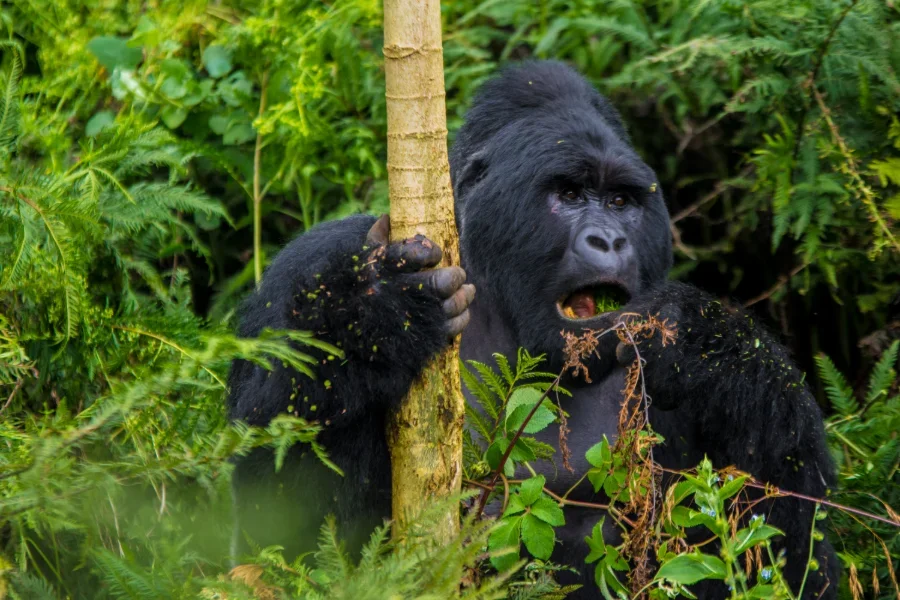
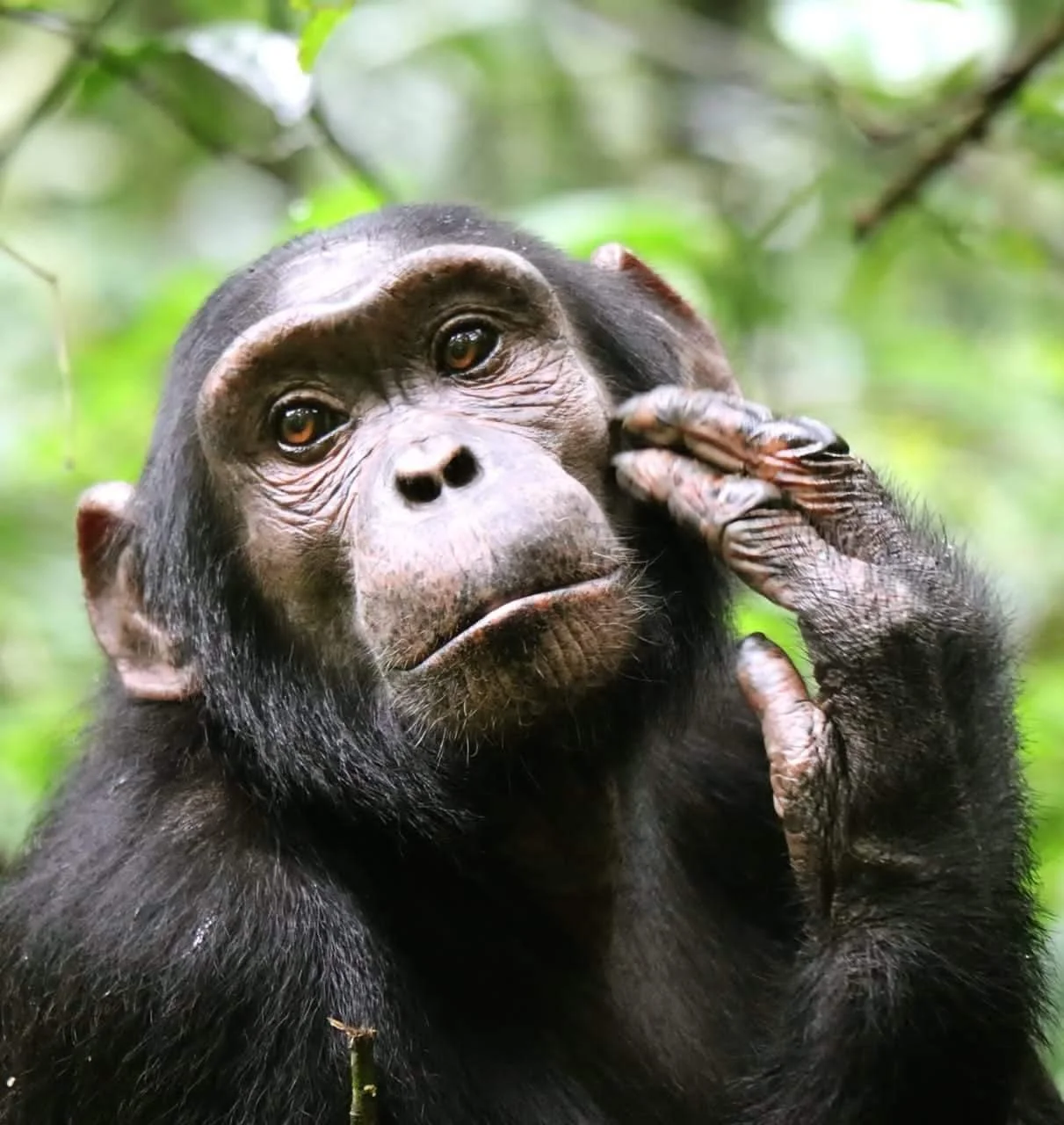
Uganda's wildlife extends well beyond its birds. The country's forests are home to both chimpanzees and mountain gorillas, while its savannahs, wetlands and waterways support a remarkable range of other wildlife.
Kibale National Park is one of the best places to experience chimpanzees in their natural forest environment. Further south, Bwindi Impenetrable National Park is home to mountain gorillas, with guided treks taking visitors into the forest to spend time with a gorilla family. The experience is very different from birding, but it takes place in the same kind of habitat where some of Uganda's most sought-after forest birds can be found.
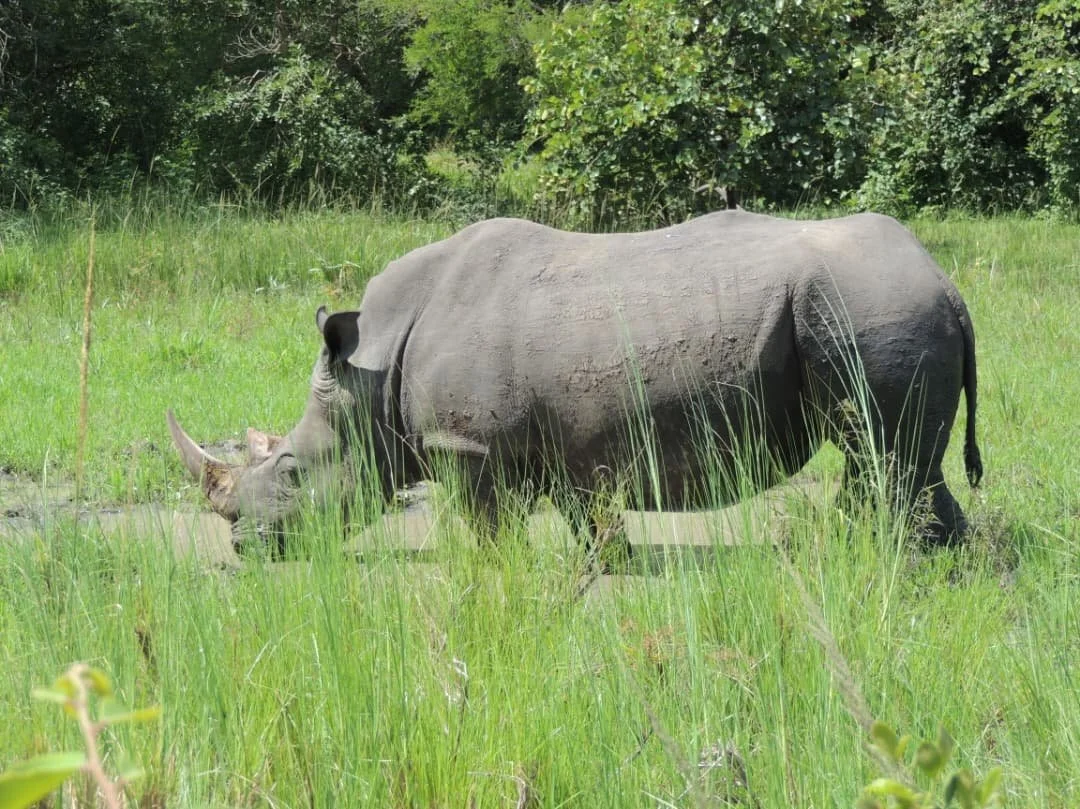
The country's national parks also offer opportunities to see more familiar African wildlife. In Murchison Falls National Park, elephants, lions, giraffes, buffalo, hippos and Nile crocodiles share the landscape with an impressive range of birds. In the Ishasha sector of Queen Elizabeth National Park, tree-climbing lions are one of the area's best-known attractions.
The Nile boat safari is perhaps the clearest example of how these experiences overlap. From the water, you can watch Red-throated Bee-eaters and other birds along the riverbanks while hippos and crocodiles surface nearby.
That combination is part of what makes Uganda such an interesting destination for anyone who wants to experience wildlife from more than one perspective.
Five Ecosystems, Eight Sites and 17 Days
Uganda is too varied to experience from a single base.
Over 17 days, the Uganda Birds, Gorillas & Chimpanzees journey covers eight sites and five ecosystems. Mabamba introduces the Shoebill and its papyrus habitat. Budongo brings the Royal Mile and Guinea-Congo forest. Murchison Falls shifts the landscape again, combining savannah birding with a Nile boat safari.
Further south, Semuliki introduces Uganda's Congo lowland forest, while Kibale, Bwindi and Ruhija bring the journey into increasingly forested environments, with chimpanzees, gorillas and Albertine Rift specialties becoming part of the experience.
I've deliberately made the itinerary broad. Rather than concentrating solely on maximizing a species list, I wanted the landscape and the experience to change throughout the journey. One habitat gives way to another, and with that comes a completely different set of birds, sounds and possibilities.
The local guide will be an important part of that experience. We'll be accompanied by one of the best birders in Uganda, bringing deep knowledge of the country's birds, habitats and birding locations. Having someone who knows where to look, what to listen for and when to wait can make a huge difference, particularly in Uganda's forests where some of the most exciting birds are not exactly going to make themselves easy to find.
Accommodation changes with the landscape, too. I’ve selected lodges for their birding access, comfort and commitment to sustainable tourism, with private rooms, en-suite bathrooms, hot water and electricity. At more remote properties, power may come from solar systems or generators, and Wi-Fi can be limited. On-site dining and communal spaces provide comfortable places to relax between days in the field.
This isn't a trip designed only for dedicated listers. It's for birders and nature lovers who want to experience Uganda as a whole, while still having plenty of opportunities to get excited about the birds.
There will be plenty of time to look through binoculars, but there will also be moments when the binoculars come down. A lion in a tree, a troop of chimpanzees moving through the forest or a landscape you've never seen before can be just as memorable as another species added to the list.
Food, Culture and the Experience Between Birding
A trip through Uganda isn't only about what you see in the field. It is also about the people, food and communities you encounter as you move between forests, wetlands and national parks.
The country is home to more than 60 ethnic groups, with distinct languages, traditions and ways of life found across its different regions. That diversity becomes more apparent as you travel through the country, with different communities speaking their own languages alongside Uganda’s official languages, English and Swahili. Around Semuliki National Park, for example, four distinct communities live near the park: the Bwamba, Bakonjo, Batuku and Batwa. Their livelihoods range from farming on the slopes of the Rwenzori Mountains to cattle keeping on the surrounding plains, while the Batwa have historical ties to the Ituri Forest.
Food is another way to experience that sense of place. Traditional Ugandan cuisine includes staples such as matoke, green bananas that are commonly cooked and mashed, along with beans, groundnuts, cassava, sweet potatoes and rice. Depending on the region and setting, meals can also include fresh vegetables, fish and locally sourced meat.
There are also opportunities to experience culture more directly. Around Uganda's national parks, community tourism can include traditional music, dance, crafts and other forms of local expression. These experiences offer a perspective on Uganda that you won't get from a bird list or a game drive alone.
For me, that is an important part of traveling for birds. The birds get us there, but the people, food, landscapes and traditions are what help turn a birding trip into a journey through a country.
What Is It Actually Like to Travel Through Uganda?
There is a practical side to birdwatching Uganda that I think is worth understanding before you go. Distances between destinations can be considerable, mornings often begin early, and some of the best birding areas are reached by slower roads. The gorilla trek is also a physically active experience, with two to six hours of walking possible depending on where the gorilla family is located.
The climate varies by region and elevation, and rain is possible throughout the year, so I’ll be packing lightweight rain gear. Uganda’s currency is the Ugandan shilling, although US dollars and credit cards are commonly accepted within the tourism industry. I also recommend carrying some cash, particularly when travelling outside larger towns and cities, where access to ATMs and card payments can be more limited.
A few other practical details are worth keeping in mind. Uganda uses Type G electrical outlets, so if you’re travelling from a country with a different plug system, you’ll need an adapter. Visa requirements vary depending on nationality, so I recommend checking Uganda’s official immigration guidance before departure and making sure all required documents are in order.
And then there is the flexibility that comes with travelling somewhere where nature is very much part of the schedule. Wildlife doesn’t follow an itinerary, weather can change the pace of a day, and some of the most memorable moments may be the ones that were never planned.
As I like to say, “You’ll have to ‘go with the flow’ because sometimes Africa happens.”
Ready to Go Birding in Uganda?
I'm excited to finally experience Uganda firsthand and to share the journey with a small group of birders and nature lovers.
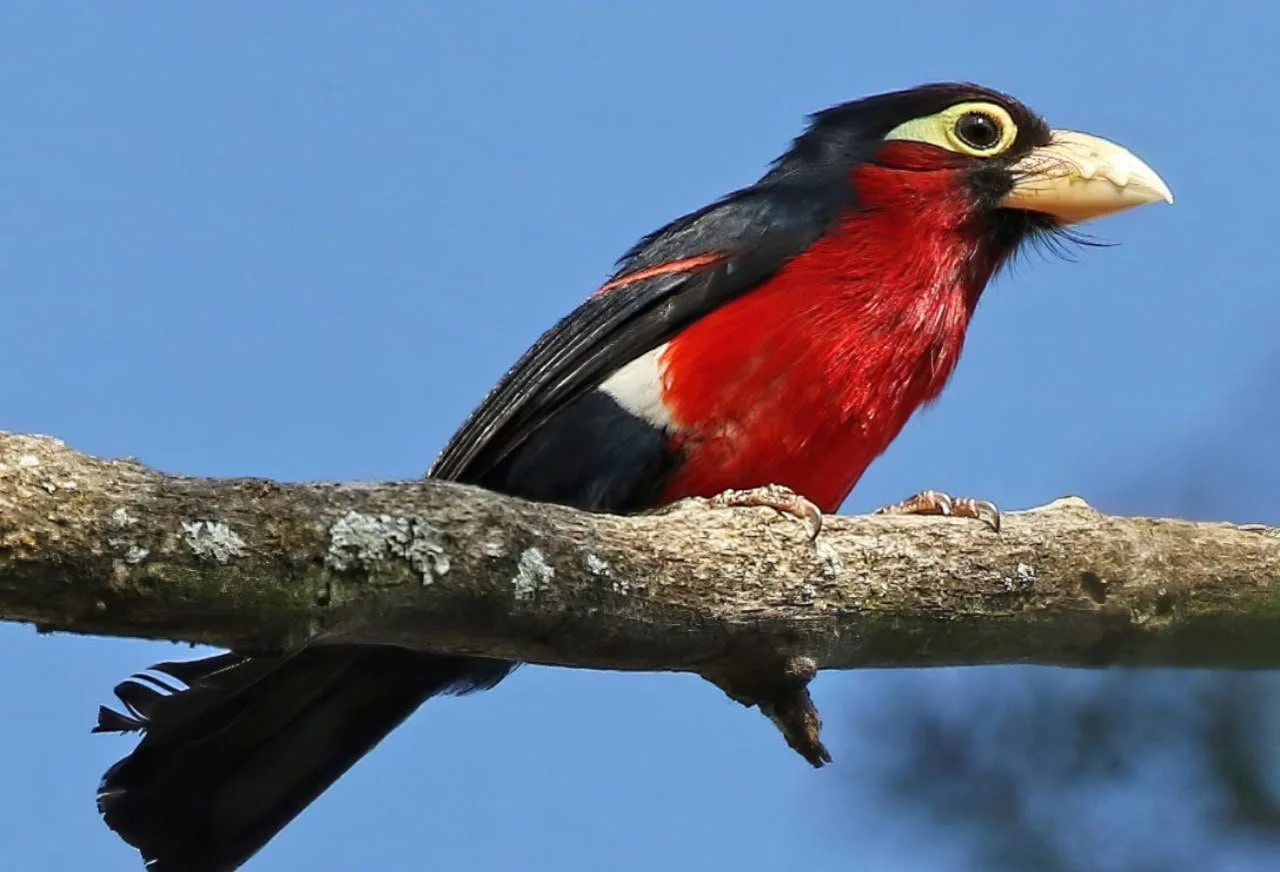
Over 17 days, we'll move through five ecosystems and eight sites, looking for Shoebills, Green-breasted Pittas, Grauer's Broadbills and other sought-after species, while also experiencing chimpanzees, mountain gorillas and Uganda's wider wildlife.
The birds are extraordinary. But if this journey is anything like my other experiences in Africa, they won't be the only things we remember.